The World's Most Famous Mountains to Climb: 14 Iconic Peaks, Heights and How Hard They Are
By Blake Penson · October 4, 2024
Category: destination-guides
5 min read
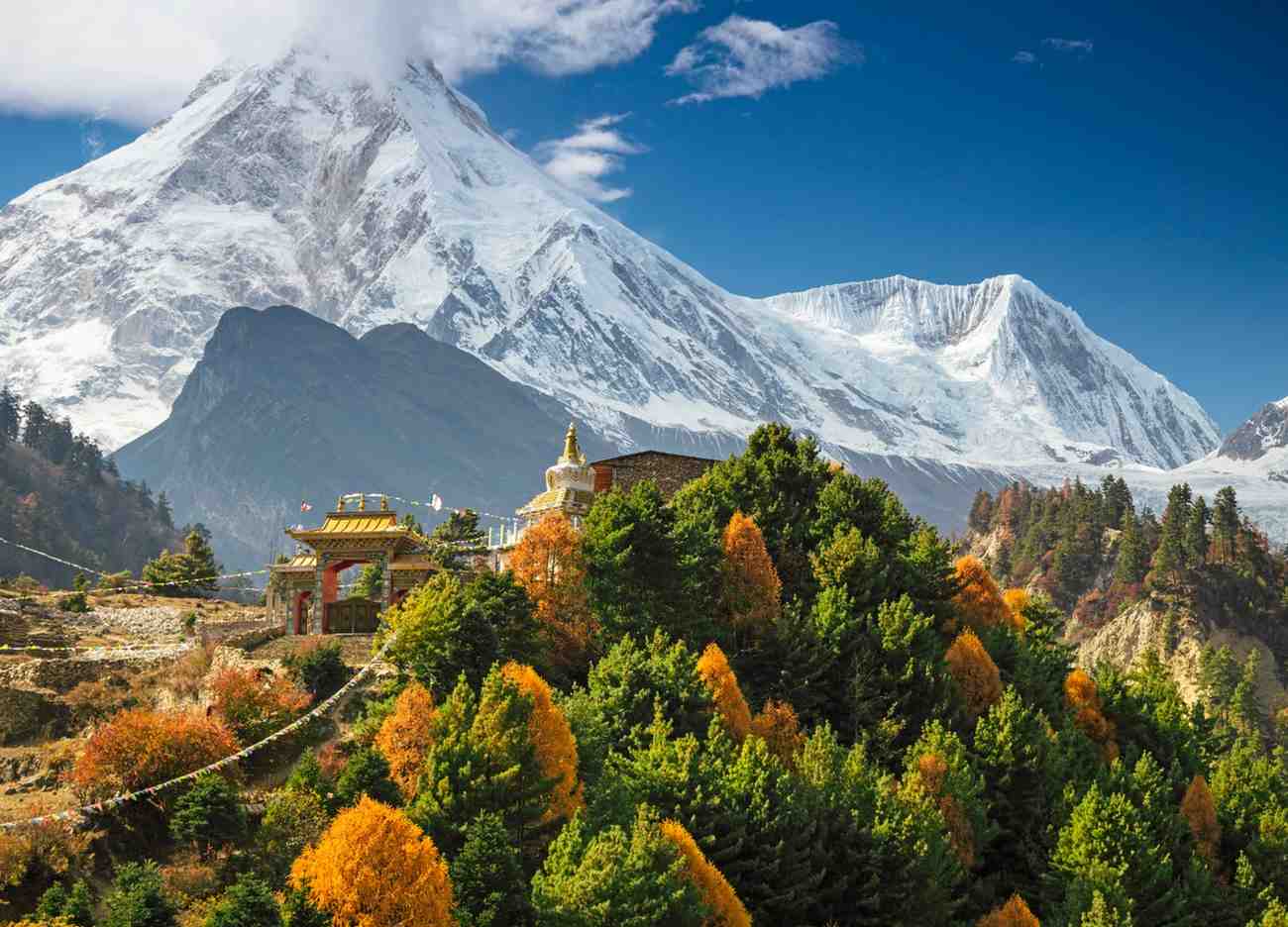
The most famous mountain in the world is Mount Everest (8,849 m / 29,032 ft), the highest point on Earth, first climbed by Edmund Hillary and Tenzing Norgay on 29 May 1953. Other world-famous mountains that climbers dream of include K2 (8,611 m), Kilimanjaro (5,895 m), the Matterhorn (4,478 m), Mont Blanc (4,806 m), Aconcagua (6,961 m), Denali (6,190 m), Mount Elbrus (5,642 m), Mount Fuji (3,776 m), Ama Dablam (6,812 m), the Eiger (3,967 m), Vinson (4,892 m) and Mount Rainier (4,392 m). Some, like Kilimanjaro and Fuji, are long walks that fit and determined beginners can complete. Others, like the Matterhorn, Ama Dablam and the Eiger, demand technical skills, and Everest and K2 require years of high-altitude experience. This guide ranks the world's most iconic mountains, explains what makes each one famous, and sets out how hard each is, when to go and who it suits.
| Mountain | Height | Country / region | Famous for | Difficulty |
|---|---|---|---|---|
| Everest | 8,849 m (29,032 ft) | Nepal / China | Highest on Earth | Very high altitude, expedition |
| K2 | 8,611 m (28,251 ft) | Pakistan / China | "Savage mountain"; second-highest | Extreme |
| Kilimanjaro | 5,895 m (19,341 ft) | Tanzania | Highest in Africa; tallest free-standing mountain | Non-technical trek |
| Matterhorn | 4,478 m (14,692 ft) | Switzerland / Italy | The classic pyramid | Technical rock and ice |
| Mont Blanc | 4,806 m (15,766 ft) | France / Italy | Highest in the Alps; birthplace of alpinism | Glacier climb |
| Aconcagua | 6,961 m (22,838 ft) | Argentina | Highest outside Asia | Non-technical, high altitude |
| Denali | 6,190 m (20,310 ft) | USA (Alaska) | Highest in North America | Cold, glaciated expedition |
| Elbrus | 5,642 m (18,510 ft) | Russia | Highest in Europe | Glacier climb |
| Mount Fuji | 3,776 m (12,388 ft) | Japan | Sacred volcano | Summer hike |
| Ama Dablam | 6,812 m (22,349 ft) | Nepal | "Matterhorn of the Himalaya" | Technical expedition |
| Eiger | 3,967 m (13,015 ft) | Switzerland | The North Face | Technical; north face extreme |
| Vinson | 4,892 m (16,050 ft) | Antarctica | Highest in Antarctica | Remote, cold expedition |
| Mount Rainier | 4,392 m (14,410 ft) | USA (Washington) | Most glaciated peak in the lower 48 | Glacier climb |
| Cotopaxi | 5,897 m (19,347 ft) | Ecuador | Perfect volcanic cone | Glacier climb |
What makes a mountain iconic?
An iconic mountain usually combines several of these: height (the highest on a continent or in the world), a striking shape that people recognise instantly, a famous history of first ascents and tragedies, cultural or spiritual significance, and a place in popular culture through books, films and photographs. Many of the mountains on this list are also among the most popular mountains to climb, because they offer a realistic goal for people with the right preparation.
1. Mount Everest (8,849 m), Nepal and China
Why it is iconic: Everest is the highest mountain on Earth, measured at 8,848.86 m in a joint Nepal–China survey announced in 2020. Its first ascent by New Zealand's Edmund Hillary and Nepal's Tenzing Norgay on 29 May 1953 is one of the most famous moments in exploration history.
The climb: Most climbers use the South Col route from Nepal, through the Khumbu Icefall, the Western Cwm and the Lhotse Face to the South Col and the summit ridge. The North Ridge from Tibet is the main alternative. A standard expedition takes about two months; see how long it takes to climb Everest.
The numbers: By the end of 2025 Everest had seen 13,737 summits and 339 deaths, according to the Himalayan Database. In spring 2026, Nepal recorded a record 1,008 summits from its side.
Who it suits: experienced high-altitude climbers. Most operators expect previous 7,000- or 8,000-metre summits. Read what to climb before Everest and how much it costs to climb Mount Everest.
Season: April–May (spring); a smaller autumn season.
2. K2 (8,611 m), Pakistan and China
Why it is iconic: The world's second-highest mountain is widely considered the hardest of the 8,000ers. Its perfect pyramid above the Godwin-Austen Glacier, and its reputation as "the savage mountain", make it a legend among climbers.
The climb: Most climbers use the Abruzzi Spur, passing House's Chimney, the Black Pyramid and the infamous Bottleneck at about 8,200 m. First climbed on 31 July 1954 by Italians Achille Compagnoni and Lino Lacedelli; first winter ascent 16 January 2021 by ten Nepali climbers (see K2 winter 2021).
The numbers: 964 summits and 92 deaths to the end of 2025, roughly one death for every ten summits.
Who it suits: only highly experienced 8,000-metre climbers. Trekkers can see it on the K2 Base Camp trek. Read more about Pakistan's mountains.
Season: Late June to early August.
3. Kilimanjaro (5,895 m), Tanzania
Why it is iconic: Africa's highest mountain rises alone above the plains of East Africa, its glaciers visible from far away. It is often called the world's highest free-standing mountain and is one of the Seven Summits. Hans Meyer and Ludwig Purtscheller made the first recorded ascent in 1889.
The climb: A non-technical trek on routes such as Machame, Lemosho, Marangu, Rongai and the Northern Circuit. Climbs usually take six to nine days. The summit night to Uhuru Peak is long and cold. Altitude is the main challenge, so longer routes give better acclimatisation. Compare routes in our guide to Kilimanjaro's trekking routes and the best Kilimanjaro route.
Costs: Kilimanjaro National Park charges non-resident climbers a conservation fee of US$70 per day, a camping fee of US$50 per night and a rescue fee of US$20 per trip, plus VAT. See how much Kilimanjaro costs.
Who it suits: fit beginners with no technical experience, willing to train and acclimatise.
Season: Year-round; best January–March and June–October.
4. The Matterhorn (4,478 m), Switzerland and Italy
Why it is iconic: The Matterhorn's near-perfect pyramid above Zermatt is probably the most recognisable mountain shape in the world. Its first ascent on 14 July 1865 by Edward Whymper's party ended in tragedy when four of the seven climbers fell to their deaths on the descent.
The climb: The standard Hörnli Ridge from Switzerland is a long, exposed rock climb with fixed ropes on the steepest sections. Most guided climbers go one-to-one with a mountain guide, overnight at the Hörnli Hut, and need to be fast and confident on rock in crampons.
Who it suits: climbers with solid scrambling, rock and crampon skills and good fitness. Guides often require a training climb first.
Season: July to September.
5. Mont Blanc (4,806 m), France and Italy
Why it is iconic: The highest mountain in the Alps and western Europe, and the birthplace of mountaineering. Jacques Balmat and Michel-Gabriel Paccard made the first ascent on 8 August 1786. The summit is a snow dome whose height changes with the snowpack: surveyors measured 4,805.59 m in September 2023.
The climb: The popular Goûter route crosses the rockfall-prone Grand Couloir, climbs to the Goûter Hut and follows the Bosses Ridge to the summit. The Trois Monts and Italian routes are alternatives. See our comparison of Mont Blanc's climbing routes.
Who it suits: climbers with basic glacier and crampon skills and good fitness, ideally after an acclimatisation climb.
Season: June to September.
6. Aconcagua (6,961 m), Argentina
Why it is iconic: The highest mountain outside Asia and the highest in the Americas and the Southern Hemisphere. Swiss guide Matthias Zurbriggen made the first ascent in 1897.
The climb: The Normal route from Plaza de Mulas and the Polish Glacier Traverse from Plaza Argentina are both non-technical but very high. Expeditions take about three weeks. Strong winds (the "viento blanco") and cold are the main hazards. For the 2025–26 high season, Mendoza province charged foreign climbers on the Normal route US$1,170 for an ascent permit through an authorised service provider. See how much Aconcagua costs and our guide to Aconcagua.
Who it suits: climbers with prior high-altitude experience, such as Kilimanjaro or a 6,000-metre peak.
Season: December to February.
7. Denali (6,190 m), Alaska, USA
Why it is iconic: North America's highest mountain has one of the largest base-to-summit rises of any mountain on land, and its high latitude makes it brutally cold. Hudson Stuck's party made the first ascent in 1913; Walter Harper, an Alaska Native, was the first to stand on the summit.
The climb: The West Buttress route takes about three weeks. Climbers carry heavy packs and pull sleds between camps, without porters, and must be self-sufficient on glaciers in extreme cold. See our Denali equipment list.
Who it suits: climbers with glacier, crevasse rescue and cold-weather camping experience.
Season: May to July.
8. Mount Elbrus (5,642 m), Russia
Why it is iconic: The highest mountain in Europe and one of the Seven Summits, a huge dormant volcano with twin summits in the Caucasus.
The climb: The South route uses cable cars and snowcats to reach high camps, followed by a long snow climb. The North route is more remote and demanding. Weather can turn severe quickly.
Who it suits: climbers with basic crampon and ice-axe skills. Check your government's travel advice before planning a trip.
Season: June to September.
9. Mount Fuji (3,776 m), Japan
Why it is iconic: Japan's highest mountain is a symmetrical volcano and a sacred site, depicted in countless works of art. It is a UNESCO World Heritage cultural site.
The climb: A non-technical hike on four main trails, with mountain huts along the way. Many hikers climb overnight to see sunrise from the summit. On the Yoshida Trail, a ¥4,000 climbing fee and advance reservation were required in 2025, with a daily cap on climbers.
Who it suits: anyone with good fitness. Altitude sickness is still possible.
Season: Early July to early/mid September.
10. Ama Dablam (6,812 m), Nepal
Why it is iconic: With its long ridges and hanging glacier, Ama Dablam towers over the Everest Base Camp trek and is often called the most beautiful mountain in the Himalaya. It was first climbed in March 1961.
The climb: The South-West Ridge is a technical climb on rock, snow and ice, with fixed ropes and steep, exposed sections. Expeditions take about three to four weeks. Read about Ama Dablam's dangers.
Who it suits: climbers with technical alpine experience and some altitude.
Season: October–November (main), and spring.
11. The Eiger (3,967 m), Switzerland
Why it is iconic: The Eiger's North Face, the "Nordwand", is one of the most famous walls in mountaineering history. Anderl Heckmair, Ludwig Vörg, Heinrich Harrer and Fritz Kasparek made the first ascent in 1938, after several deadly attempts. Harrer's book The White Spider made it legendary.
The climb: The standard Mittellegi Ridge is a classic guided alpine climb. The North Face is an extreme undertaking for elite alpinists.
Who it suits: experienced alpine climbers (Mittellegi); elite alpinists (North Face).
Season: July to September.
12. Vinson (4,892 m), Antarctica
Why it is iconic: The highest mountain in Antarctica and one of the Seven Summits, in one of the most remote places on Earth. First climbed in December 1966 by an American expedition.
The climb: Not technically hard, but extremely cold and remote. Climbers fly from Punta Arenas in Chile to Union Glacier and then to Vinson Base Camp. Expeditions take about two to three weeks. See how much Vinson costs.
Who it suits: experienced, well-equipped climbers with cold-weather expedition skills.
Season: December to January.
13. Mount Rainier (4,392 m), Washington, USA
Why it is iconic: Rainier is the most glaciated peak in the contiguous United States and dominates the Seattle skyline. It is a classic training climb for Denali and the Himalaya.
The climb: The Disappointment Cleaver and Emmons routes are the most popular. See our comparison of Mount Rainier climbing routes.
Who it suits: fit beginners with a guide and basic glacier training.
Season: May to September.
14. Cotopaxi (5,897 m), Ecuador
Why it is iconic: One of the world's highest active volcanoes, with an almost perfect snow cone. It is a popular high-altitude training peak.
The climb: A non-technical glacier climb from the Jose Ribas refuge, usually starting around midnight. Access depends on volcanic activity.
Who it suits: climbers with basic glacier skills preparing for bigger peaks. See volcano climbing in Ecuador.
Season: Year-round; best December–January and June–September.
Which iconic mountain should you climb first?
| Your experience | Iconic mountains to consider |
|---|---|
| Fit hiker, no technical skills | Mount Fuji, Kilimanjaro, Everest Base Camp trek |
| Basic crampon and axe skills | Mont Blanc, Elbrus, Mount Rainier, Cotopaxi |
| Solid alpine rock and ice | Matterhorn, Eiger (Mittellegi) |
| High-altitude experience | Aconcagua, Ama Dablam |
| Expedition and cold-weather skills | Denali, Vinson |
| Multiple 7,000–8,000 m peaks | Everest, then K2 for the very few |
A common progression is Kilimanjaro or Fuji, then Mont Blanc or Elbrus, then Aconcagua and Denali, before an 8,000er. Many people combine these into the Seven Summits; see climbing the Seven Summits.
Most famous mountains by continent
| Continent | Highest mountain | Other iconic peaks |
|---|---|---|
| Asia | Everest (8,849 m) | K2, Ama Dablam, Fuji |
| South America | Aconcagua (6,961 m) | Cotopaxi, Alpamayo |
| North America | Denali (6,190 m) | Rainier |
| Africa | Kilimanjaro (5,895 m) | Mount Kenya, Toubkal |
| Europe | Elbrus (5,642 m) | Mont Blanc, Matterhorn, Eiger |
| Antarctica | Vinson (4,892 m) | — |
| Oceania | Carstensz Pyramid (Puncak Jaya) or Kosciuszko, depending on definition | — |
Iconic mountains: first ascents
| Mountain | First ascent | Climbers |
|---|---|---|
| Mont Blanc | 8 August 1786 | Jacques Balmat, Michel-Gabriel Paccard |
| Matterhorn | 14 July 1865 | Edward Whymper and party |
| Kilimanjaro | 1889 | Hans Meyer, Ludwig Purtscheller |
| Aconcagua | 1897 | Matthias Zurbriggen |
| Denali | 1913 | Hudson Stuck party (Walter Harper first on top) |
| Eiger North Face | 1938 | Heckmair, Vörg, Harrer, Kasparek |
| Everest | 29 May 1953 | Edmund Hillary, Tenzing Norgay |
| K2 | 31 July 1954 | Achille Compagnoni, Lino Lacedelli |
| Ama Dablam | March 1961 | Mike Gill, Barry Bishop, Mike Ward, Wally Romanes |
| Vinson | December 1966 | American Antarctic Mountaineering Expedition |
When to climb: an iconic-mountain calendar
| Month | Good options |
|---|---|
| January | Aconcagua, Kilimanjaro, Vinson, Cotopaxi |
| February | Aconcagua, Kilimanjaro |
| March | Kilimanjaro (shoulder) |
| April | Everest (expedition begins), Ama Dablam (spring) |
| May | Everest summits, Denali begins, Ama Dablam |
| June | Denali, Mont Blanc, Elbrus, Kilimanjaro, Rainier |
| July | Matterhorn, Mont Blanc, Eiger, Elbrus, Fuji, K2, Rainier, Kilimanjaro |
| August | Matterhorn, Mont Blanc, Eiger, Elbrus, Fuji, K2, Rainier, Kilimanjaro |
| September | Matterhorn, Mont Blanc, Elbrus, Rainier, Kilimanjaro, Cotopaxi |
| October | Ama Dablam, Kilimanjaro |
| November | Ama Dablam |
| December | Aconcagua, Vinson, Kilimanjaro, Cotopaxi |
Iconic mountains in books and film
Part of what makes these mountains famous is the stories told about them:
- Everest: Jon Krakauer's Into Thin Air (1997), about the 1996 disaster, made Everest's dangers known to millions, and the film Everest (2015) retold the same season. Hillary and Tenzing's 1953 ascent was front-page news around the world on the morning of Queen Elizabeth II's coronation.
- The Eiger: Heinrich Harrer's The White Spider tells the history of the North Face, named after the snowfield high on the wall.
- K2: Books on the 1953 American attempt, the 1954 Italian first ascent and the 2008 disaster have kept K2 in the public imagination.
- The Matterhorn: Whymper's Scrambles Amongst the Alps described the 1865 first ascent and its tragic descent.
- Kilimanjaro: Ernest Hemingway's short story The Snows of Kilimanjaro (1936) made its glaciers famous in literature.
Climbing iconic mountains responsibly
Popularity brings pressure. Crowding on Everest, litter and human waste on high peaks, and erosion on trails are real problems. Climbers can help:
- Choose operators with strong environmental and staff-welfare practices. Fair pay, proper equipment and insurance for porters and high-altitude workers matter.
- Carry out what you carry in. Nepal now requires Everest climbers to bring waste down from the high camps, and many parks have similar rules.
- Use toilets or waste bags. Several mountains, including Denali and Everest, require climbers to carry out human waste from some camps.
- Stick to trails. Shortcuts cause erosion on popular routes such as Kilimanjaro and Fuji.
- Respect local culture. Many iconic mountains, from Fuji to the peaks of the Khumbu, are sacred to local people.
Read more about climbing Everest responsibly.
Famous mountains you cannot climb
Some of the world's most iconic peaks are off-limits:
- Machapuchare (Fishtail), Nepal. The sacred peak above the Annapurna Sanctuary is closed to climbing. Trekkers see it up close on the Annapurna Base Camp trek.
- Mount Kailash, Tibet. Sacred to Hindus, Buddhists, Jains and followers of Bön, it has no recorded ascent. Pilgrims walk around it instead.
- Uluru, Australia. Climbing has been banned since October 2019 out of respect for the Anangu traditional owners.
These are reminders that mountains mean more than summits to many people.
Iconic mountains you can see without climbing
Not everyone wants to stand on top. Some of the best ways to experience these mountains are on foot below them:
| Mountain | Trek or viewpoint |
|---|---|
| Everest | Everest Base Camp trek, Kala Patthar, Gokyo Ri |
| K2 | K2 Base Camp trek to Concordia |
| Matterhorn | Gornergrat railway, Hörnli Hut hike |
| Mont Blanc | Tour du Mont Blanc, Aiguille du Midi cable car |
| Ama Dablam | Everest Base Camp trek, Ama Dablam base camp |
| Eiger | Eiger Trail below the North Face |
| Annapurna | Annapurna Base Camp trek |
How to prepare for an iconic climb
- Train specifically. Hill walking with a pack, stair climbing, strength work and endurance training for 3–12 months depending on the objective.
- Learn the skills. Glacier travel, crampon and ice-axe technique, rope work and self-arrest for snow peaks.
- Build altitude experience. Climb progressively higher peaks.
- Choose the right operator. Look at verified reviews, guide ratios, safety record and acclimatisation plans.
- Get the gear right. Boots, layers, a good mountaineering pack and crampons.
- Plan for the season. Every mountain has a best window.
Choosing an operator for an iconic climb
Because these mountains are famous, many companies offer trips on them, and quality varies widely. Before booking, compare:
- Guide qualifications and ratios. IFMGA-certified guides on Alpine peaks; experienced high-altitude guides and enough staff per client on expeditions. See who IFMGA guides are.
- Acclimatisation plan. Longer itineraries are safer and usually more successful on high peaks.
- Safety equipment and rescue plans. Oxygen, communications, medical kits and evacuation insurance.
- What is included. Permits, park fees, hut nights, equipment and transfers vary a lot between packages.
- Verified reviews from past clients. They reveal how operators handle bad weather, illness and turnaround decisions.
Top-rated operators for iconic climbs on ExpedReview
These companies have the highest average ratings from verified ExpedReview client reviews on each mountain (minimum two reviews; data as of 22 October 2026).
| Mountain | Operator | ER average rating | Verified reviews |
|---|---|---|---|
| Everest (South Col) | Climbing The Seven Summits | 5.0 / 5 | 14 |
| Kilimanjaro | Altezza Travel | 5.0 / 5 | 14 |
| Aconcagua | Climbing The Seven Summits | 4.9 / 5 | 7 |
| Ama Dablam | Tim Mosedale | 5.0 / 5 | 16 |
| Denali | AAI (American Alpine Institute) | 5.0 / 5 | 3 |
| Mont Blanc | SummitGuides | 4.6 / 5 | 8 |
| Elbrus | 360 Expeditions | 4.9 / 5 | 5 |
| Vinson | Antarctic Logistics & Expeditions ALE | 4.9 / 5 | 4 |
| Mount Fuji | Feeding The Rat Expeditions | 5.0 / 5 | 3 |
The bottom line
The world's most iconic mountains range from summer hikes like Mount Fuji to the extreme challenge of K2. Kilimanjaro, Mont Blanc and Elbrus are realistic goals for fit beginners willing to learn; the Matterhorn and Ama Dablam reward technical skill; Aconcagua, Denali and Vinson test expedition craft; and Everest remains the ultimate high-altitude goal. Pick the one that matches your experience today, and let it lead you to the next.
Whichever you choose, give it the respect it deserves: train properly, learn the skills before you need them, pick an experienced operator, and remember that the summit is optional but getting home is not. The most iconic mountains will still be there next season if the weather or your body says no this time.
Frequently asked questions
What is the most famous mountain in the world?
Mount Everest (8,849 m), the highest mountain on Earth. The Matterhorn, Kilimanjaro and Mount Fuji are also among the most recognisable.
What are the most iconic mountains in the world?
Everest, K2, Kilimanjaro, the Matterhorn, Mont Blanc, Aconcagua, Denali, Elbrus, Mount Fuji, Ama Dablam, the Eiger, Vinson, Mount Rainier and Cotopaxi.
What are the most popular mountains to climb?
Kilimanjaro, Mount Fuji, Mont Blanc, Elbrus, Aconcagua, Mount Rainier and Everest attract large numbers of climbers each year. Fuji and Kilimanjaro are the most accessible.
What are the best mountains to climb in the world?
It depends on your experience. Kilimanjaro and Fuji suit beginners; Mont Blanc and Elbrus suit those with basic glacier skills; the Matterhorn and Ama Dablam suit technical climbers; Aconcagua and Denali suit those building expedition experience.
What are the most famous mountains to climb for beginners?
Mount Fuji, Kilimanjaro and, with a guide and training, Mount Rainier, Mont Blanc, Elbrus and Cotopaxi.
Which famous mountain is the hardest to climb?
K2 is generally considered the hardest and most dangerous of the world's famous peaks. The Eiger North Face and Annapurna I are also notorious.
What is the most famous hill in the world?
Many people would name a mountain such as Mount Fuji or Table Mountain in South Africa. Among climbers, the Matterhorn and Everest are the most recognised.
What is the most recognisable mountain in the world?
The Matterhorn's pyramid is often called the most recognisable mountain shape; Mount Fuji's cone is a close rival.
How tall is Mount Everest?
8,848.86 m (29,031.7 ft), according to the 2020 Nepal–China measurement, usually rounded to 8,849 m.
What is the highest mountain on each continent?
Everest (Asia), Aconcagua (South America), Denali (North America), Kilimanjaro (Africa), Elbrus (Europe), Vinson (Antarctica) and Carstensz Pyramid or Kosciuszko (Oceania). Together they form the Seven Summits.
Can a beginner climb Kilimanjaro?
Yes. Kilimanjaro is a non-technical trek, but altitude makes it serious. Choose a longer route, train for several months and go with a reputable operator.
How hard is it to climb the Matterhorn?
It is a long, exposed rock and ice climb that demands good fitness, scrambling ability and crampon skills. Most climbers go with a guide and do training climbs first.
Can you climb Mont Blanc without experience?
You need basic glacier and crampon skills and good fitness. Many people take a mountaineering course and an acclimatisation climb with a guide first.
How much does it cost to climb Everest?
Prices vary widely. Full-service Western-led expeditions cost around US$80,000, including the US$15,000 Nepal permit. See how much it costs to climb Mount Everest.
What is the easiest of the famous mountains?
Mount Fuji, which is a summer hike on established trails with huts. Kilimanjaro is also non-technical but much higher.
Which famous mountain has the best views?
Climbers often name Ama Dablam, the Matterhorn and Kilimanjaro. From Everest's summit, you can see Lhotse, Makalu and Cho Oyu.
What mountains do people climb most?
Mount Fuji is climbed by huge numbers of people each summer; Kilimanjaro and the classic Alpine peaks also see many ascents. Among high peaks, Everest's spring season set a record of 1,008 summits from Nepal in 2026.
What is the most dangerous famous mountain?
K2 and Annapurna I have the highest death-to-summit ratios among the 8,000ers. Read Annapurna I, the most dangerous mountain in the world.
Are there famous mountains you are not allowed to climb?
Yes. Machapuchare in Nepal and Mount Kailash in Tibet are closed for religious reasons, and climbing Uluru in Australia has been banned since 2019.
How long does it take to climb the famous mountains?
Mount Fuji takes one or two days; Kilimanjaro six to nine days; Mont Blanc and the Matterhorn two to three days with a guide (plus acclimatisation); Aconcagua about three weeks; Denali about three weeks; Everest about two months.
Sources
Data gathered by ExpedReview from official sources and operator websites, written in our own words:
- Everest totals: Himalayan Database via Alan Arnette; spring 2026: The Kathmandu Post.
- K2 totals: Broad Peak Adventures.
- Kilimanjaro park fees: Tanzania National Parks (TANAPA).
- Aconcagua 2025–26 permits: Government of Mendoza.
- Mount Fuji: Japan National Tourism Organization and Fujiyoshida City.
- Mount Rainier height: National Park Service. Matterhorn: Zermatt Tourism.
Tags: everest, kilimanjaro, aconcagua, ama-dablam, manaslu, bucket-list