Benefits of Mountain Climbing and Hiking: 12 Health Benefits Backed by Research
By Blake Penson · August 22, 2020
Category: health-and-safety
9 min read
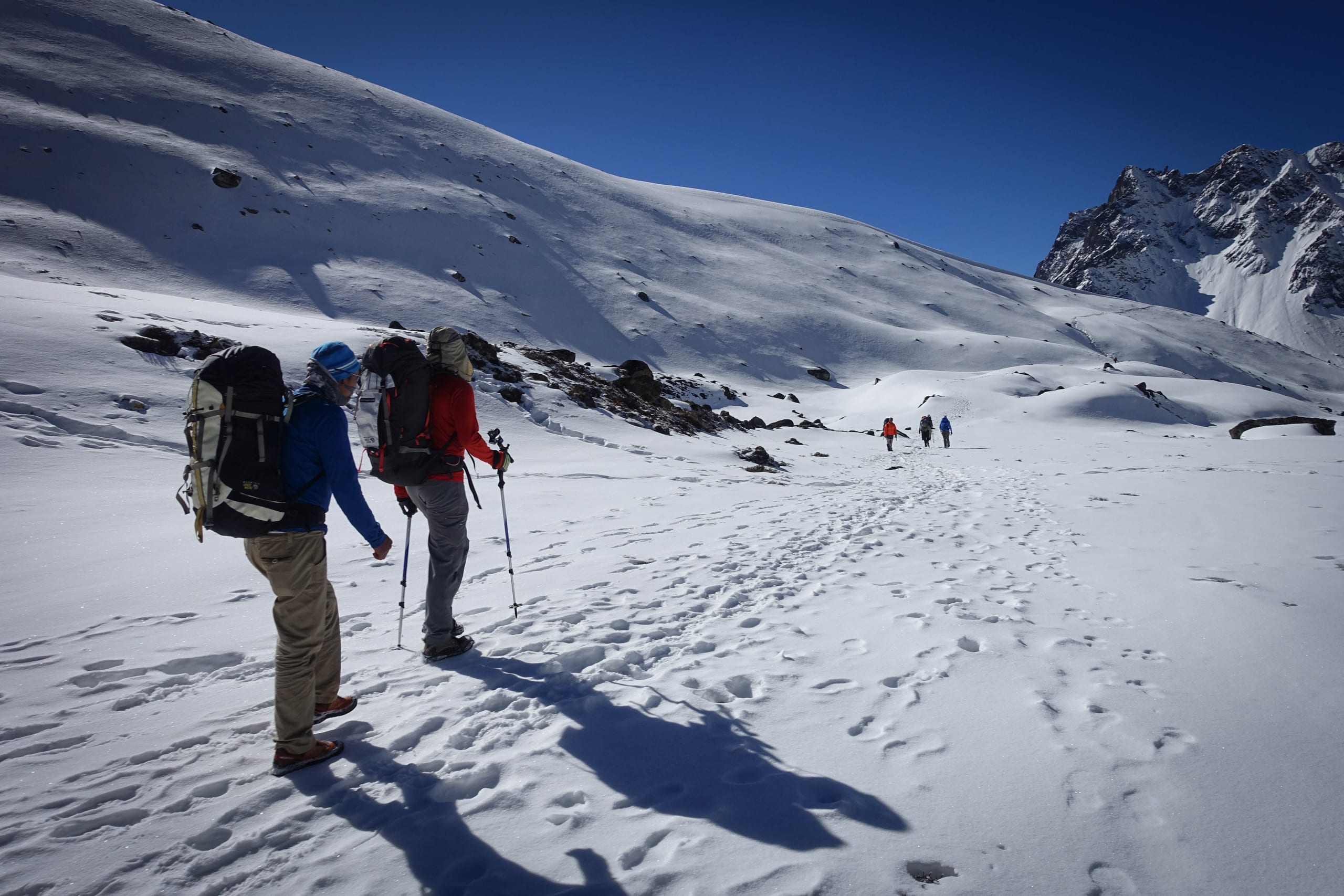
Hiking and mountain climbing are some of the best all-round exercise you can do. Walking uphill with a pack is moderate to vigorous aerobic exercise that strengthens the heart and lungs, builds leg, hip and core strength, loads the bones, and burns a lot of energy: a 70 kg (155 lb) person burns about 223 calories in 30 minutes of cross-country hiking, according to Harvard Health. Time in nature adds mental benefits. A study of nearly 20,000 people in England found that spending at least 120 minutes a week in nature was linked to better self-reported health and wellbeing, and a Stanford study found that a 90-minute nature walk reduced rumination, a pattern of negative thinking linked to depression. Hiking and climbing also build balance, confidence, problem-solving and friendships. The main trade-offs are injury risk, altitude illness on high peaks, and the need to train and prepare properly.
This guide sets out the main physical, mental and social benefits of hiking and mountaineering, what the research says, how the two compare, the risks to manage, and how to get started.
| Benefit | What it does |
|---|---|
| Heart and lung fitness | Uphill walking is moderate to vigorous aerobic exercise |
| Calorie burn | About 223 kcal per 30 minutes of cross-country hiking for a 70 kg person |
| Leg, glute and core strength | Climbing, descending and carrying a pack |
| Bone health | Weight-bearing exercise loads the skeleton |
| Balance and coordination | Uneven terrain trains stabiliser muscles |
| Mental health | Nature exposure linked to lower rumination and better wellbeing |
| Sleep | Physical tiredness and daylight exposure |
| Confidence and resilience | Setting and achieving hard goals |
| Social connection | Teams, clubs and shared challenges |
| Weekly target | WHO: 150–300 minutes of moderate activity, or 75–150 minutes vigorous |
Hiking, trekking and mountain climbing: what is the difference?
The benefits overlap, but the activities differ:
| Activity | What it involves | Typical intensity |
|---|---|---|
| Hiking | Walking on trails, usually in a day | Moderate; vigorous on steep climbs |
| Trekking | Multi-day walking, often in mountains, sleeping in huts, teahouses or tents | Moderate for long hours, day after day |
| Mountaineering / mountain climbing | Ascending peaks, often with snow, ice or rock, crampons, ropes and altitude | Vigorous, with strength, skill and endurance demands |
| Rock climbing | Climbing rock routes with ropes, or bouldering | Short, intense strength and power efforts |
Most people move from hiking to trekking and then to mountaineering. Read more about the difference between hiking and trekking and the difference between mountaineering and alpinism.
Physical health benefits
1. A stronger heart and lungs
Walking uphill raises your heart rate and breathing for long periods, which is exactly what aerobic training does. The World Health Organization recommends that adults get 150–300 minutes of moderate-intensity aerobic activity a week, or 75–150 minutes of vigorous activity, or a mix. A few hours of hill walking at the weekend covers much of that target. On steep ground or with a heavy pack, hiking becomes vigorous exercise.
Regular aerobic exercise is linked to lower blood pressure, better cholesterol, better blood-sugar control and a lower risk of heart disease, stroke and type 2 diabetes. Hiking is particularly accessible because it needs no special facility, and you can adjust the intensity by choosing steeper or flatter routes.
2. Burning calories and managing weight
Hiking burns a lot of energy, especially uphill and with a pack. Harvard Health estimates that a person weighing about 70 kg (155 lb) burns around 223 calories in 30 minutes of cross-country hiking. A heavier person burns more. Over a five-hour hill day, that adds up quickly, and on a multi-day trek or climb many people struggle to eat enough to keep up.
| Activity (Harvard Health estimates, 70 kg person) | Calories per 30 minutes |
|---|---|
| Hiking, cross-country | about 223 |
Actual energy use depends on body weight, pace, gradient, pack weight and altitude.
3. Stronger legs, glutes and core
Climbing hills works the quadriceps, hamstrings, glutes and calves. Descending works the same muscles eccentrically, as they lengthen under load, which builds strength and resilience but also causes the familiar soreness after a big descent. Carrying a pack and balancing on rough ground engage the core and back.
Mountaineering adds more: kicking steps in snow, front-pointing on ice in crampons, scrambling on rock and carrying heavy loads between camps all demand whole-body strength.
4. Healthier bones
Hiking is weight-bearing exercise: your bones carry your body weight against gravity with every step. Weight-bearing and muscle-strengthening exercise help build and maintain bone density, which matters more as we age. Carrying a pack and walking downhill add extra load.
5. Better balance and coordination
Unlike a treadmill, a trail is never the same from one step to the next. Roots, rocks, mud, snow and slopes constantly challenge your balance and train the small stabilising muscles around the ankles, knees and hips. Good balance helps prevent falls, an important benefit for older adults.
6. Joint-friendly endurance
Walking is lower-impact than running, so many people can hike for hours with less pounding on the joints. Trekking poles take some of the load off the knees on descents. People with joint problems should still build up gradually and seek advice.
7. Better sleep
Long days of physical activity outside usually lead to deeper sleep. Exposure to daylight also helps set the body clock. The exception is high altitude, where sleep is often disturbed; see how the body copes above 8,000 metres.
8. Fresh air and daylight
Mountain air is often cleaner than city air, although high altitudes bring their own challenges. Daylight helps the skin produce vitamin D, but at altitude ultraviolet radiation is stronger, so sun protection matters. See our guide to sun protection for mountaineering and trekking.
Mental health benefits
9. Less rumination and better mood
In a Stanford study published in PNAS in 2015, Gregory Bratman and colleagues sent participants on 90-minute walks either in a natural area or along a busy road. Those who walked in nature reported less rumination, the repetitive negative thinking linked to depression, and showed reduced activity in a part of the brain (the subgenual prefrontal cortex) associated with it. Those who walked in the city did not.
A larger study by Mathew White and colleagues, published in Scientific Reports in 2019, looked at nearly 20,000 people in England. Those who spent at least 120 minutes a week in nature were significantly more likely to report good health and high wellbeing than those who spent none. The benefits peaked at about 200–300 minutes a week, and it did not matter whether the time came in one long visit or several short ones. The study was observational, so it shows an association rather than proof of cause and effect, but it fits a large body of research.
10. Stress relief and mindfulness
On the trail, attention narrows to the next step, the weather and the view. Many hikers and climbers describe it as a kind of moving meditation. Climbing forces you to focus completely on the moment, which leaves little room for everyday worries.
11. Confidence, resilience and problem-solving
Planning a route, coping with bad weather, managing fatigue and turning back when conditions demand it all build resilience and judgement. Achieving a hard goal such as a summit or a long trek builds lasting confidence. We explore this in more depth in how climbing mountains can make you better at everything else.
Social benefits
12. Friendship and teamwork
Hiking with friends or family, joining a club or travelling on a group trek creates strong bonds. On a mountain, team members rely on each other on the rope, in camp and in difficult moments. Many climbers say the people they climbed with are the best part of an expedition. Guided trips are also a good way to meet like-minded people from around the world.
What muscles does hiking and climbing work?
| Muscle group | Role on the trail or mountain |
|---|---|
| Quadriceps (front of thigh) | Push you uphill; brake you on the way down |
| Glutes | Power each uphill step and stabilise the hips |
| Hamstrings | Help drive the leg and control the knee |
| Calves | Push off on steep ground; work hard when front-pointing on ice |
| Hip stabilisers | Keep you balanced on uneven ground |
| Core (abdominals and lower back) | Stabilise the body under a pack |
| Shoulders and upper back | Carry the pack; used for poles, ice axe and scrambling |
| Forearms and grip | Used heavily in scrambling, rock and ice climbing |
Mountaineering adds upper-body work that hiking does not: swinging an ice axe, hauling on fixed ropes, and scrambling on rock. That is why training plans for bigger peaks include pull-ups, rows and grip work as well as leg strength.
Hiking for families and children
Hiking is one of the easiest ways for families to be active together. Children build fitness, coordination and confidence, and learn about nature and the outdoors. Short, varied routes with streams, rocks to scramble on and a clear goal, such as a lake or summit, keep younger walkers motivated. Let children set the pace, bring plenty of snacks and turn back while everyone is still having fun. Older children and teenagers can progress to multi-day treks, navigation challenges and, with training, their first snow peaks.
Fuel and hydration for healthy hiking
Getting the most from hiking means fuelling it properly:
- Eat little and often. Snack every hour or so on easy carbohydrates such as nuts, dried fruit, bars and sandwiches, rather than one large lunch.
- Drink regularly. Thirst lags behind need, especially in cold weather and at altitude, where you lose extra water through breathing.
- Replace salts on hot days. Electrolyte tablets or salty snacks help prevent cramps and fatigue.
- Recover well. After a big day, eat a meal with protein and carbohydrates and drink plenty of water.
For multi-week trips and expeditions, see our nutrition tips for mountaineering and trekking.
Essential gear for safe, healthy hiking
| Item | Why it matters |
|---|---|
| Supportive boots or trail shoes | Prevent blisters, rolled ankles and foot pain |
| Layered clothing (base, insulation, waterproof shell) | Keeps you warm, dry and comfortable as the weather changes |
| Daypack | Carries water, food and layers comfortably |
| Map, compass or GPS app | Navigation and safety |
| First-aid kit | Blisters, cuts and sprains |
| Head torch | In case you are out after dark |
| Sun hat, sunglasses and sunscreen | UV is stronger at altitude and on snow |
| Trekking poles | Reduce knee load on descents and help balance |
| Water and snacks | Energy and hydration |
For technical climbs, add a helmet, harness, crampons and ice axe, and the skills to use them. Our guide to mountaineering backpacks explains how to choose a pack.
Do the benefits change at high altitude?
At high altitude, the body faces less oxygen with every breath. Over days and weeks it adapts: breathing deepens, the heart beats faster at first, and the body makes more red blood cells. Trekking at altitude is therefore a very demanding endurance workout, and it often leads to weight loss because appetite falls and energy use rises. But altitude also brings risks, including acute mountain sickness and, more rarely, life-threatening HAPE and HACE. Ascend gradually, follow your guide's acclimatisation plan, and descend if symptoms worsen. Read what happens to your body in the death zone to understand the extremes.
Health benefits of mountain climbing vs hiking
| Hiking | Mountain climbing | |
|---|---|---|
| Cardio fitness | Good to very good | Very good to excellent |
| Strength | Legs and core | Whole body, including upper body |
| Skill development | Navigation, pacing | Rope work, crampon and axe technique, glacier travel |
| Mental focus | Mindful walking | Intense focus and risk management |
| Altitude exposure | Usually low to moderate | Often high; requires acclimatisation |
| Injury and illness risk | Lower | Higher (falls, cold, altitude illness) |
| Accessibility | Very high | Needs training, gear and often a guide |
"Mountain climbers" the exercise vs real mountain climbing
Many searches for "mountain climber benefits" are about the mountain climber exercise, a bodyweight move in which you start in a plank and drive your knees towards your chest one at a time, as if running in place. It is not the same as climbing a mountain, but it is a useful training exercise:
| Mountain climbers (exercise) | Mountain climbing (outdoors) |
|---|---|
| Works the core, shoulders, hip flexors and legs | Works legs, glutes, core, back and the cardiovascular system for hours |
| Raises the heart rate quickly in short intervals | Long, steady endurance effort |
| Needs no equipment | Needs boots, clothing, often crampons, rope and a guide |
| Good for home training | The real thing |
Mountain climbers, step-ups, lunges, planks and stair climbing are all good parts of a training plan for a real climb. See our guide to training for mountaineering.
Is hill climbing good exercise?
Yes. Walking up hills is one of the most efficient forms of exercise because it raises the heart rate and works the large muscles of the legs at the same time. It can be adjusted easily: start with gentle slopes, then add steeper climbs, longer days and a heavier pack. Hill walking also builds the specific fitness needed for trekking and mountaineering, so it is the backbone of most training plans for Kilimanjaro, Everest Base Camp and bigger peaks.
Health benefits of hiking uphill and downhill
Uphill walking is mainly a cardiovascular and concentric strength workout. Your heart and lungs work hard, and your quads and glutes push you up.
Downhill walking feels easier for the heart but harder on the muscles and joints, which brake your body weight with every step. It builds eccentric strength, which helps protect against injury, but causes more muscle soreness at first. Trekking poles and shorter steps reduce the load on the knees.
Why do people climb mountains?
Beyond health, people climb for many reasons: the views, the challenge, the sense of achievement, the friendships, the experience of remote places and cultures, and the simple satisfaction of moving through big landscapes under their own power. George Mallory's famous answer when asked why he wanted to climb Everest, "Because it's there", is still quoted a century later. Read more about the motivations, and the dangers, in the deadly obsession with Everest.
Common myths about hiking and health
"You have to be fit before you start." You get fit by starting. Begin with short, flat walks and build up. Fitness improves quickly in the first few months.
"Walking isn't real exercise." Brisk walking counts as moderate-intensity activity under WHO guidelines, and walking uphill or with a pack can be vigorous.
"Downhill is the easy part." Descents are easier on the heart but harder on the knees and thigh muscles. Many injuries happen on the way down, when people are tired.
"Only young people can climb mountains." Many people take up hiking and trekking in their 50s and 60s and continue for decades. Age matters less than gradual training and good health checks.
"More altitude means more benefit." Higher is not automatically healthier. Above about 2,500 m, altitude illness becomes a risk, and the body needs time to adapt. The health benefits of hiking come from regular activity, not from altitude itself.
Risks to manage
The benefits of hiking and climbing are real, but so are the risks:
| Risk | How to reduce it |
|---|---|
| Slips, trips and falls | Good footwear, poles, careful pacing; ropes and skills on technical ground |
| Overuse injuries (knees, ankles, feet) | Build mileage gradually; strength training; well-fitted boots |
| Altitude illness (AMS, HAPE, HACE) | Ascend gradually; "climb high, sleep low"; descend if symptoms worsen. See acute mountain sickness |
| Cold injury and hypothermia | Layered clothing, dry gear, good forecasts |
| Sunburn and snow blindness | High-SPF sunscreen and category 4 glacier glasses |
| Dehydration | Drink regularly; at altitude you lose more water through breathing |
| Getting lost or caught out | Navigation skills, maps, telling someone your plans, emergency kit |
| Objective hazards (avalanches, rockfall, crevasses) | Training, experienced guides and conservative decisions |
People with heart or lung conditions, diabetes or other medical issues should talk to a doctor before taking up strenuous hiking, and especially before going to high altitude.
How to start hiking and climbing for your health
- Start local. Walk local hills or trails once or twice a week, building from one to three hours.
- Add hills and a pack. Gradually increase gradient and carry a light daypack, then a heavier one.
- Train in between. Add two strength sessions a week (squats, lunges, step-ups, core work) and some aerobic training such as cycling or stair climbing.
- Learn the skills. Take a navigation course, then a basic mountaineering or glacier course before attempting snow peaks. See skills you need before going on a mountaineering trip and a beginner's guide to mountaineering.
- Do a multi-day trek. Treks such as Everest Base Camp, Annapurna Base Camp or the Tour du Mont Blanc build endurance and confidence.
- Try a first peak. Kilimanjaro, Toubkal, Mount Fuji or a guided Alpine peak are common first summits.
A simple weekly plan for beginners
| Day | Activity |
|---|---|
| Monday | Rest or gentle walk |
| Tuesday | 45–60 minutes brisk walk or cycle |
| Wednesday | Strength: squats, lunges, step-ups, planks, mountain climbers |
| Thursday | 45–60 minutes hill or stair walking |
| Friday | Rest |
| Saturday | Hike 3–5 hours with a daypack |
| Sunday | Easy walk, stretching or yoga |
This plan alone would exceed the WHO's weekly activity guidelines.
Hiking and climbing as you age
Hiking is one of the few endurance activities many people can continue into their 70s and beyond, adjusting pace and distance. Balance, leg strength and bone loading all help counter age-related decline. Many trekking companies run trips for older travellers, and summit records on peaks like Kilimanjaro and Everest are regularly set by climbers in their 70s and 80s. The key is building up gradually and getting medical advice before high-altitude trips.
Top-rated trekking operators on ExpedReview
If you are ready for a multi-day trek, these companies have the highest average ratings from verified ExpedReview client reviews (minimum two reviews; data as of 22 October 2026).
| Trip | Operator | ER average rating | Verified reviews |
|---|---|---|---|
| Everest Base Camp trek | Alpine Ramble | 5.0 / 5 | 18 |
| Everest Base Camp trek | Ian Taylor Trekking | 5.0 / 5 | 9 |
| Everest Base Camp trek | Adventure Consultants | 5.0 / 5 | 8 |
| Kilimanjaro | Altezza Travel | 5.0 / 5 | 14 |
| Kilimanjaro | H.E.C. Kilimanjaro and Safaris Limited | 5.0 / 5 | 10 |
| Kilimanjaro | Bundi Travel | 5.0 / 5 | 9 |
See all operators on the Everest Base Camp trek page and the Kilimanjaro page.
The bottom line
Hiking and mountain climbing train the heart, lungs, muscles and bones, burn plenty of energy, and improve mood, sleep and confidence, with the added benefit of time in nature and with other people. You do not have to climb Everest to benefit: a couple of hours a week on local hills will meet most health guidelines. Build up gradually, manage the risks, and let each trip lead to the next.
Frequently asked questions
What are the benefits of mountain climbing?
Better heart and lung fitness, stronger legs, glutes and core, healthier bones, better balance, high calorie burn, improved mood and sleep, lower stress, more confidence and resilience, and strong friendships.
What are the benefits of mountaineering?
Mountaineering adds whole-body strength, technical skills such as crampon, ice axe and rope work, and mental benefits like focus, judgement and resilience to the fitness benefits of hiking. It also takes you to remote, inspiring places.
Is hill climbing good exercise?
Yes. Walking uphill is moderate to vigorous aerobic exercise that also strengthens the legs and glutes. It is easy to scale up with steeper hills, longer days and a heavier pack.
Is climbing mountains good for you?
For most healthy people, yes, as long as they build up gradually and manage risks such as falls, cold and altitude. People with medical conditions should check with a doctor first.
How many calories does hiking burn?
Harvard Health estimates that a 70 kg (155 lb) person burns about 223 calories in 30 minutes of cross-country hiking. Heavier people, steeper slopes and heavier packs burn more.
What are the benefits of hiking uphill?
Uphill hiking raises your heart rate and works the quads, glutes and calves hard, building cardiovascular fitness and leg strength more quickly than walking on the flat.
What are the mental health benefits of hiking?
Research links time in nature with better wellbeing and lower rumination. A 2019 study found that people spending at least 120 minutes a week in nature were more likely to report good health and wellbeing.
What are the benefits of hiking in the woods?
Woodland walks combine exercise with nature exposure, shade and softer ground. Studies of nature walks show reductions in rumination and stress compared with urban walks.
What are the physical benefits of hill walking?
Stronger heart and lungs, stronger legs, better balance, healthier bones, weight management and better sleep.
What are the benefits of the mountain climber exercise?
The bodyweight "mountain climber" works the core, shoulders, hip flexors and legs and raises the heart rate quickly. It is a good training exercise for real hiking and climbing, but it is not the same thing.
What do mountain climbers need?
For hiking: good boots, layered clothing, a pack, water, food, a map and a first-aid kit. For mountaineering: add crampons, an ice axe, a helmet, a harness, ropes, glacier skills and often a guide. See our Everest gear list for the full high-altitude kit.
Why do people hike mountains?
For fitness, views, adventure, time in nature, friendship, the challenge and the sense of achievement.
Why do people climb mountains?
For the challenge, the beauty of the mountains, the friendships, and the personal growth that comes from doing something hard. Many say the experience shapes the rest of their lives.
Is hiking or mountain climbing better for you?
Both are good. Hiking is accessible and lower risk. Mountaineering is more demanding and works the whole body but carries more risk and needs skills and training.
Are there benefits to mountain air?
Mountain air is often cleaner than city air, and time outdoors in daylight helps sleep and vitamin D. At high altitude, though, there is less oxygen, so you need to acclimatise.
How often should I hike for health?
The WHO recommends 150–300 minutes of moderate activity or 75–150 minutes of vigorous activity a week. One or two hill walks a week, plus a couple of shorter sessions, meets that.
What is the difference between hiking and mountain climbing?
Hiking is walking on trails; mountain climbing involves ascending peaks, often on snow, ice or rock, with technical equipment and sometimes high altitude.
Is mountain hiking good for weight loss?
Yes. Hiking burns a lot of energy, and long days in the hills can create a significant calorie deficit if your diet stays the same. Combine it with sensible eating for the best results.
What muscles does hiking work?
Mainly the quadriceps, glutes, hamstrings and calves, plus the hip stabilisers and core. Carrying a pack also works the shoulders and upper back, and scrambling or using an ice axe adds arm and grip strength.
Is hiking good for your heart?
Yes. Hiking is aerobic exercise, which strengthens the heart and is linked to lower blood pressure and a lower risk of heart disease. Steep hills make it vigorous. Anyone with a heart condition should get medical advice before strenuous hiking or high-altitude trips.
Sources
Data gathered by ExpedReview from official sources and peer-reviewed research, written in our own words:
- World Health Organization, 2020 guidelines on physical activity and sedentary behaviour.
- Harvard Health Publishing, Calories burned in 30 minutes for people of three different weights.
- White MP et al., "Spending at least 120 minutes a week in nature is associated with good health and wellbeing", Scientific Reports (2019).
- Bratman GN et al., "Nature experience reduces rumination and subgenual prefrontal cortex activation", PNAS (2015).
This article is general information, not medical advice. Talk to a doctor before starting a demanding exercise programme or travelling to high altitude.
Tags: health-benefits, heart-health, bone-density, mental-health, weight-loss