How to Train for Mountaineering: A 6-Month Plan, Exercises and Tips from Guides
By Blake Penson · May 17, 2021
Category: training-and-skills
10 min read
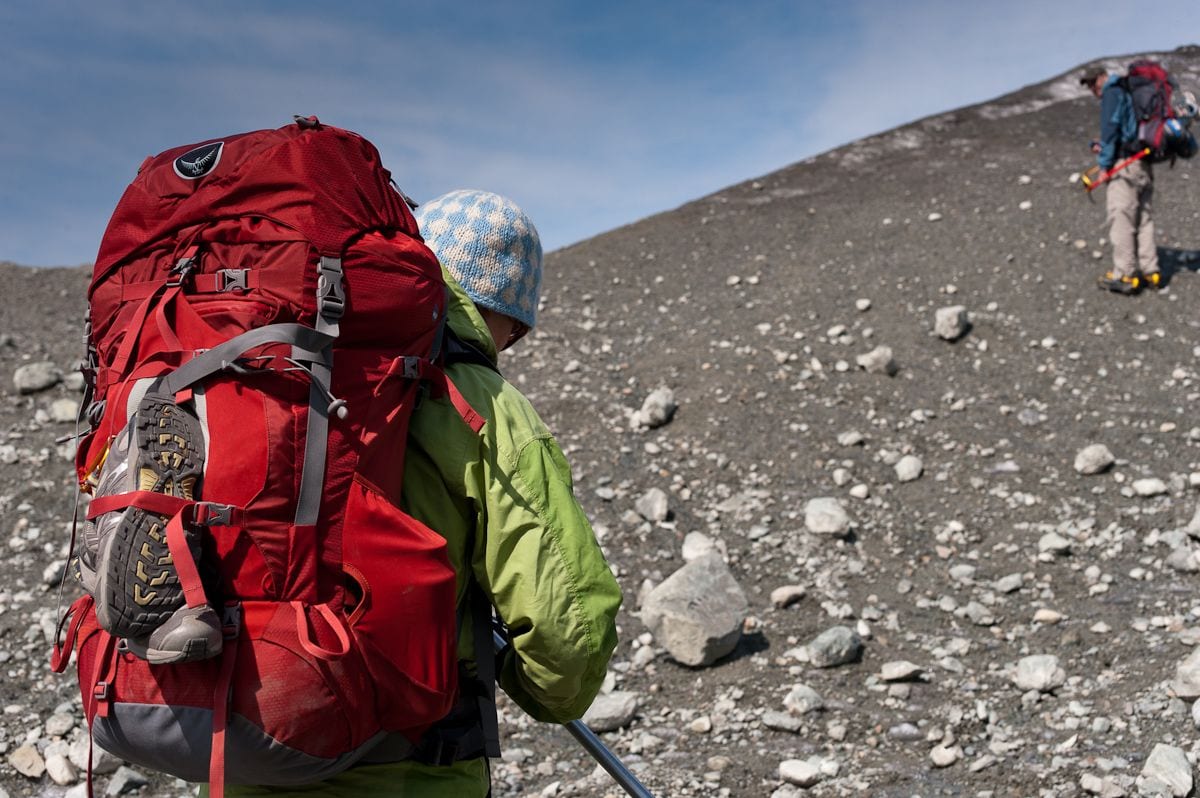
To train for mountaineering, build a big aerobic base with long, low-intensity sessions (hiking, running, cycling or stair climbing), add specific uphill conditioning carrying a weighted pack, and do two or three strength sessions a week focused on legs, glutes and core, plus regular stretching or yoga for flexibility and balance. For high-altitude expeditions in the Alaska Range, Andes or Himalaya, start about six months before the trip; for an easy 4,000 m alpine peak, two to three months is often enough if you are already active. The most important session is a long hike of several hours with a heavy pack, ideally on steep terrain, building toward back-to-back long days. Check with a doctor before starting a new programme, and ask your guide what fitness your specific climb requires. Lack of fitness is one of the most common reasons climbers struggle or turn back, so training is one of the best investments you can make. ExpedReview's rankings help you compare operators, many of whom send training plans to clients.
| Element | Goal | Examples |
|---|---|---|
| Aerobic base | Sustain effort for many hours | Long hikes, easy runs, cycling, rowing |
| Climbing conditioning | Uphill power with a load | Weighted pack hikes, stairs, step-ups, snowshoeing |
| Strength | Leg, glute and core endurance | Step-ups, lunges, single-leg deadlifts, planks |
| Flexibility and balance | Move well on rough ground | Yoga, stretching, balance drills |
| When to start | High-altitude expedition | About 6 months before |
| When to start | Easy 4,000 m alpine peak | About 2–3 months before, if active |
First steps: see a doctor and set a goal
Before starting a new training regime, especially if you are new to climbing, see a doctor to check for underlying conditions that could affect your training or your ability to go to altitude. Many guiding companies ask for a medical form or proof of a physical before an expedition.
Then set your goal. Training for a guided ascent of Mont Blanc is very different from training for Denali or an 8,000 m peak. Ask your guide or operator what they expect, how heavy your pack will be, and how long the hardest days will be.
When we spoke to guides for the original version of this article in 2021, Coley Gentzel, then program coordinator at the American Alpine Institute and a Denali guide, gave this advice: "Remember that with whatever training program you use, start gradually; don't push it if you have prolonged soreness; stop and get an exam if you sense an injury; and make sure to drink a lot of fluids before, during and after your sessions."
When to start training
For most high-altitude climbs, such as those in the Alaska Range, the Andes or the Himalaya, start about six months before the expedition: for a May expedition, that means beginning in November. For shorter, easier climbs, two to three months of focused training is often enough for people who are already active.
The fitter you are when you start, the easier it is to build. Rolfe Oostra, co-founder of 360 Expeditions, told us: "For Aneto or an easy 4,000-metre peak in the Alps not too much training is necessary provided the person is enjoying an active and sporty lifestyle. It is important to at least do something every day towards keeping in shape."
The four types of mountaineering training
Mountaineering fitness rests on four kinds of training: endurance, climbing conditioning, strength and flexibility. Oostra explained that for rock and ice climbing, strength and flexibility matter most, while for mountaineering, conditioning and endurance come first.
1. Endurance training
Most of a mountaineering expedition involves walking uphill with a pack for hours at a time. That makes aerobic endurance the foundation of your fitness.
The key is volume at low intensity. Most of your training should be at an effort you could sustain for hours, where you can still hold a conversation. This builds your aerobic engine and trains your body to use fat as fuel, which matters on long days when appetite drops at altitude.
Oostra put it this way: "There is little benefit in pushing your body past its aerobic threshold – or, in other words, past a level of effort that you can sustain more or less indefinitely. What's actually needed is the ability to forestall activating the anaerobic circuit while still exerting oneself – all day long."
He recommended building up to long hikes of eight to ten hours with a weighted pack in the months before a high-altitude expedition. If you cannot do that, two- to three-hour bike rides with climbs, at a steady all-day pace, are a good alternative. He also suggested some long, low-intensity sessions without eating beforehand to improve fat burning; if you try this, start with short sessions and check with a doctor if you have any medical conditions.
Good endurance options include:
- Long hikes on hilly terrain.
- Easy running, especially on trails.
- Cycling, especially on hills or gravel.
- Rowing, swimming or cross-country skiing.
2. Climbing conditioning
Climbing conditioning builds the specific strength and stamina needed to walk uphill with a load. "It's no big secret that climbing is the best training for climbing," Gentzel told us. Since most people cannot get to the mountains regularly, he recommended simulating mountain conditions: hiking in snow with snowshoes, climbing stairs with a weighted pack and cycling on rough terrain.
Good conditioning sessions include:
- Weighted pack hikes: start with 8–10 kg and gradually build toward the weight you will carry on your climb.
- Stair or hill repeats with a pack.
- Stair machine or incline treadmill sessions when you cannot get outside.
- Snowshoeing in winter.
- A weekly climbing gym session, if possible, for climbing-specific fitness.
3. Strength training
Strength training for mountaineering focuses on the legs, glutes and core, which carry you and your pack up and down the mountain. Climbs with long technical sections also need upper-body and grip strength.
"Climbing and mountaineering require far more endurance than they do sheer strength," Gentzel said. "As a general rule, you should use less weight and do more sets and reps than a typical weight training program would include."
Useful exercises:
- Step-ups: onto a stable step about 20 cm high. Start with 15 on each leg and add a weighted pack as you get stronger.
- Heel-down (eccentric step-downs): lower yourself slowly from a step to build control for descents and protect your knees.
- Jump squats: 15 to 20 at a time to build leg power.
- Single-leg deadlifts: for hip strength and balance on exposed ground.
- Lunges and split squats.
- Core exercises: planks, side planks, sit-ups and carries.
- Upper body: push-ups, pull-ups and rows.
Oostra said that on desk days he did "20 situps, 20 pushups and 10 chin-ups every hour on the hour", an easy way to add strength work to a busy day.
4. Flexibility and balance
Flexibility helps you move efficiently, recover between days and avoid injury. Oostra said many clients find regular yoga before an expedition helps on technical sections of a summit push, "like traversing glaciers or moraine or steep ground where balance and flexibility are required."
Finish each session with about 15 minutes of stretching, and consider one or two yoga or mobility sessions each week.
A sample six-month plan
| Phase | Months before | Focus | Key sessions |
|---|---|---|---|
| Base | 6–4 | Aerobic base, general strength | 3–4 easy cardio sessions; 2 strength sessions; 1 long hike |
| Build | 4–2 | Pack conditioning, longer days | Longer weighted hikes; stair or hill repeats; 2 strength sessions |
| Peak | 2–0.5 | Mountain-specific volume | Back-to-back long hikes with heavy pack; a training climb if possible |
| Taper | Final 1–2 weeks | Recover and stay fresh | Shorter, easier sessions; rest; prepare gear |
A sample week in the build phase
| Day | Session |
|---|---|
| Monday | Rest or easy walk, mobility |
| Tuesday | Strength (legs and core), 45–60 min |
| Wednesday | Easy aerobic, 60–90 min (run, bike or row) |
| Thursday | Stair or hill repeats with pack, 60 min |
| Friday | Strength and mobility, 45 min |
| Saturday | Long hike with pack, 4–8 hours |
| Sunday | Second hike or easy aerobic session, 2–4 hours |
Adjust the plan to your fitness, schedule and objective. Increase training volume gradually, by no more than about 10% a week, and include an easier recovery week every three or four weeks.
Training by objective
4,000 m alpine peaks (such as Gran Paradiso or the Breithorn): long hill days with 1,000–1,500 m of ascent, plus leg strength for descents. See Gran Paradiso.
Mont Blanc and similar climbs: back-to-back days with 1,500 m or more of ascent, and the ability to keep moving for 10–12 hours on summit day. See Mont Blanc.
Kilimanjaro and trekking peaks: steady endurance for consecutive days of hiking and a long summit night. See Kilimanjaro.
Aconcagua and Denali: heavy pack carrying (and sled hauling on Denali), long days and strength for load carries. See climbing Aconcagua and the Denali gear list.
8,000 m peaks: a large aerobic base built over years, plus months of specific training and previous altitude experience. See Mount Everest for beginners.
Altitude preparation
You cannot fully train for altitude at sea level, but you can prepare:
- Build a big aerobic base, which helps at any altitude.
- Gain altitude experience on lower peaks before big expeditions.
- Some climbers use hypoxic tents or altitude training masks, though evidence for masks is weak, and hypoxic tents must be used consistently for weeks to have an effect.
- Learn about altitude illness. Read what is acute mountain sickness.
Nutrition and recovery
Training only works if you recover. Eat enough to fuel long sessions, with plenty of carbohydrates for long days and protein to repair muscles. Practise eating and drinking on long training hikes, using the same snacks you plan to take on the mountain, so you learn what your stomach tolerates. On expeditions, appetite often falls at altitude, so getting used to eating small amounts often while moving is valuable.
Sleep is part of training. Aim for seven to nine hours a night, especially during heavy training weeks. If you feel constantly tired, your resting heart rate stays high, or your performance drops, take extra rest days.
Training for the descent
Many climbers train hard for going up and forget about coming down. Long descents with a pack are hard on the quads and knees, and many accidents happen on the way down when climbers are tired. Include downhill walking in your training hikes, use eccentric exercises such as heel-down step-downs, and practise using trekking poles. Your legs will thank you on the way down from a summit.
Mental training
Mountaineering is as much mental as physical. Long, cold summit days, bad weather and slow progress test your resolve. Training helps: long days in poor weather teach you to keep going, look after yourself and make decisions when tired. Practise staying positive, breaking big days into small goals, and accepting that turning back is sometimes the right decision. Learning the skills you need also builds confidence; see skills to learn before a mountaineering trip.
Practise with your gear
Use your training to test your equipment. Wear your mountaineering boots on long hikes to break them in and find hot spots, carry the pack you will use on the climb, and practise with layers, gloves and your headlamp. If your climb requires crampons, ice axe or rope work, take a course or practise with a guide before the trip; see what are crampons.
Avoiding injury
- Increase training load gradually.
- Wear the boots you will climb in on training hikes.
- Use trekking poles on descents.
- Rest when you feel persistent pain, and see a professional for injuries.
- Sleep well and eat enough to recover.
Frequently asked questions
How do I train for mountaineering?
Build aerobic endurance with long, low-intensity sessions, add weighted pack hikes and stair or hill training, do two or three strength sessions a week, and include stretching or yoga.
How long should I train for a mountaineering trip?
About six months for high-altitude expeditions, and two to three months for easier alpine peaks if you are already active.
What is the best exercise for mountaineering?
Long hikes uphill with a weighted pack. Climbing is the best training for climbing.
How heavy should my training pack be?
Start with 8–10 kg and build gradually toward the weight you will carry on your climb.
Do I need to go to the gym to train for mountaineering?
No. Hills, stairs, a weighted pack and bodyweight exercises can cover most of what you need.
Am I fit enough for mountaineering?
If you can hike for six to eight hours with a pack on hilly terrain and recover for another day, you have a good base for many alpine climbs. Ask your guide for specific requirements.
How do I get fit for mountaineering fast?
Focus on consistent weighted hikes and stair training several times a week, but avoid increasing volume too fast. There is no shortcut to endurance.
Should I stop training before my climb?
Reduce training in the last one to two weeks so you arrive rested, but stay active with shorter, easier sessions.
Is running good training for mountaineering?
Yes, easy running builds aerobic fitness, but combine it with weighted hiking, which is more specific to climbing.
Tags: training, endurance, strength-training, rolfe-oostra, fitness