How Climbing Mountains Makes You Better at Everything Else: 12 Benefits of Mountaineering
By Blake Penson · September 20, 2024
Category: training-and-skills
6 min read
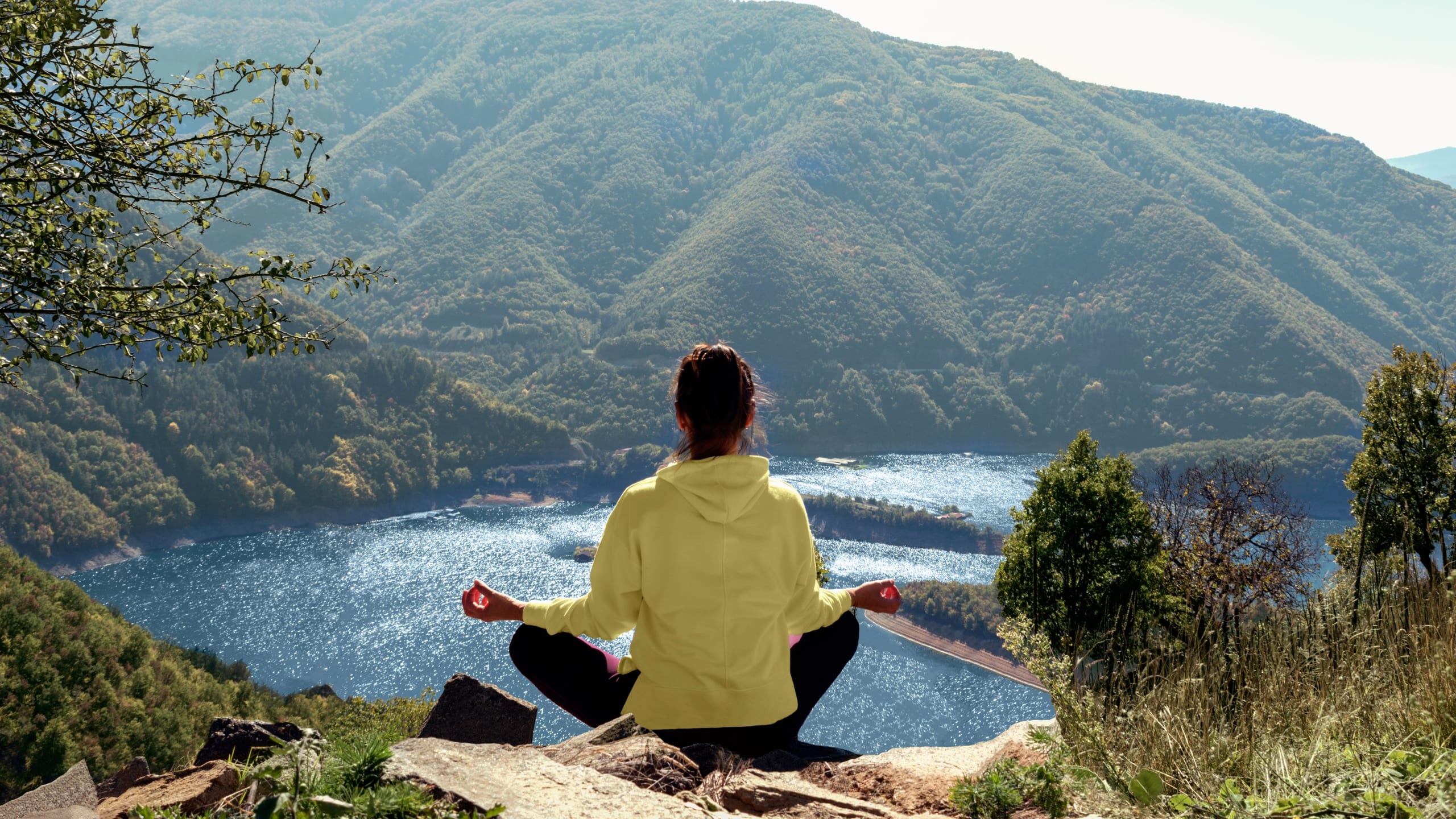
Climbing mountains makes you better at everything else because it trains the same qualities that success depends on anywhere: discipline, resilience, careful planning, sound judgement under pressure, teamwork, focus, humility and physical fitness. A mountain gives honest feedback. Preparation pays off, shortcuts are punished, and the best climbers learn to set long-term goals, break them into small steps, manage risk, communicate clearly and turn back when the conditions say no. Those habits transfer directly to careers, relationships and personal goals. Mountaineering also brings the health benefits of regular exercise and time in nature: research links at least 120 minutes a week in nature with better health and wellbeing.
This article sets out the 12 most important lessons mountains teach, how each one carries over into everyday life, what makes mountaineering different from other sports, and how to start climbing if you want to experience it for yourself.
| Mountain skill | How it transfers |
|---|---|
| Discipline | Showing up and training consistently for long-term goals |
| Resilience | Pushing through discomfort and setbacks |
| Goal-setting | Breaking a huge goal into camps and steps |
| Planning and preparation | Logistics, contingencies and checklists |
| Risk judgement | Weighing danger against reward; knowing when to stop |
| Decision-making under pressure | Clear thinking when tired, cold or stressed |
| Teamwork and trust | Relying on others and being reliable |
| Communication | Clear, honest, timely information |
| Focus and mindfulness | Attention to the present step |
| Humility | Respecting forces bigger than you |
| Adaptability | Changing the plan when conditions change |
| Physical health | Energy, fitness and mental wellbeing |
Why mountains are such good teachers
Mountains are unforgiving and indifferent. They do not care about your job title, your excuses or how much you want the summit. Weather changes, snow conditions shift, and your body responds to altitude in ways you cannot fully control. That makes them a powerful training ground for the qualities that matter everywhere else.
Mountaineering is also unusual among sports because the "game" lasts so long. An Everest expedition takes about two months, even a Kilimanjaro climb lasts a week, and most climbers spend years building up to their big objectives. That long arc trains patience and persistence in a way few other activities can.
1. Discipline: the foundation of success
No one climbs a big mountain without discipline. Training starts months before an expedition: long hikes with a heavy pack, stair sessions, strength work and endurance training, often before dawn or after work. Gear must be prepared, skills practised and plans checked.
How it transfers: Most worthwhile goals, from a career milestone to a degree or a business, require the same thing: showing up consistently, especially when you do not feel like it. Climbers learn that motivation fades and discipline gets you to the summit.
Try this: Treat your next big goal like an expedition. Set a "summit date", then work backwards to a weekly training plan.
2. Resilience: pushing through tough times
The higher you climb, the harder it gets. The air thins, the cold bites, sleep is poor and every step is an effort. Bad weather can pin you in a tent for days. Climbers learn that discomfort is temporary and that steady progress beats bursts of effort.
How it transfers: Setbacks at work, in relationships or in health feel very different once you have pushed through a hard summit day. Climbers often say mountains taught them to keep going calmly, one step at a time.
But resilience is not stubbornness. The best climbers know the difference between pushing through discomfort and ignoring danger. That distinction is one of mountaineering's most valuable lessons.
3. Goal-setting: one camp at a time
A big mountain is climbed in stages: base camp, Camp 1, Camp 2 and so on. Each stage has its own goals, risks and timeline. Climbers focus on reaching the next camp safely, not on the summit far above.
How it transfers: Large goals become manageable when broken into milestones. A project, a training plan or a savings target can be planned like an ascent: clear stages, checkpoints and a realistic timeline.
4. Planning and preparation
Expeditions succeed or fail on preparation. Climbers plan permits, travel, food, fuel, oxygen, gear, rescue insurance, acclimatisation schedules and contingencies. Checklists are everywhere, from packing lists to pre-climb safety checks.
How it transfers: Good planning reduces stress and failure in every field. Mountaineers learn to think through what could go wrong and prepare for it before they leave home.
Try this: Before a big project, write a "gear list" (resources needed), an "itinerary" (timeline) and a "rescue plan" (what you will do if things go wrong).
5. Risk judgement: knowing when to turn back
On a mountain, poor judgement can be fatal. Climbers constantly weigh risks: avalanche conditions, weather forecasts, time of day, fatigue, the health of team members. They set turnaround times and agree in advance that the summit is optional, but getting down is mandatory.
A study of deaths on Everest published in the BMJ found that 56% of deaths on the standard routes above 8,000 m happened during descent from the summit, many among climbers already exhausted. Turning around on time saves lives.
How it transfers: Recognising when a project, investment or plan is no longer worth the risk, and having the courage to stop, is a rare and valuable skill. Climbers learn that walking away is not failure; it is judgement.
6. Decision-making under pressure
Decisions on mountains are often made when climbers are cold, tired, hungry and short of oxygen. Experienced climbers learn to slow down, check facts, use simple rules and listen to their team.
How it transfers: Under pressure at work or in a crisis, the same habits help: pause, assess, follow a clear process and communicate. Many leaders use mountaineering stories to teach decision-making for exactly this reason.
7. Teamwork and trust
On a rope team, your life is literally in someone else's hands. Climbers depend on partners to belay, to spot signs of altitude illness, to share loads and to make decisions together. On big mountains, they rely on guides, Sherpas, cooks and porters.
How it transfers: Mountains teach you to be a reliable teammate, to trust others and to share credit. They also teach you to value the people behind the scenes whose work makes success possible.
8. Communication
Clear communication is a safety skill. Rope teams use simple calls; expedition teams share weather, health and timing information daily. Hiding a problem, such as a headache, a cold hand or a broken crampon, can endanger everyone.
How it transfers: Honest, clear and timely communication improves every team. Climbers learn to speak up early, ask for help and give straightforward information.
9. Focus and mindfulness
On steep ground, attention narrows to the next foothold. Many climbers describe a state of total focus, sometimes called "flow", in which worries disappear. Long days walking in big landscapes also provide space to think and reflect.
How it transfers: The ability to concentrate deeply on one thing at a time is increasingly rare. Climbing trains it, and many climbers find it carries over into work and study.
10. Humility
Mountains put human ambition in perspective. Even the best climbers are turned back by weather, illness or conditions. Respecting the mountain means accepting that you are not in control.
How it transfers: Humility makes people better learners, leaders and teammates. It helps you accept feedback, admit mistakes and stay open to changing your mind.
11. Adaptability
Plans rarely survive contact with the mountain. Weather windows shift, routes change, people get sick. Climbers learn to adapt: to wait, to try a different route, to change the summit day or to accept a different goal.
How it transfers: Flexibility in the face of change is essential in a fast-moving world. Climbers learn to hold their goals firmly and their plans loosely.
12. Physical and mental health
Training for and climbing mountains builds cardiovascular fitness, strength, balance and endurance. Time in nature is also linked to mental health benefits. A 2019 study by Mathew White and colleagues of nearly 20,000 people in England found that those who spent at least 120 minutes a week in nature were more likely to report good health and high wellbeing. A 2015 Stanford study found that a 90-minute walk in nature reduced rumination, a pattern of repetitive negative thinking linked to depression, compared with a walk in the city.
How it transfers: More energy, better sleep, better mood and less stress make everything else easier. Read more in the top health benefits of hiking and mountain climbing.
Climbing a mountain: determination versus good sense
"Climbing the mountain" is one of the most common ways of describing determination and success. The image fits: a long, hard effort, one step at a time, towards a clear goal. But real climbers know determination has two sides.
The same drive that gets you out of the tent at midnight on summit day can also push you past a safe turnaround time. Mountaineering history has many examples of strong, determined climbers who reached the summit too late and did not come home. The climbers who last for decades tend to combine determination with patience. They come back for another attempt in a later season rather than forcing one that conditions do not allow.
The lesson for everyday life: success is not just about refusing to quit. It is about knowing which battles are worth fighting, persisting with those, and walking away from the rest without guilt. Many climbers describe their best decisions as the summits they did not reach.
| Healthy determination | Unhealthy determination |
|---|---|
| Training consistently for months | Ignoring injuries or illness |
| Pushing through discomfort | Pushing through danger signs |
| Returning for another attempt | Refusing to turn back on the day |
| Committing to the team's plan | Putting your summit ahead of the team |
| Measuring success by a safe return | Measuring success only by the summit |
How adventure travel builds new skills and confidence
Mountain trips often take people far from home, into new cultures, languages and environments. That alone builds confidence. Arranging travel to Nepal, Tanzania or Peru, adapting to new food and customs, and working with local guides and porters teach practical skills and cultural awareness that are useful long after the trip.
On the mountain itself, new skills come quickly: using crampons and an ice axe, tying knots, moving on a rope, reading weather, navigating, managing a stove and looking after your own body at altitude. Each skill learned and used under real conditions builds a quiet confidence that "I can learn hard things". That belief often carries into other parts of life, from changing careers to learning a language or starting a business.
Active travel also creates shared experiences. Many climbers form lifelong friendships on expeditions, with clients, guides and local team members alike.
Lessons for leaders and teams
Mountaineering is widely used as a metaphor in leadership training because expeditions combine high stakes, uncertainty and team dependence. Some of the most common lessons:
- Set a clear goal, but define success broadly. On a mountain, success is a safe return. In a project, it may be learning, team health or long-term value as well as the headline target.
- Agree turnaround rules in advance. Decisions made calmly before the pressure starts are usually better than those made in the moment. In business, that might mean agreeing stop-loss rules or project review points.
- Make it safe to speak up. Climbers who hide symptoms or doubts put everyone at risk. Teams work better when people can raise problems early without fear.
- Look after the support team. Expeditions depend on people the public rarely sees: cooks, porters, Sherpas and base camp staff. Good leaders recognise everyone's contribution.
- Lead from the front and the back. On a mountain, guides lead the way but also bring up the rear to look after the slowest climbers. Good leaders do both.
Mountaineering and your career
Many climbers say mountains changed how they work. Common themes include:
- Better time management. Training for a big climb alongside a full-time job forces careful planning.
- Calm under pressure. After a storm at high camp, a tough meeting feels manageable.
- Clearer priorities. Time in the mountains away from screens often helps people decide what matters.
- Comfort with uncertainty. Climbers get used to making decisions with incomplete information.
- Stronger networks. Expedition friendships often cross industries and countries.
Of course, climbing does not automatically make anyone a better employee or leader. The benefits come from reflecting on what the mountains teach and choosing to apply it.
Mountaineering for children and young people
Hiking and climbing can benefit young people too, when done safely and at an appropriate level. Outdoor education programmes, scouting and youth expeditions use hills and mountains to build confidence, independence and teamwork. Young climbers learn to plan, carry their own gear, look after others and cope with discomfort in a supportive setting. Altitude, cold and technical terrain require extra care for children, so start with low hills and well-marked trails and progress gradually under qualified supervision.
The spiritual side of climbing a mountain
For many people, climbing a mountain is also a spiritual or deeply personal experience. Mountains have been sacred in many cultures for thousands of years, from Mount Kailash in Tibet to Mount Fuji in Japan and the peaks of the Khumbu, where Sherpa climbers hold a puja ceremony at base camp to ask the mountain gods for safe passage before every expedition.
Climbers often talk about the summit as a moment of perspective, gratitude or renewal. The symbolism is universal: climbing a mountain stands for overcoming obstacles, growth and reaching a goal. It is no surprise that "climbing a mountain" appears so often in dreams, stories and motivational language.
What a summit day teaches you
A summit day brings together almost every lesson on this list. On a typical big-mountain summit day, climbers wake in the dark, often around midnight, after little sleep. They melt snow for water, force down some food, and pull on boots, harnesses and crampons with cold fingers. Every item must be in the right place, because forgetting gloves or a headtorch battery can end the climb.
Then comes the long effort upwards. Climbers move slowly, breathing hard, focusing only on the next few steps. They check their teammates, drink and eat on schedule, and watch the weather and the clock. Somewhere along the way, most climbers hit a low point and must decide whether it is ordinary fatigue or a warning sign.
If all goes well, the summit brings a few minutes of joy, photos and views. Then the hardest part begins: the descent, when climbers are most tired and most accidents happen. Many experienced guides say the summit is only halfway. The climb is not finished until everyone is back safely.
Planning, discipline, resilience, judgement, teamwork, focus and humility all come into play in a single day. That is why so many climbers say a summit day taught them more about themselves than years of ordinary life.
What makes mountaineering different from other sports?
| Feature | Mountaineering | Most other sports |
|---|---|---|
| Duration | Days to months | Minutes to hours |
| Opponent | Nature and yourself | Other players or the clock |
| Consequences | Mistakes can be fatal | Usually lose a game |
| Team | Life-or-death trust | Performance-based |
| Success | Coming home safely, summit optional | Winning |
| Environment | Remote, changing, uncontrollable | Controlled venues |
These differences are why mountaineering builds such transferable qualities. There is no referee, no timeout and no replay, only preparation, judgement and teamwork.
Stories from the mountains
History is full of climbers whose experiences shaped how they lived:
- Edmund Hillary, after the first ascent of Everest in 1953, spent decades building schools and hospitals in the Khumbu through the Himalayan Trust.
- Tenzing Norgay became a symbol of Nepali and Indian pride and helped found the Himalayan Mountaineering Institute in Darjeeling.
- Many modern climbers use expeditions to raise money for causes, or turn their experiences into careers in leadership training, guiding, writing and filmmaking.
The common thread is that the lessons learned high on a mountain often matter most once climbers come back down.
The dark side: when climbing does not make you better
Mountains can also feed unhealthy obsession. Summit fever, chasing records and ignoring warning signs have killed many climbers. Some people neglect families, finances or health in pursuit of summits. Read the deadly obsession with Everest for the other side of the story.
The lesson is balance: mountains make you better when they are part of a full life, not a replacement for one.
Facts about mountaineering
- Everest (8,849 m) is the highest mountain on Earth; by the end of 2025 it had seen 13,737 summits.
- The 14 eight-thousanders are the world's mountains over 8,000 m; see climbing the 14 eight-thousanders.
- The Seven Summits are the highest peaks on each continent; see climbing the Seven Summits.
- Alpinism, the climbing culture of the Alps, was inscribed by UNESCO on its Representative List of the Intangible Cultural Heritage of Humanity in 2019. Read the difference between mountaineering and alpinism.
How to start climbing mountains
You do not need to climb Everest to benefit. Start where you are:
- Hike regularly. Local hills with a daypack, building time and gradient.
- Train consistently. Two or three sessions a week of strength and endurance training. See training for mountaineering.
- Learn the skills. A navigation course, then a basic mountaineering or glacier skills course. Read skills you need before going on a mountaineering trip and a beginner's guide to mountaineering.
- Do a multi-day trek. Everest Base Camp, Annapurna Base Camp, or the Tour du Mont Blanc.
- Climb your first summit. Kilimanjaro, Toubkal, Mount Fuji or a guided Alpine peak.
- Progress gradually. Higher and more technical peaks as your experience grows. See the levels of technical mountaineering.
Mountaineering goals for your first five years
| Year | Possible goal |
|---|---|
| 1 | Regular hill walking; a multi-day trek; a navigation course |
| 2 | A basic mountaineering course; Kilimanjaro or a 4,000 m Alpine peak |
| 3 | Mont Blanc, Elbrus or a 6,000 m trekking peak such as Island Peak or Mera Peak |
| 4 | Aconcagua or Ama Dablam |
| 5 | A first 7,000 or 8,000 m peak, if that is your path |
If cost is a concern, read mountaineering on a budget.
Reflection: making the lessons stick
The benefits of climbing are not automatic. Two people can climb the same mountain and come home with very different lessons. Climbers who gain most tend to reflect deliberately. Some keep a trip journal, recording decisions, mistakes, emotions and what they would do differently. Others hold a debrief with their team after each climb, asking what went well, what did not and what they learned.
Try asking yourself three questions after every trip, big or small:
- What did I do well that I could use elsewhere in my life?
- What would I do differently next time?
- What did this experience show me about what matters to me?
Over the years, those answers add up to a personal playbook that is as valuable at sea level as it is on a summit ridge.
Top-rated operators for first climbs on ExpedReview
These companies have the highest average ratings from verified ExpedReview client reviews on popular first objectives (minimum two reviews; data as of 22 October 2026).
| Trip | Operator | ER average rating | Verified reviews |
|---|---|---|---|
| Everest Base Camp trek | Alpine Ramble | 5.0 / 5 | 18 |
| Kilimanjaro | Altezza Travel | 5.0 / 5 | 14 |
| Mera Peak | 360 Expeditions | 4.9 / 5 | 8 |
| Mount Baker | AAI (American Alpine Institute) | 5.0 / 5 | 14 |
| Toubkal | Active Treks Morocco | 5.0 / 5 | 2 |
| Mont Blanc | SummitGuides | 4.6 / 5 | 8 |
The bottom line
Mountains are a demanding school. They teach discipline, resilience, judgement, teamwork, focus, humility and adaptability, and they reward preparation and punish shortcuts. Those lessons carry straight into careers, relationships and personal goals. Start small, climb safely and let each mountain teach you something you can use back home.
Frequently asked questions
What are the benefits of mountaineering?
Physical fitness, mental wellbeing, discipline, resilience, risk judgement, teamwork, communication, focus, humility and adaptability, as well as unforgettable experiences in remote places.
How does climbing mountains help you in life?
It builds habits and skills that carry over: consistent training, breaking big goals into steps, planning for problems, judging risk, staying calm under pressure and working well in a team.
Why do people climb mountains?
For the challenge, the views, adventure, personal growth, friendship, health and the satisfaction of reaching a hard goal.
Why do we climb mountains?
Because mountains offer a rare combination of challenge, beauty and meaning. George Mallory's reported answer about Everest, "Because it's there", still resonates.
What does climbing a mountain teach you?
Patience, discipline, humility, teamwork and the courage to turn back when the risks are too high.
What does climbing a mountain symbolise?
Overcoming obstacles, personal growth and achieving a goal. Many cultures also regard mountains as sacred places.
What does it mean to dream about climbing a mountain?
Dream interpretation is not science, but climbing a mountain in a dream is commonly read as a symbol of ambition, effort and progress towards a goal.
Is mountain climbing good for mental health?
Time in nature and regular exercise are both linked to better mental health. A 2019 study found that at least 120 minutes a week in nature was associated with better health and wellbeing.
What are the benefits of mountain climbing?
Better fitness and health, plus transferable skills such as discipline, resilience, planning and teamwork.
What skills do you need to climb a mountain?
Fitness, navigation, and for snowy peaks, crampon and ice-axe skills, rope work and glacier travel. Most beginners learn on courses or with guides.
Can anybody enjoy mountain climbing?
Most people can enjoy hiking and trekking in the mountains, and many can progress to non-technical summits like Kilimanjaro or Fuji with training. Technical climbing needs more skill and experience.
What is the point of mountain climbing?
For most climbers, the point is the experience itself: the challenge, the beauty, the friendships and the personal growth, not just the summit.
How do I start mountaineering?
Start with regular hiking, then take a navigation and basic mountaineering course, do a multi-day trek, and climb a first non-technical peak with a guide.
What are good mountaineering goals?
Progressive ones: a multi-day trek, then a first summit such as Kilimanjaro, then a glaciated peak like Mont Blanc, then higher or more technical climbs.
How much does a basic mountaineering course cost?
It depends on the country, length and provider. Compare options from mountaineering clubs, national schools and guiding companies in your region, and check what equipment, accommodation and instruction ratios are included.
What is the success rate of climbing a mountain like Everest?
It varies by year and route. In spring 2026, Nepal recorded a record 1,008 Everest summits. See our Everest South Col guide.
Is scaling a mountain dangerous?
It can be. Risks include falls, avalanches, altitude illness and cold. Training, good equipment, experienced guides and conservative decisions greatly reduce them.
What are some interesting facts about mountaineering?
Mont Blanc's first ascent in 1786 is often called the birth of mountaineering; Everest was first climbed in 1953; and UNESCO recognised alpinism as intangible cultural heritage in 2019.
Does mountain climbing build confidence?
Yes. Learning new skills, coping with discomfort and achieving a hard goal in a real environment build a confidence that many people carry into work and other challenges.
Is mountaineering good for leadership skills?
Expeditions combine uncertainty, risk and teamwork, which is why mountaineering is widely used in leadership training. Climbers practise planning, clear communication, shared decisions and looking after a team.
Sources
Data gathered by ExpedReview from official sources and peer-reviewed research, written in our own words:
- White MP et al., "Spending at least 120 minutes a week in nature is associated with good health and wellbeing", Scientific Reports (2019).
- Bratman GN et al., "Nature experience reduces rumination and subgenual prefrontal cortex activation", PNAS (2015).
- Firth PG et al., "Mortality on Mount Everest, 1921–2006", BMJ (2008).
- Everest totals: Himalayan Database via Alan Arnette; 2026 season: The Kathmandu Post.
- UNESCO: Alpinism.
Tags: mental-resilience, discipline, personal-growth, teamwork, goal-setting