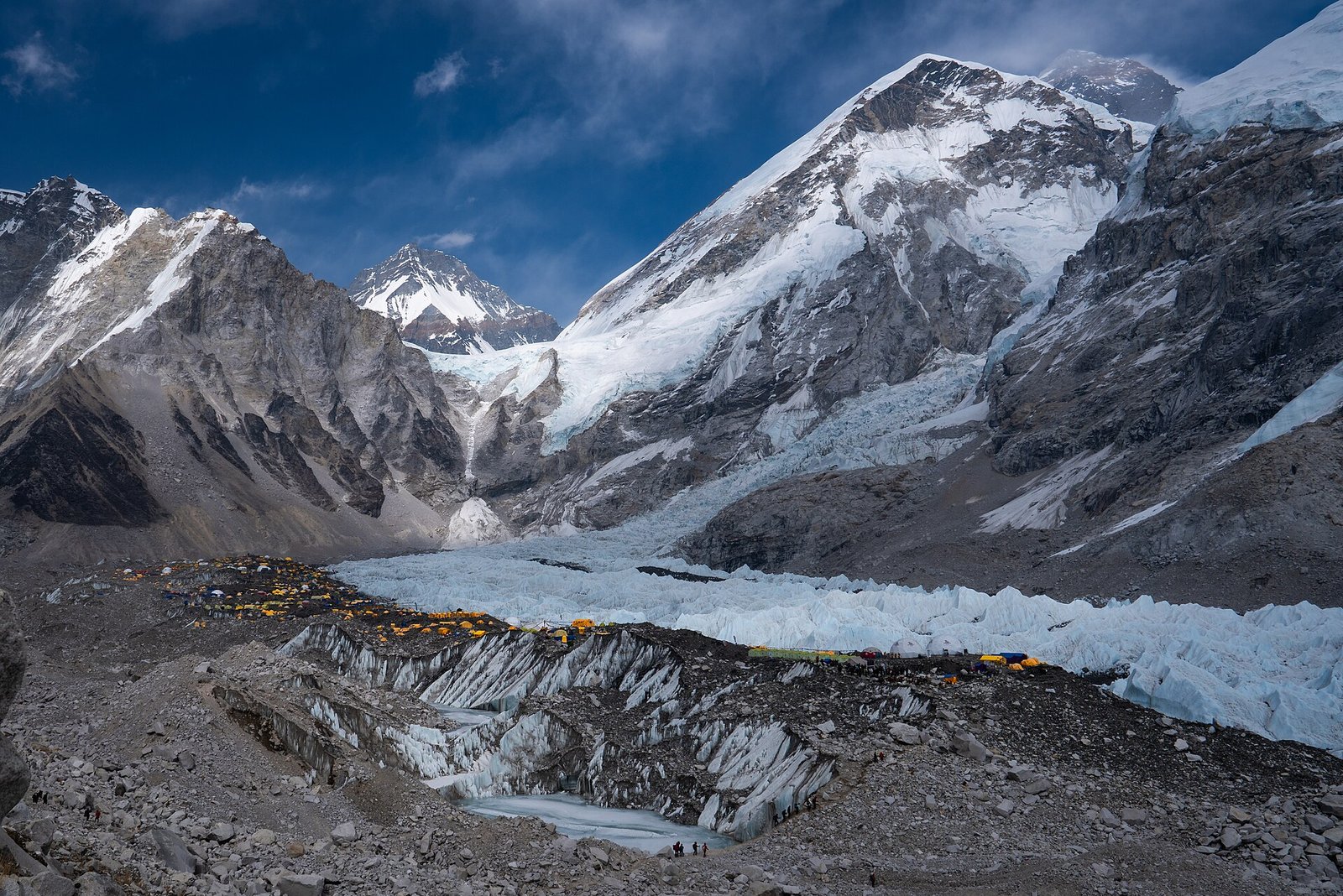
Everest Base Camp Trek Cost 2027: Permits, Flights, Operators and Budgets
Short answer: A guided Everest Base Camp trek in 2027 costs about $1,400–2,500 per person with a reputable Nepal-based operator, and $5,900–6,300 with an international operator such as Adventure Consultants. Prices cover 12–14 days with Lukla flights, permits, teahouse lodging and meals. On top of that, budget for international flights, the Nepal visa, insurance, tips and personal costs. Permits alone are NPR 6,000 (about US$45): NPR 3,000 for Sagarmatha National Park and NPR 3,000 for the Khumbu Pasang Lhamu Rural Municipality fee. A TIMS card is not required for the Khumbu. If you are wondering about the cost to climb Everest itself, rather than trek to base camp, see How much does it cost to climb Everest?.
Everest Base Camp trek cost 2027 at a glance
| Item | Cost (per person) | Source / note |
|---|---|---|
| Sagarmatha National Park entry | NPR 3,000 (foreigners); NPR 1,500 SAARC | Nepal Tourism Board, checked 22 Oct 2026 |
| Khumbu Pasang Lhamu Rural Municipality fee | NPR 3,000 (foreigners) | Municipality trek-card page; NPR 3,000 foreigners, NPR 2,000 SAARC and China, checked 23 Oct 2026 |
| TIMS card | Not required in the Khumbu | Replaced by the municipality fee in 2018 |
| Nepal tourist visa | $30 (15 days), $50 (30 days), $125 (90 days) | As listed on Ace the Himalaya's EBC page, checked 22 Oct 2026; confirm with Nepal's Department of Immigration |
| Guided 14-day trek, Nepal-based operator | $1,380–1,550 | Ace the Himalaya, by group size (link) |
| Guided trek, international operator | $5,950–6,250 | Adventure Consultants, 2027 departures (link) |
| Trek and stay at base camp | $5,995 | Climbing The Seven Summits (link) |
| Helicopter Kathmandu ↔ Lukla (optional) | about $450 each way | Ace the Himalaya extra |
| Tips | from about $300 | CTSS asks for a $300 Sherpa tip pool; Nepal-based treks vary |
USD figures for rupee fees are approximate and depend on the exchange rate. Permits are paid in Nepali rupees, usually in cash.
Permits: what you actually need in 2027
For the standard trek from Lukla you need two permits:
- Sagarmatha National Park entry permit: NPR 3,000 for foreign nationals, NPR 1,500 for SAARC nationals, free for children under 10. You can buy it in Kathmandu or at the Monjo park gate.
- Khumbu Pasang Lhamu Rural Municipality fee: NPR 3,000 for foreigners, collected at Lukla. The local municipality introduced this fee in 2018, replacing the TIMS card in the Khumbu.
You do not need a TIMS card for EBC. TIMS still applies on other treks, such as in the Annapurna region. If you walk in from Jiri or Shivalaya instead of flying to Lukla, you also need a Gaurishankar Conservation Area permit. Since April 2023, the Nepal Tourism Board has required foreign trekkers in national parks to use a licensed guide. This is one reason solo, unguided budgets from older blogs no longer apply. Ask your operator how the rule is handled in 2027.
What a package price includes
A typical Nepal-based EBC package includes:
- Lukla flights (or the Ramechhap–Lukla flight plus the road transfer in peak season)
- Permits
- A licensed guide, and a porter shared between two trekkers
- Teahouse rooms (usually twin-share)
- Three meals a day on the trek
- Airport transfers and often one or two Kathmandu hotel nights
It usually excludes international flights, the visa, insurance, tips, drinks, hot showers, phone charging, Wi-Fi, Kathmandu lunches and dinners, and sleeping-bag or down-jacket hire. Those extras can add several hundred dollars. Read the inclusions line by line.
International operators add a western or senior leader, smaller groups, fixed departures, more support before the trip, often better lodges, and their own medical protocols. That is most of the difference between $1,500 and $6,000. The trail, the teahouses and the views are the same.
Flights: Kathmandu, Ramechhap and Lukla
Lukla (2,860 m / 9,383 ft) is the usual start. In the spring and autumn peak seasons, many Lukla flights leave from Ramechhap (Manthali) instead of Kathmandu. That means a pre-dawn road transfer of several hours. Weather delays at Lukla are common, so build in one or two spare days. A helicopter can get around a run of cancelled flights. Ace the Himalaya lists it as an extra of about $450 per person each way, based on shared seats. Check whether your package price includes the Ramechhap transfer.
Daily costs on the trail
Package treks include meals and lodging. Independent costs on the trail rise with altitude, because everything above Namche arrives by porter or yak. Expect to pay extra for hot showers, battery charging, Wi-Fi cards and bottled or treated water. Treating your own water saves money and plastic. Bring enough Nepali rupees in cash from Kathmandu: ATMs in Namche Bazaar exist but are not always reliable, and there are none higher up.
Guides, porters and tips
Guide and porter wages are built into any guided package. Tips are not. They are customary and paid at the end of the trek, usually to each crew member individually or through a pool. CTSS, for example, asks for a $300 tip pool on its trek-and-stay trip. For Nepal-based treks, ask your operator for its recommended tipping range per guide and per porter, and budget it from the start. Porters on good treks carry a limited load, often two trekkers' duffels shared by one porter. Ask what the limit is.
Three EBC budgets for 2027
| Budget | Approx. total per person | What it looks like |
|---|---|---|
| Value | about $2,500–3,500 | Nepal-based operator package ($1,400–1,600), plus flights to Kathmandu, visa, insurance, tips and extras |
| Mid-range | about $3,500–5,000 | Nepal-based private trek or upgraded lodges, a helicopter one way, more buffer days |
| Premium | about $7,000–9,000+ | International operator ($5,950–6,250), plus international flights, insurance and tips |
These ranges are ExpedReview estimates that combine the operator prices above with typical traveller costs. International flights vary widely by where you start.
Top-rated EBC operators and their prices
These are the best-rated operators on verified EBC reviews (the full list is in Best Everest Base Camp Trek Operators 2027):
| # | Operator | Rating at Everest Base Camp | Reviews here | Latest review | ERTI |
|---|---|---|---|---|---|
| 1 | Adventure Consultants | ★ 5.00 | 8 | 26 Aug 2026 | ERTI 4.82 |
| 2 | Ace the Himalaya | ★ 5.00 | 7 | 5 Oct 2026 | ERTI 4.82 |
| 3 | Climbing The Seven Summits | ★ 5.00 | 7 | 14 May 2026 | ERTI 4.90 |
| 4 | Adventure Magic Treks and Expedition | ★ 5.00 | 6 | 28 Sep 2026 | ERTI 4.56 |
| 5 | Alpine Ramble | ★ 4.99 | 18 | 19 Jan 2026 | ERTI 4.74 |
| 6 | Ian Taylor Trekking | ★ 4.98 | 9 | 4 Feb 2025 | ERTI 4.62 |
The route: key altitudes
Lukla 2,860 m → Phakding 2,610 m → Namche Bazaar 3,440 m (11,286 ft) → Tengboche about 3,867 m (12,687 ft) → Dingboche 4,410 m → Lobuche 4,940 m → Gorak Shep 5,164 m → Everest Base Camp about 5,364 m (17,598 ft). Most treks also climb Kala Patthar (about 5,644 m / 18,519 ft). A standard itinerary has rest days in Namche and Dingboche.
Insurance: the cost people forget
Most EBC operators require travel insurance that covers trekking to about 5,500–6,000 m, including helicopter evacuation. Standard travel policies often stop at a lower altitude or exclude trekking altogether, so check the wording, not just the price. The cost depends on your age, where you live and how long you go for. Get a quote before you set your budget. A helicopter evacuation from the upper Khumbu costs thousands of dollars without cover, and a mild case of altitude sickness is a common reason for one.
Does the season change the price?
Package prices from most operators stay much the same through the year. Ace the Himalaya, for example, publishes one 2026–2027 price by group size. What changes with the season is how much extra you spend. In the peak months (October–November, April–May), lodges fill up, Ramechhap transfers are more likely, and weather delays can push you into extra Kathmandu nights. In winter and monsoon months, some higher lodges close, and flight cancellations are more frequent in the monsoon. A sensible budget includes two spare days of Kathmandu costs in any season.
Guided package or arranging it yourself?
Before 2023, many trekkers walked independently, paying for lodges on the trail and buying their own permits. That kept the trip under $1,000 plus flights. Nepal's licensed-guide rule changed the calculation. Even if you arrange flights and lodges yourself, you must hire and pay a licensed guide through an agency, and by then the difference from a package is small. A package from a well-reviewed operator also takes care of Lukla flight logistics, which on their own can eat several days if weather closes the airport.
What to ask before you pay a deposit
- Is the price per person for my exact group size, and in which currency?
- Are both permits and the Lukla (or Ramechhap) flights included?
- How many nights in Kathmandu are included, and at which hotel?
- What is the guide-to-trekker ratio and the porter load limit?
- What happens, and what does it cost, if flights to or from Lukla are cancelled?
- What is the refund or rebooking policy if I have to turn back early?
How to save money without cutting corners
- Join a fixed group departure. Per-person prices drop as group size rises. Ace's price falls from $1,550 solo to $1,380 for 10–14 people.
- Trek in the shoulder weeks (early March, late November) for easier bookings. Package prices change little, though.
- Bring your own sleeping bag and down jacket, or hire them in Kathmandu.
- Treat your own water instead of buying bottles.
- Don't cut acclimatisation days to save money. A rescue costs far more than a day's lodging.
Cost along the trail, day by day
The table below follows a standard 12-day itinerary and shows where your money goes on a guided package versus an independent, teahouse-by-teahouse budget. Altitudes are commonly published approximations. Independent costs are approximate ranges for a single trekker in a twin room and change every season (unverified; prices vary by lodge and rise with altitude).
| Day | Stage | Sleep altitude | Typical spend if not on a full-board package |
|---|---|---|---|
| 1 | Fly to Lukla (2,846 m), walk to Phakding | about 2,610 m | Lodge and three meals, about $25–40 |
| 2 | Phakding to Namche Bazaar; park permit checked at Monjo | about 3,440 m | $25–40, plus permit fees if not prepaid |
| 3 | Acclimatisation day in Namche | about 3,440 m | $25–40; bakeries and gear shops tempt |
| 4 | Namche to Tengboche | about 3,860 m | $30–45 |
| 5 | Tengboche to Dingboche | about 4,410 m | $30–50 |
| 6 | Acclimatisation day in Dingboche | about 4,410 m | $30–50 |
| 7 | Dingboche to Lobuche | about 4,940 m | $35–55 |
| 8 | Lobuche to Gorak Shep and Everest Base Camp (5,364 m) | about 5,164 m | $40–60 |
| 9 | Kala Patthar at dawn, down to Pheriche | about 4,240 m | $35–50 |
| 10 | Pheriche to Namche | about 3,440 m | $25–40 |
| 11 | Namche to Lukla | about 2,846 m | $25–40 |
| 12 | Fly to Kathmandu or Ramechhap | — | — |
On a full-board package, all of this is included except drinks, snacks, hot showers, charging and Wi-Fi. Those extras can easily reach $5–15 a day higher up.
What things cost in the teahouses
Everything above Lukla is carried in by porter, yak or helicopter, so prices rise as you climb. Broad patterns (unverified, ranges change each season):
- A plate of dal bhat costs noticeably more at Gorak Shep than in Phakding, often double.
- Bottled water gets expensive high up; bringing a filter or purification tablets and refilling from boiled or treated water saves money and plastic.
- Hot showers are often charged separately above Namche, and many trekkers skip them above Dingboche.
- Charging a phone or battery pack is usually charged per hour or per device higher up.
- Wi-Fi is often sold as a prepaid card that works across many Khumbu lodges.
Carry enough Nepali rupees in cash. Namche has ATMs, but they are not always reliable, and card payment is rare above Namche.
Price by season, month by month
Package prices from most operators are similar across the year, but availability, flight reliability and sometimes discounts change with the season.
| Month | Conditions | Effect on cost |
|---|---|---|
| January–February | Cold, clear, quiet | Some lodges closed higher up; occasional off-season discounts |
| March | Warming | Prices at normal levels |
| April | Peak spring; expedition season at base camp | High demand for flights and rooms; book early |
| May | Warm, pre-monsoon cloud | Normal |
| June–August | Monsoon; frequent flight cancellations | Discounts possible, but delays can add hotel nights |
| September | Monsoon ending late in the month | Normal |
| October | Peak autumn season | Highest demand; Lukla flights routed via Ramechhap |
| November | Clear and colder | High demand early, easing later |
| December | Cold and quiet | Fewer services higher up |
Flights and the Ramechhap factor
Most trekkers fly to Lukla, one of the world's best-known mountain airstrips. In the busy seasons many flights depart from Ramechhap (Manthali) rather than Kathmandu, which adds a long road transfer of several hours each way, often before dawn. Ask your operator whether the transfer is included and which airport your flights will use. Weather delays at Lukla can last days, so build at least one spare day into the trek and one or two before your international flight. A helicopter seat out of Lukla during a long delay is sometimes offered at extra cost.
Gear: buy, bring or rent?
You can do the trek with clothing many people already own, plus a few specialist items. Kathmandu's Thamel district has many shops that rent or sell trekking kit. Prices below are approximate retail ranges for new mid-range kit in US dollars (unverified).
| Item | Buy new (typical) | Rent in Kathmandu? |
|---|---|---|
| Trekking boots, broken in | $150–300 | Not advisable; bring your own |
| Sleeping bag, about −10 °C comfort | $200–450 | Yes, commonly |
| Down jacket | $150–350 | Yes, commonly |
| Waterproof shell jacket and trousers | $150–400 | Sometimes |
| Fleece and base layers | $100–300 total | Buy |
| Trekking poles | $50–150 | Yes |
| Daypack, 25–35 litres | $80–150 | Sometimes |
| Duffel bag for the porter | $50–120 | Often provided by the operator |
| Headtorch, sunglasses, water bottles, filter | $100–250 total | Buy |
If you are starting from scratch, a full new kit can cost $1,000–2,000. Renting the sleeping bag and down jacket saves several hundred dollars.
Altitude sickness: the cost of getting it wrong
The most expensive EBC trip is the one that ends in a helicopter. Acute mountain sickness is common from Dingboche upwards. Itineraries with acclimatisation days in Namche and Dingboche reduce the risk; a cheaper, shorter itinerary that skips them is a false economy. A good operator checks your health every day, carries a pulse oximeter and has a clear plan for descent. The Himalayan Rescue Association runs seasonal aid posts at Pheriche and at base camp in the climbing season.
Helicopter rescue and insurance costs
A helicopter evacuation from the upper Khumbu to Kathmandu can cost several thousand US dollars, and hospital care in Kathmandu adds more (unverified; prices vary by operator and distance). That is why your travel insurance must:
- cover trekking to at least 6,000 m (Kala Patthar is above 5,500 m);
- include helicopter search, rescue and evacuation;
- cover cancellation, curtailment and travel delay, because Lukla weather delays are common.
Specialist trekking insurance usually costs more than a standard holiday policy, but it is a small fraction of the cost of a rescue. Get quotes before you book flights.
Tipping: how much to budget
Tips are not usually included in package prices, and they are an important part of guides' and porters' income. Follow your operator's written guidance. As a planning figure, many trekkers budget around 10% of the trek price for tips, split between the guide and porters (unverified rule of thumb). Some international operators collect tips in advance as a pool; Climbing The Seven Summits lists a $300 Sherpa tip pool on its EBC Trek and Stay page (checked 22 Oct 2026). Pay tips in Nepali rupees, directly to each person, at the end of the trek.
Training costs and how to prepare cheaply
You do not need a gym membership to prepare for EBC. Eight to twelve weeks of regular walking, stair climbing and hill days with a loaded pack is enough for most reasonably active people. What is worth paying for:
- Boots, early. Buy them at least two months ahead and break them in on long walks.
- A travel-medicine appointment. Ask about vaccinations, altitude medication and any personal health issues.
- A practice weekend. Two consecutive long days on hills with your full daypack will tell you more than any gadget.
Visa, entry and other fixed costs
- Nepal tourist visa: $30 for 15 days, $50 for 30 days or $125 for 90 days, as listed by operators in October 2026 (check the Department of Immigration for current rates). Most EBC trips need the 30-day visa.
- Permits: NPR 3,000 for Sagarmatha National Park and NPR 3,000 for the Khumbu Pasang Lhamu Rural Municipality fee (see the table above). Your operator normally arranges both.
- Kathmandu hotel nights: before and after the trek, plus spare nights for delays.
- Airport transfers and a Ramechhap transfer if flights are routed there.
A complete cost checklist before you book
- Package price, and exactly what it includes (flights, permits, lodging, meals, guide, porter).
- Whether the Ramechhap road transfer is included.
- Drinks, snacks, showers, charging and Wi-Fi budget: about $5–15 a day extra higher up.
- Tips: follow your operator's guidance; around 10% of the trek price is a common planning figure.
- Visa, international flights and Kathmandu hotel nights, including spare nights.
- Specialist travel insurance covering 6,000 m and helicopter rescue.
- Gear you need to buy or rent.
- A contingency fund for flight delays or an early helicopter out.
- Verified EBC reviews of your operator on ExpedReview, and the date of the latest one.
Hidden costs people forget
The headline package price is rarely the full cost. Items that catch people out:
- Extra nights in Kathmandu after Lukla flight delays, plus rebooking fees on international flights.
- Airport and Ramechhap transfers if not included.
- Single-room supplements if you are travelling alone and don't want to share.
- Drinks, showers, charging and Wi-Fi higher up the valley, which add up over 12 days.
- Porter costs if your package includes a guide but not a porter, or shares one porter between two trekkers.
- Gear rental or last-minute purchases in Kathmandu or Namche.
- Tips, which are rarely included.
- Visa fees and, for some nationalities, onward travel costs.
Group, private and solo: how the price changes
Many Nepal-based operators price by group size. Ace the Himalaya, for example, lists its 14-day EBC trek at $1,550 per person for a solo trekker, falling to $1,380 per person for larger groups (checked 22 Oct 2026). A private trek with just your own party costs more per person than joining a scheduled group departure, but lets you set the pace and dates. International operators usually run fixed group departures with a set price.
Alternative routes and how they change the cost
- Gokyo Lakes: a quieter, slightly longer route via the turquoise lakes and Gokyo Ri. Costs are similar per day, but itineraries are usually a day or two longer.
- Gokyo plus Cho La to EBC: links the two valleys over the Cho La pass. Longer, more demanding and slightly more expensive.
- Three High Passes: crosses Kongma La, Cho La and Renjo La, typically about 18–21 days. More days means more lodging, food and guide wages.
- Helicopter return: saves three to four walking days but adds a significant fee; see the FAQ below.
- Walking in from Jiri or Salleri: avoids or reduces the Lukla flight and adds several days of lower-altitude walking. Cheaper transport, more days.
Cash, ATMs and payment
Most costs on the trail are paid in Nepali rupees, in cash. Kathmandu has plenty of ATMs and money changers; Lukla and Namche have a few ATMs, but withdrawal limits are low and machines sometimes run out. Bring enough cash for your extras and tips before you leave Kathmandu, and keep it split between your pockets, daypack and duffel. Many operators take deposits by bank transfer or card, sometimes with a card surcharge, and the balance on arrival.
Three sample totals (excluding international flights)
These examples combine a package price with the extras above. They are illustrative, using the prices listed on this page and approximate extras.
- Budget, Nepal-based group trek: package around $1,400–1,600, visa $50, extras $100–150, tips about $150–200, gear rental $50–100, insurance (varies by country). Total roughly $1,800–2,200 plus insurance.
- Mid-range, smaller group or private trek with a Nepal-based operator: package around $2,000–2,500, plus similar extras and tips. Total roughly $2,500–3,200 plus insurance.
- International operator: package around $5,900–6,300, plus tips (some collected as a pool), visa and extras. Total roughly $6,500–7,000 plus insurance.
Add international flights to Kathmandu, which vary widely by departure country and season.
Is a cheaper EBC trek worse?
Not necessarily. Many Nepal-based operators with strong verified reviews charge a fraction of what international companies charge, partly because they have lower overheads and partly because international operators add western leaders, smaller groups and more support before and after the trek. The trek, the trail and the lodges are largely the same.
What a very low price can mean is that something important has been cut. Things to check on any quote that looks unusually cheap:
- Days. A 10-day itinerary with only one acclimatisation day costs less but carries a higher altitude risk.
- Guide and porter wages. Ask what the guide and porters are paid and whether they are insured. Nepal requires insurance for trekking workers.
- Porter loads. A single porter shared between two trekkers with a heavy combined load is a common cost-cutting move.
- Flights. Some low prices exclude Lukla flights or the Ramechhap transfer.
- Lodging standard. Basic rooms are fine, but check whether the cheaper price uses lodges with attached bathrooms lower down, or not.
- Emergency plan. Ask what happens if you get sick, and who pays for what.
A fair price is one that covers all of these properly. The cheapest quote is rarely the best value once you add the extras and the risk of things going wrong; compare written quotes line by line instead.
When to book and how payment usually works
For April and October, the two busiest months, book three to six months ahead to get your choice of dates, flights and lodges. Shoulder months such as March, May and November usually need less notice. Most operators take a deposit when you book and the balance either some weeks before departure or on arrival in Kathmandu. Read the cancellation terms carefully, especially for weather-related flight problems, and check that your insurance covers cancellation for the reasons that matter to you.
Common budgeting mistakes
- Using last year's prices. Permit fees and package prices change. Check every figure against the operator's current price page and the official fee pages.
- Forgetting spare days. Every extra night in Kathmandu after a Lukla delay costs money. Budget for at least one.
- Not carrying enough cash. Cards are rarely accepted above Namche, and ATMs there can run dry.
- Skimping on insurance. A policy that stops at 4,000 or 5,000 m will not cover you at Gorak Shep or Kala Patthar.
- Leaving tips out of the budget. Tips are expected and are an important part of crew income.
- Buying all new gear. Rent the sleeping bag and down jacket in Kathmandu if you will not use them again.
What the cost buys you in practice
It helps to think of the price in terms of what keeps you safe and comfortable. The permits and the Lukla flight are fixed. The lodges and the food on the trail are similar whoever you book with, because most operators use the same family-run teahouses. Where the money actually goes, and where operators differ, is in the people: the experience and training of your guide, whether you have a dedicated porter, how many trekkers each guide looks after, and how much support there is if something goes wrong. A higher price from a well-reviewed international operator mostly buys a western leader, a smaller ratio, more spare days and more help with logistics. A lower price from a well-reviewed Nepal-based operator buys the same trail with a local team. Both can be excellent. Read the verified reviews for the operator you are considering and look for what past trekkers say about the guide and about how problems were handled, because that is where your money makes the most difference.
Related guides
- How much does it cost to climb Everest?
- Best Everest Base Camp Trek Operators 2027
- Best Ama Dablam Operators 2027
- Best Kilimanjaro Operators 2027
- Kilimanjaro Routes Compared
FAQ
How much does it cost to climb Everest Base Camp?
A guided Everest Base Camp trek costs about $1,400–2,500 with a Nepal-based operator and about $5,900–6,300 with an international operator in 2027, before international flights, the visa, insurance and tips. Trekking to base camp is very different from climbing Everest itself. For that, see the Everest cost guide.
How much are Everest Base Camp permits in 2027?
Two permits: Sagarmatha National Park (NPR 3,000 for foreigners) and the Khumbu Pasang Lhamu Rural Municipality fee (NPR 3,000). That is NPR 6,000 in total, about US$45. TIMS is not required.
Do I need a TIMS card for Everest Base Camp?
No. Since 2018 the Khumbu Pasang Lhamu Rural Municipality fee has replaced TIMS in the Everest region.
How much does Elite Exped charge for Everest Base Camp?
Elite Exped did not have Everest Base Camp trek reviews on ExpedReview, and we did not verify its EBC price on 22 Oct 2026. Ask the operator directly for a written, itemised quote.
How much should I tip on the Everest Base Camp trek?
Tips are customary and paid at the end. For example, Climbing The Seven Summits asks for a $300 tip pool on its EBC trip. Ask your operator for its recommended amounts for guides and porters.
Is the Everest Base Camp trek expensive?
Compared with most treks, the flights to Lukla and the guide requirement add cost. A 12–14 day guided trek with a well-reviewed Nepal-based operator starts at about $1,400 per person.
How much is a helicopter from Lukla to Kathmandu?
Ace the Himalaya lists an optional helicopter transfer between Kathmandu and Lukla at about $450 per person each way on a shared basis (checked 22 Oct 2026). Private charters cost more.
How much does the Everest Base Camp trek cost?
A guided EBC trek in 2027 costs about $1,400–2,500 per person with a reputable Nepal-based operator and about $5,900–6,300 with an international operator such as Adventure Consultants, before international flights, visa, insurance and tips.
What is the cost to climb Everest Base Camp?
Reaching Everest Base Camp is a trek, not a climb. A guided trek costs about $1,400–2,500 with Nepal-based operators. Permits are NPR 6,000 (about $45) in total.
How much does it cost to hike to Mount Everest Base Camp?
Expect about $1,400–2,500 for a guided package from a Nepal-based operator, plus around $1,000–2,500 for international flights, visa, insurance, tips and extras, depending on where you fly from.
How much are Everest Base Camp permits?
You need the Sagarmatha National Park entry permit (NPR 3,000 for foreigners) and the Khumbu Pasang Lhamu Rural Municipality fee (NPR 3,000). A TIMS card is not required in the Khumbu.
Do you need a TIMS card for Everest Base Camp?
No. The TIMS card is not required for the Khumbu region; it was replaced by the Khumbu Pasang Lhamu Rural Municipality fee.
How much is a Lukla flight?
Lukla flights are usually included in guided packages. If you book separately, prices vary by season and departure airport; ask your operator for the current fare and whether flights leave from Kathmandu or Ramechhap.
How much does a helicopter from Everest Base Camp cost?
Some operators sell a helicopter return from Gorak Shep or base camp; Ace the Himalaya lists $450 each way as an add-on (checked 22 Oct 2026). Medical evacuations are charged separately and cost much more.
How much should I budget per day on the Everest Base Camp trek?
If your package includes lodging and meals, budget around $5–15 a day for drinks, snacks, showers, charging and Wi-Fi. Independent trekkers paying for everything spend roughly $25–60 a day, rising with altitude.
How much do you tip on the Everest Base Camp trek?
Follow your operator's written guidance. A common planning figure is around 10% of the trek price, split between guide and porters, paid in Nepali rupees at the end.
Is it cheaper to do Everest Base Camp without a guide?
It can be cheaper, but Nepal introduced a rule in April 2023 requiring foreign trekkers to hire a licensed guide in national parks and conservation areas, and application in the Khumbu has varied. Check the current rule before you plan an independent trek.
What is the cheapest time to trek to Everest Base Camp?
The monsoon (June to August) and mid-winter (December to February) are the quietest periods and sometimes cheaper, but they bring flight delays, cloud or severe cold.
How much does Adventure Consultants charge for the Everest Base Camp trek?
Adventure Consultants lists its 2027 EBC trek at $6,250 for March/April departures and $5,950 for October (checked 22 Oct 2026).
How much does it cost to go to Everest Base Camp vs climbing Everest?
An EBC trek costs a few thousand dollars in total. Climbing Everest itself costs from roughly $40,000 to over $100,000; see How much does it cost to climb Everest?.
Do I need travel insurance for the Everest Base Camp trek?
Yes. Choose a policy covering trekking to at least 6,000 m with helicopter evacuation and medical repatriation. Without it, a single rescue can cost more than the whole trip.
Related articles
- How to choose a guide
- Best operators
- Everest Base Camp Trek Guide 2026: Itinerary, Permits, Best Time, Altitude and Operators
Everything to know before trekking to Everest Base Camp: how long it takes, the day-by-day itinerary, permits and fees, Lukla and Ramechhap flights, best months, altitude sickness, fitness, gear and top-rated operators.