Everest Base Camp Trek Guide 2026: Itinerary, Permits, Best Time, Altitude and Operators
The Everest Base Camp (EBC) trek is a roughly 12 to 14 day round trip from Lukla (2,846 m) to Everest South Base Camp (5,364 m) in Nepal's Khumbu region, usually including a side trip up Kala Patthar (about 5,545–5,645 m) for the classic view of Everest. No climbing skills are needed, but you need good fitness and a slow itinerary with acclimatisation days to manage the altitude. The best seasons are spring (March to May) and autumn (late September to November). Foreign trekkers pay NPR 3,000 for Sagarmatha National Park entry and NPR 3,000 for the Khumbu Pasang Lhamu Rural Municipality trek card (NPR 2,000 for SAARC and Chinese nationals). Unlike most of Nepal's trekking regions, the Khumbu is exempt from Nepal's mandatory-guide rule for trekkers, but most first-timers still go with a guide or operator. ExpedReview's Everest Base Camp trek rankings list operators by verified climber reviews.
EBC trek at a glance | Fact | Detail | |---|---| | Start and finish | Lukla (2,846 m) | | High point | Kala Patthar (about 5,545–5,645 m; sources differ) | | Base Camp altitude | 5,364 m (South Base Camp) | | Typical duration | 12–14 days from Lukla and back | | Difficulty | Non-technical; altitude is the main challenge | | Best seasons | March–May; late September–November | | Park entry fee | NPR 3,000 (foreigners) | | Local trek card | NPR 3,000 (foreigners); NPR 2,000 (SAARC and Chinese nationals) | | Guide required? | No, the Khumbu is exempt from the mandatory-guide rule | | Accommodation | Teahouses (lodges) |
Where is Everest Base Camp?
Everest has two base camps. South Base Camp, in Nepal, sits at 5,364 m on the Khumbu Glacier and is the destination of the classic trek. North Base Camp, in Tibet, is at about 5,150–5,200 m and can be reached by road. This guide covers the Nepal side.
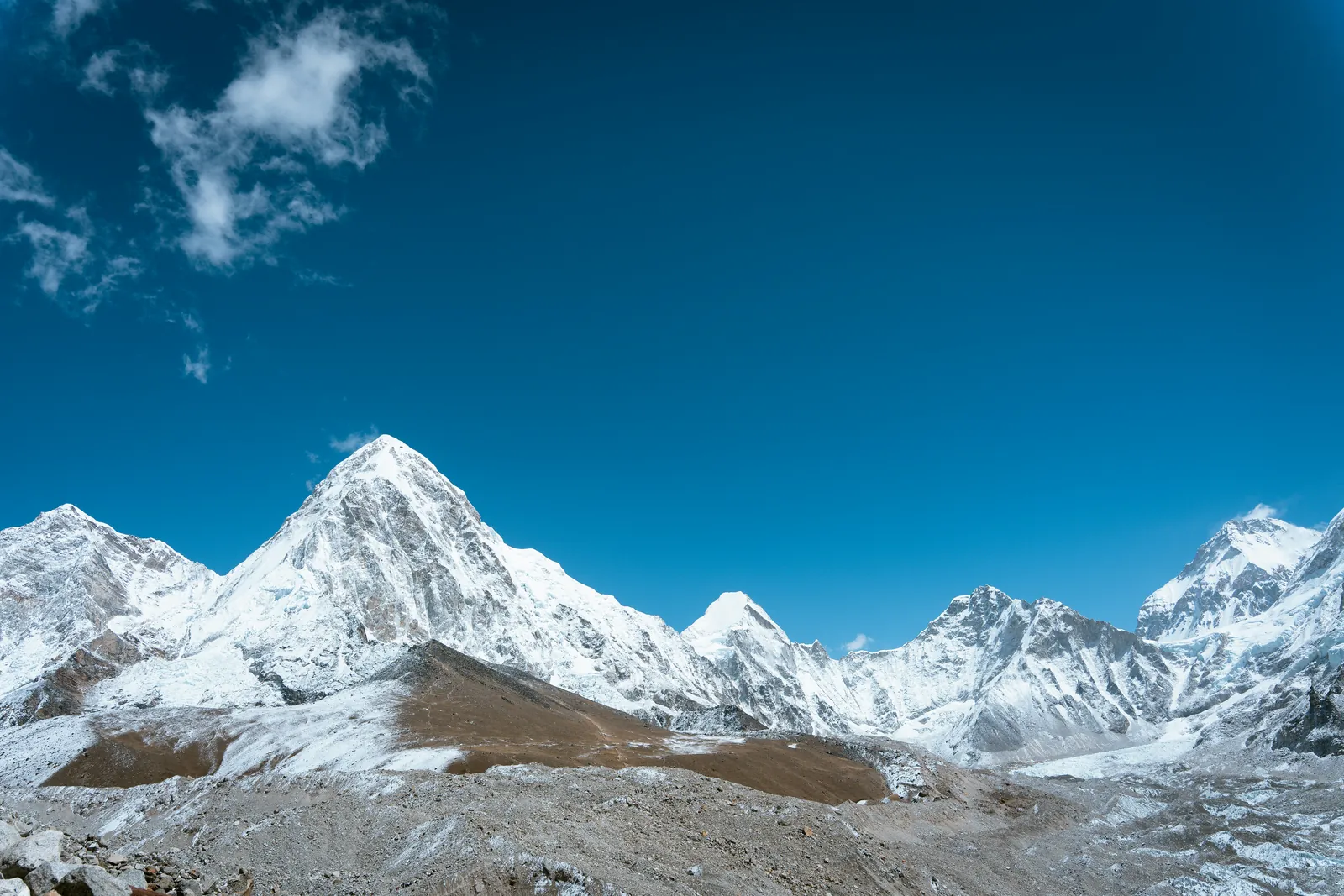
The trek runs through the Khumbu region inside Sagarmatha National Park, a UNESCO World Heritage Site and the home of the Sherpa people. Along the way you pass Buddhist monasteries, prayer wheels, suspension bridges and views of Ama Dablam, Lhotse, Nuptse and Everest itself.
How do you get to the start?
Almost every trek starts with a short flight to Lukla's Tenzing-Hillary Airport, famous for its short, sloping runway. In the busy seasons, Nepal's authorities have moved Lukla flights from Kathmandu to Ramechhap (Manthali) airport, a drive of several hours from Kathmandu, to reduce congestion. This change has applied in peak seasons since 1 October 2023, so check with your operator where your flight departs.
Flights depend on the weather and are often delayed or cancelled. Build at least one or two spare days into your plans. Some trekkers fly by helicopter when fixed-wing flights are grounded, at extra cost.
An alternative is to walk in from Jiri or Salleri (Phaplu), which adds several days but helps acclimatisation.
Typical EBC itinerary
Most itineraries follow a similar pattern. Altitudes below are approximate, and published figures vary.
| Day | Route | Approx. sleeping altitude |
|---|---|---|
| 1 | Fly to Lukla, trek to Phakding | ~2,600 m |
| 2 | Phakding to Namche Bazaar | 3,440 m |
| 3 | Acclimatisation day in Namche | 3,440 m |
| 4 | Namche to Tengboche | ~3,850 m |
| 5 | Tengboche to Dingboche | ~4,260–4,410 m |
| 6 | Acclimatisation day in Dingboche | ~4,260–4,410 m |
| 7 | Dingboche to Lobuche | ~4,900 m |
| 8 | Lobuche to Gorak Shep, visit Base Camp | ~5,150 m |
| 9 | Kala Patthar at sunrise, descend to Pheriche | ~4,250 m |
| 10 | Pheriche to Namche | 3,440 m |
| 11 | Namche to Lukla | 2,846 m |
| 12 | Fly to Kathmandu or Ramechhap | — |
Longer itineraries add days for weather, a detour via the Gokyo Lakes, or the Three Passes. Shorter itineraries save days by cutting acclimatisation, which increases the risk of altitude sickness.
Alternative routes and add-ons
| Option | What it adds | Extra time (approx.) |
|---|---|---|
| Gokyo Lakes and Gokyo Ri | Turquoise glacial lakes and one of the best views of Everest, Cho Oyu and the Ngozumpa Glacier | Several days |
| Cho La pass | Links Gokyo with the main EBC trail; a high, glaciated pass that can need microspikes | 1–2 days |
| Three Passes trek | Crosses Kongma La, Cho La and Renjo La; a tougher, longer circuit | About a week more than standard EBC |
| Walk in from Jiri or Salleri | Avoids the Lukla flight and gives a gentler acclimatisation | Several days |
| Helicopter return | Flies out from Gorak Shep or Pheriche | Saves 2–3 days, at extra cost |
Combining Gokyo and EBC via the Cho La is a popular choice for fit trekkers who want fewer crowds and bigger views. It requires more experience, especially early or late in the season when the pass can be icy.
What a day on the trail looks like
Most days start with breakfast at around 7am, then a walk of about 3 to 4 hours before lunch at a teahouse along the way. Afternoons are short walks to the next village, often finishing by early afternoon, when cloud tends to build. Evenings are spent around the stove in the dining room. At higher altitudes nights are cold, often well below freezing, and sleep can be disturbed by the altitude. Walking slowly and steadily, at a pace where you can still talk, is the best way to arrive feeling well.
Money, connectivity and insurance
- Cash: Carry enough Nepali rupees. There are ATMs in Lukla and Namche Bazaar, but they are not always reliable, and cards are rarely accepted higher up.
- Connectivity: Mobile coverage is patchy above Namche. Many lodges sell Wi-Fi, and a local data SIM works in parts of the valley.
- Charging: Lodges charge for battery charging, and the price rises with altitude. A power bank helps.
- Insurance: Make sure your policy covers trekking above 5,500 m and helicopter evacuation, and carry the policy details with you.
- Tipping: Tipping guides and porters at the end of the trek is customary. Agree an approach with your group and operator.
When is the best time to trek to Everest Base Camp?
| Season | Months | Conditions |
|---|---|---|
| Spring | March–May | Popular; warming temperatures, rhododendrons in bloom, Everest expedition season at Base Camp |
| Monsoon | June–mid-September | Rain, cloud, leeches at lower altitudes; flights often disrupted |
| Autumn | Late September–November | Most popular; clear skies after the monsoon, cold nights |
| Winter | December–February | Very cold, quieter trails, some lodges close |
Spring offers the chance to see the tents of the Everest expedition camp. In autumn, Base Camp is mostly empty but views are typically at their clearest.
Permits and fees
| Fee | Amount (foreigners) | Where to pay |
|---|---|---|
| Sagarmatha National Park entry | NPR 3,000 | Kathmandu (Nepal Tourism Board) or Monjo entry gate |
| Khumbu Pasang Lhamu Rural Municipality trek card | NPR 3,000 (NPR 2,000 for SAARC and Chinese nationals) | Lukla or Monjo |
| Gaurishankar Conservation Area permit | Only if walking in from Jiri | Kathmandu |
The TIMS card is generally not required in the Khumbu. The rules change often, so confirm current fees with your operator or the Nepal Tourism Board before you go. For a full budget, see ExpedReview's Everest Base Camp trek cost guide.
Do you need a guide?
Since April 2023, Nepal has required foreign trekkers in most national parks and conservation areas to hire a licensed guide. The Khumbu local government has not enforced this rule, and the Everest region remains open to independent trekkers with a local trek card.
Going without a guide is cheaper, and the trail is well-trodden. A guide or operator adds safety, local knowledge, help with altitude problems, and support if flights are cancelled. Porters carry your main bag and are an important source of local income.
Altitude sickness
Altitude is the biggest risk on the EBC trek. Acute mountain sickness (AMS) can affect anyone, regardless of fitness. Symptoms include headache, nausea, fatigue, dizziness and poor sleep. In severe cases, AMS can progress to high-altitude pulmonary oedema (HAPE) or high-altitude cerebral oedema (HACE), which are life-threatening.
- Ascend slowly. Above 3,000 m, aim to increase your sleeping altitude gradually and take rest days.
- Use acclimatisation days in Namche and Dingboche for short hikes higher, then sleep lower.
- Drink enough fluids and avoid alcohol at altitude.
- Never ascend with symptoms. If symptoms worsen, descend.
- Talk to your doctor about acetazolamide (Diamox) before the trip.
The Himalayan Rescue Association runs seasonal aid posts at Pheriche and Everest Base Camp. Make sure your travel insurance covers trekking up to at least 6,000 m and helicopter evacuation.
How fit do you need to be?
You do not need climbing experience, but you will walk about 5 to 8 hours on most days, often on steep, rocky trails. Train for several months with long hikes carrying a daypack, hill and stair work, and cardio. ExpedReview's beginner's guide to mountaineering covers general fitness training.
Accommodation and food
Trekkers stay in teahouses, simple lodges with twin rooms and shared dining rooms heated by a stove. Higher up, rooms are basic and cold, and showers, charging and Wi-Fi cost extra. Typical food includes dal bhat, noodles, momos and potatoes. Prices rise with altitude because everything is carried up by porters or yaks.
What to pack
| Category | Essentials |
|---|---|
| Clothing | Base layers, fleece, down jacket, waterproof shell, warm hat, gloves |
| Footwear | Broken-in hiking boots, camp shoes, good socks |
| Sleeping | Sleeping bag rated well below freezing |
| Sun protection | Sunglasses, sunscreen, lip balm, sun hat |
| Health | First-aid kit, water purification, personal medication |
| Other | Headtorch, trekking poles, power bank, cash in rupees |
UV is intense at altitude. See ExpedReview's guide to sun protection in the mountains.
Choosing an EBC trek operator
Prices range from budget local operators to premium international companies. Compare group size, acclimatisation days, guide qualifications, flight contingency plans and what the price includes. Data below is from ExpedReview climber reviews, minimum two reviews, data as of 22 October 2026.
| Operator | ER rating | Reviews |
|---|---|---|
| Alpine Ramble | 5.0 | 18 |
| Ian Taylor Trekking | 5.0 | 9 |
| Adventure Consultants | 5.0 | 8 |
| Climbing the Seven Summits | 5.0 | 7 |
| Ace the Himalaya | 5.0 | 7 |
| Adventure Magic | 5.0 | 6 |
| Dream Himalaya | 5.0 | 5 |
| Summitclimb | 4.9 | 5 |
| The Mountain Company | 4.8 | 9 |
See the full, current list on the EBC trek rankings page. If you want to climb rather than trek, see Ama Dablam and Everest.
Respecting the Khumbu
The Khumbu is home to Sherpa communities and a sacred landscape. Walk clockwise around stupas and mani walls, ask before photographing people, carry out your rubbish and use refillable bottles. The waste problem on Everest itself is covered in our article on Everest's poo bags.
Frequently asked questions
How long does it take to trek to Everest Base Camp?
Usually 12 to 14 days from Lukla and back, including acclimatisation days.
How high is Everest Base Camp?
South Base Camp in Nepal is at 5,364 m. Kala Patthar, the usual viewpoint, is higher, at about 5,545–5,645 m.
Do you need a guide for the Everest Base Camp trek?
No. The Khumbu is exempt from Nepal's mandatory-guide rule for trekkers, but many first-timers still use a guide.
What permits do you need for Everest Base Camp?
A Sagarmatha National Park entry permit (NPR 3,000 for foreigners) and the Khumbu Pasang Lhamu Rural Municipality trek card (NPR 3,000, or NPR 2,000 for SAARC and Chinese nationals).
When is the best time to trek to Everest Base Camp?
Spring (March to May) and autumn (late September to November).
Can a beginner trek to Everest Base Camp?
Yes, with good fitness and a sensible itinerary. No technical skills are needed.
Can you see Everest from Base Camp?
Only partly. The best view of Everest is from Kala Patthar.
Where do flights to Lukla leave from?
From Kathmandu, but in peak seasons flights have been moved to Ramechhap (Manthali) since October 2023. Check with your operator.
What is the biggest risk on the EBC trek?
Altitude sickness. Ascend slowly, take acclimatisation days and descend if symptoms worsen.
Is the Gokyo trek better than Everest Base Camp?
Gokyo is quieter and offers arguably better views of Everest from Gokyo Ri. Many trekkers combine both via the Cho La pass.
Are there ATMs on the Everest Base Camp trek?
Yes, in Lukla and Namche Bazaar, but they can be unreliable. Bring enough cash in rupees.
Related articles
- How to choose a guide
- Best operators
- Everest Base Camp Trek Cost 2027: Permits, Flights, Operators and Budgets ($1,400–2,500)
Listed EBC trek prices on ExpedReview, the two permits every trekker needs, and the best-reviewed trekking operators.