What Is Solo Climbing? Free Solo, Rope Solo and Solo Mountaineering Explained
By Blake Penson · December 19, 2024
Category: mountaineering-basics
7 min read
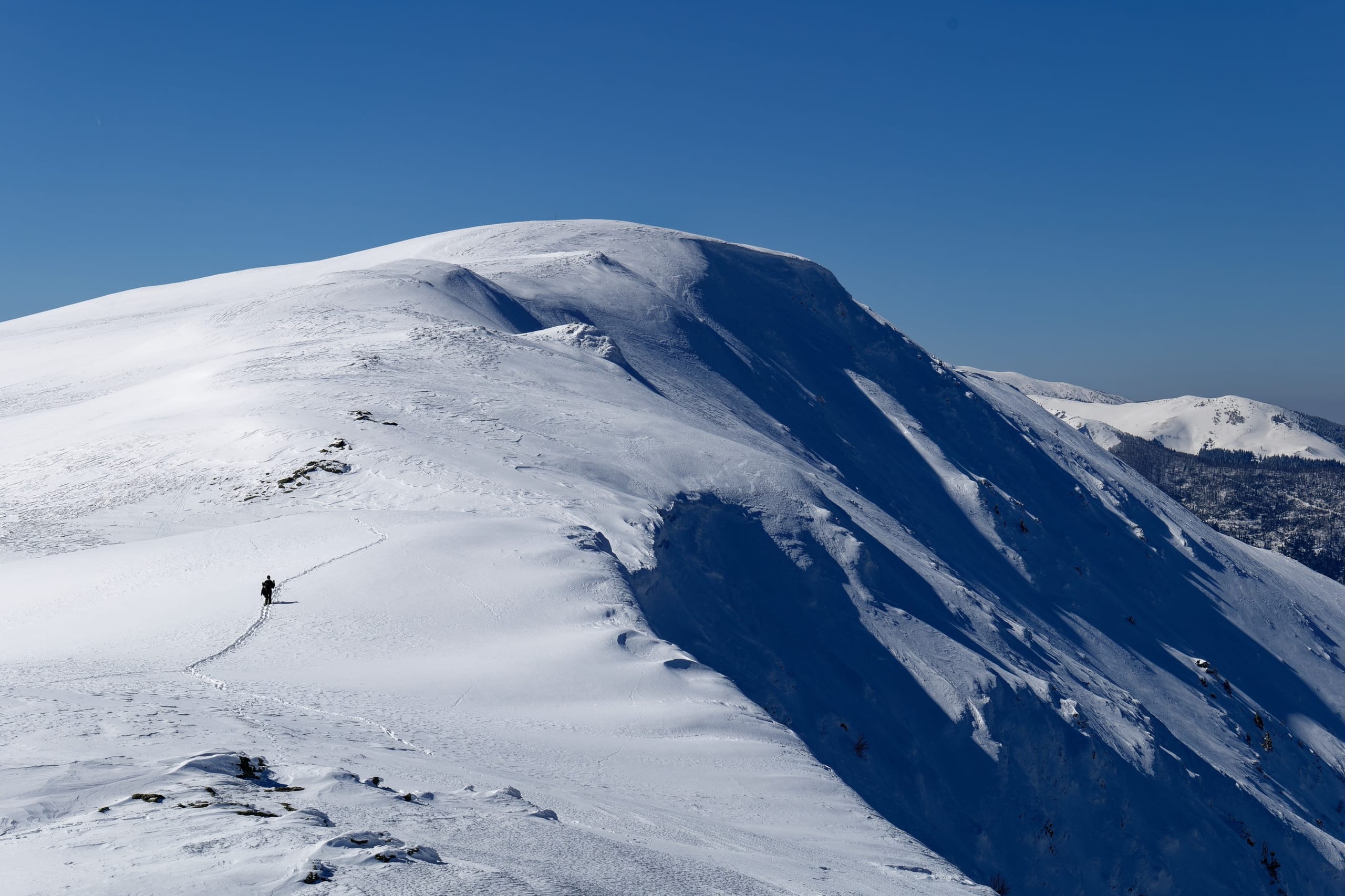
Solo climbing simply means climbing alone, without a partner. There are three main forms. Free soloing is climbing with no rope or protection at all, as Alex Honnold did on El Capitan on 3 June 2017, in 3 hours 56 minutes. Rope soloing means climbing alone but protected by a self-belay system. Solo mountaineering means climbing a mountain without a partner, often without help from fixed ropes, porters or other teams. In high-altitude climbing, the purest solo ascents are made alone, in alpine style, without supplemental oxygen or help on the mountain, like Reinhold Messner's solo ascent of Everest on 20 August 1980. Many climbs described as "solo" today are really climbs without a personal partner on routes prepared by others, which is why the word causes so much debate. In Nepal, solo expeditions on peaks above 8,000 m are now banned outright.
This guide explains what solo climbing really means, the different types, the most famous solo ascents, how solo climbing works at high altitude, the rules, the risks, and how to think about "solo" claims.
| Term | Meaning |
|---|---|
| Solo climbing | Climbing alone, without a partner |
| Free solo | Climbing alone with no rope or protection; a fall is usually fatal |
| Rope solo (self-belay) | Climbing alone, protected by a rope and self-belay device |
| Solo aid climbing | Climbing alone using gear placed for upward progress, with a self-belay |
| Deep-water solo (DWS) | Climbing without ropes above deep water, which acts as the landing |
| Solo mountaineering | Climbing a mountain alone, without a partner |
| Solo, unsupported | Alone, without fixed ropes, porters, Sherpas or pre-placed camps |
| Alpine style | Climbing in one push, carrying all gear, without fixed camps or ropes |
| Free climbing | Climbing using only hands and feet for progress (ropes only for safety) — not the same as free solo |
What is solo climbing?
At its simplest, a climber is "soloing" when there is no partner. That covers a huge range of activity: an experienced hillwalker scrambling alone up an easy ridge, a rock climber self-belaying on a big wall, an alpinist climbing a frozen north face in a single push, and a professional climber attempting an 8,000-metre peak without companions.
What these share is responsibility. With no partner, there is nobody to hold a fall, share the load, check your knots, help you if you are injured, or talk you out of a bad decision. That is why solo climbing is respected, and why it is so dangerous.
Free solo vs free climbing: what is the difference?
The two terms are often confused:
- Free climbing means using only your hands and feet to make progress. You still use a rope and protection, but only to catch you if you fall. Most rock climbing today is free climbing.
- Free soloing means free climbing alone and without any rope or protection. If you fall, there is nothing to stop you.
So every free solo is a free climb, but very few free climbs are free solos.
What is it called when you climb a mountain without ropes? On rock it is free soloing. On easier mountain terrain, climbing unroped is often called scrambling or simply soloing. Many mountaineers climb easy snow and rock ridges unroped because a rope would slow them down without adding much safety, but on steep or exposed ground the consequences of a slip are the same as in free soloing.
Rope soloing and solo aid
Rope soloing lets a climber protect themselves without a partner. The climber anchors the rope at the bottom, ties in, and feeds it through a self-belay device as they climb, placing protection on the way. After each pitch, they fix the rope, descend to remove the gear and then climb back up the rope. That means climbing every pitch roughly three times, which is why rope soloing is slow and exhausting.
Big-wall climbers use the same approach for solo aid ascents of routes like those on El Capitan, sometimes spending many days alone on the wall.
What does "solo" mean in high-altitude mountaineering?
At altitude, "solo" usually means climbing the mountain without a climbing partner. But a climber can be alone on the summit ridge and still have had a lot of help:
| Level of support | Example | Is it "solo"? |
|---|---|---|
| Alone, alpine style, no fixed ropes, no oxygen, no support above base camp | Messner on Everest, 1980 | The purest form of solo |
| Alone on the route, no oxygen, but using ropes and tracks laid by other teams | Many modern "solo" ascents on popular 8,000ers | Solo in the sense of no partner, but supported by others' work |
| Alone with no partner but with a cook or base camp staff | Common on small expeditions | Usually still described as solo on the mountain |
| On a commercial permit with Sherpa support and oxygen, summiting without a client partner | Some "solo" claims | Not considered solo by most climbers |
The mountaineering community generally expects climbers to say exactly what support they used. Honest reporting of oxygen use, fixed ropes, Sherpa help and helicopter transport matters, because records and reputations depend on it. Our article on finding the true summits of the 8,000ers explores similar debates about what counts as a summit.
Alpine style vs expedition style
"Solo" is often confused with alpine style, which describes how a team climbs rather than how many people are in it:
- Expedition style: fixed ropes, stocked camps, multiple carries and usually porters or Sherpas. Most commercial climbs of Everest and other 8,000ers are expedition style.
- Alpine style: a small team, or one climber, carries everything and climbs in a single push, without fixed camps or ropes.
A climber can be solo and expedition style (rare), or a team of two and alpine style (common). The most committing ascents in history are both solo and alpine style. Read more in the difference between mountaineering and alpinism.
The most famous solo climbs
Hermann Buhl, Nanga Parbat, 1953
On 3 July 1953, Austria's Hermann Buhl reached the summit of Nanga Parbat (8,126 m) in Pakistan alone, after his partner turned back. He climbed without supplemental oxygen and survived an unplanned night standing on a narrow ledge on the descent. It remains the only first ascent of an 8,000er made solo. Read about Pakistan's mountains.
Reinhold Messner, Everest, 1980
On 20 August 1980, during the monsoon, Reinhold Messner reached the summit of Everest alone, from the Tibetan side, without supplemental oxygen and without support above his advanced base camp. He climbed via the North Col and then across the North Face into the Great Couloir. Guinness World Records lists it as the first solo summit of Everest. It is widely regarded as one of the greatest achievements in mountaineering.
Ueli Steck, Annapurna South Face, 2013
In October 2013, Swiss climber Ueli Steck climbed the huge south face of Annapurna alone, reporting a round trip of 28 hours from the bergschrund. The climb won wide acclaim, including a Piolet d'Or, but was also questioned because he had lost his camera and had no summit photo or GPS track. It illustrates how hard solo claims can be to verify.
Alex Honnold, El Capitan, 2017
On 3 June 2017, American Alex Honnold free-soloed the Freerider route on El Capitan in Yosemite, about 900 m of granite, in 3 hours 56 minutes, with no rope. The ascent, filmed for the Oscar-winning documentary Free Solo, is regarded as the greatest free solo in rock climbing history.
Jost Kobusch, Everest West Ridge, winter 2024
Germany's Jost Kobusch has spent several winters attempting Everest alone, without oxygen, via the rarely climbed West Ridge from Nepal. On 27 December 2024 he reached a high point of about 7,537 m (by his watch altimeter; his GPS tracker recorded 7,488 m) before turning back. His project shows how solo high-altitude climbing continues today, under ever stricter regulations.
Other notable solo ascents
| Year | Climber | Climb |
|---|---|---|
| 1953 | Hermann Buhl | Nanga Parbat, final push alone (first ascent) |
| 1980 | Reinhold Messner | Everest, solo, no oxygen |
| 2013 | Ueli Steck | Annapurna South Face (reported) |
| 2017 | Alex Honnold | El Capitan (Freerider), free solo |
| 2024 | Jost Kobusch | Everest West Ridge winter solo attempt to ~7,537 m |
Bill Denz
New Zealand climber Bill Denz is often mentioned in discussions of bold, committing alpinism. A leading figure in New Zealand climbing in the 1970s and early 1980s, he was known for hard and serious routes. He died on 3 October 1983 on a New Zealand expedition to the west pillar of Makalu, led by Peter Hillary, when a windslab avalanche swept him away as he descended between Camp 2 and Camp 1. His body was never found.
A short history of solo climbing
Climbing alone is as old as mountaineering itself. Shepherds, hunters and surveyors climbed alone long before climbing became a sport. In the early 20th century, the Austrian climber Paul Preuss became the great champion of a pure style. He argued that climbers should only climb what they could climb without artificial aids, and he made many bold unroped ascents in the Alps before dying in a fall in 1913. His ideas still shape debates about style today.
After the Second World War, solo climbing pushed into bigger terrain. Hermann Buhl's lone summit of Nanga Parbat in 1953 showed what a single climber could do at 8,000 m. In the Alps, climbers began soloing great north faces, first in summer and later in winter. In the 1970s and 1980s, Reinhold Messner and others brought the solo, alpine-style approach to the Himalaya, culminating in his 1980 Everest ascent.
In rock climbing, free soloing grew alongside the free-climbing revolution of the 1970s in Yosemite and elsewhere, and reached a global audience with Alex Honnold's El Capitan climb in 2017. In the Alps, speed soloing of classic faces by climbers such as Ueli Steck turned solo climbing into something closer to a race against the clock.
At the same time, the growth of commercial climbing on the 8,000ers changed the meaning of "solo". As ropes and camps became common on popular routes, climbers could reach the summit without a partner but with heavy support, which led to today's debates over what should count.
The psychology of soloing
Soloists often describe a very different mental state from roped climbing. Without a partner to share decisions or provide a safety net, every move carries full weight. Many describe intense focus, calm and clarity. Others talk about loneliness, fear and the strain of making every decision alone, especially on long climbs at altitude.
Experienced soloists usually stress three things:
- Margin. They climb well within their limits, so that even when tired, cold or frightened they have spare capacity.
- Preparation. They know the route, the conditions and the descent in detail before they set off.
- Honesty. They are willing to turn back without anyone else to blame or to persuade them.
The danger is that solo climbing can also amplify summit fever, the drive to keep going despite warning signs. With no partner to question the plan, it is easy to push too far. That risk is greater at altitude, where hypoxia dulls judgement. Read the deadly obsession with Everest for more on summit fever.
Verifying solo claims
Because there is often no witness, solo ascents depend on evidence and trust. Today, climbers usually support their claims with:
- Summit photos and video, ideally showing features that identify the true summit.
- GPS tracks from watches, phones or satellite trackers.
- Witnesses at base camp or on neighbouring routes who saw the climber high on the mountain.
- Detailed route descriptions that match what others know of the terrain.
When evidence is missing, as with Ueli Steck's Annapurna climb, the climbing community may accept the claim, question it or leave it unresolved. Records bodies such as the Himalayan Database and 8000ers.com record what they can verify. The best practice is simple: be open about every form of help you used, and document the climb as well as you can.
Solo trekking vs solo climbing in Nepal
The word "solo" also appears in trekking rules. Since 1 April 2023, Nepal has required trekkers on most routes in its national parks and conservation areas to hire a licensed guide through a registered agency, effectively ending independent "solo" trekking on routes such as Annapurna Base Camp. The Everest region's local authority has its own rules. These are separate from the mountaineering rules that ban solo expeditions on the 8,000ers. Check current requirements before you travel, and see our Annapurna Base Camp trekking guide and Everest Base Camp guide.
Solo climbing in different disciplines
| Discipline | What soloing looks like | Typical safety approach |
|---|---|---|
| Hillwalking and scrambling | Walking or scrambling alone on easy mountain terrain | Route planning, weather checks, telling someone your plan |
| Rock climbing | Free soloing or rope soloing a route | Climbing far below your limit; self-belay systems |
| Big-wall climbing | Solo aid or free climbing over several days | Rope-solo systems, hauling, portaledge |
| Ice climbing | Soloing frozen waterfalls or gullies | Very conservative grades; rope-solo on steeper ice |
| Alpine climbing | Soloing ridges and faces in a single push | Speed, experience, conditions knowledge |
| High-altitude mountaineering | Climbing big peaks without a partner | Usually within a permitted, supported expedition |
Each discipline has its own culture and ethics, but the core principle is the same: when you are alone, your margin for error is your only safety net.
Is solo climbing legal?
Rules vary by country and mountain:
- Nepal. In 2017, Nepal moved to require foreign climbers on Everest to be accompanied by a guide, effectively banning solo climbing. Nepal's Mountaineering (Sixth Amendment) Rules, published by the Department of Tourism, formally ban solo expeditions on all peaks above 8,000 m and require at least one high-altitude guide or worker for every two expedition members on those peaks. Other mountains require at least one guide per group. Nepal has also required trekkers on most routes to hire a licensed guide since 1 April 2023; see Nepal's ban on solo and independent trekkers.
- China (Tibet). Climbers must join an expedition through an approved operator with a liaison officer.
- Pakistan. Expeditions must book through a licensed operator and take a liaison officer; small teams are possible.
- Alps, North America and most other ranges. Solo climbing is generally legal, but some national parks require registration or permits (for example, climbing permits on Denali and Mount Rainier).
Why do people climb solo?
- Freedom and simplicity. No negotiation, no waiting, total control of pace and decisions.
- Purity of experience. Many soloists describe a heightened awareness and deep connection with the mountain.
- Speed. A strong soloist can move very quickly, reducing exposure to hazards such as rockfall or bad weather.
- Challenge and recognition. Solo ascents are among the most respected achievements in climbing.
- Lack of partners. Sometimes there is simply nobody available with the same goals.
The risks of solo climbing
Solo climbing removes most of the safety systems climbers rely on:
| Risk | Why it is greater alone |
|---|---|
| Falls | No partner to hold a fall; in free soloing a fall is usually fatal |
| Crevasses | No rope team to arrest a fall into a crevasse |
| Injury or illness | No one to give first aid, raise the alarm or help you down |
| Altitude illness | No partner to notice early signs of HACE or HAPE, such as confusion or poor coordination |
| Decision-making | No second opinion; summit fever can go unchecked |
| Avalanches | No one to dig you out |
| Rescue | Rescuers may not know where you are; at altitude, helicopters may not reach you |
Crevasse falls are a particular danger on glaciated mountains. Most solo climbers on glaciers use techniques such as carrying a long pole or ladder across the body, or travelling only when snow bridges are frozen hard, but none is as safe as a rope team. See the basics of glacier travel.
At high altitude, the risks multiply. Hypoxia affects judgement and coordination, and a climber alone may not notice the warning signs. Read what happens to your body in the death zone.
Gear for solo climbers
Solo climbers carry everything a team would share, so weight and redundancy are a constant trade-off.
| Item | Why it matters when alone |
|---|---|
| Satellite messenger or personal locator beacon | The only way to call for help in many areas |
| Self-belay device and rope (for rope soloing) | Replaces the partner's belay |
| Crevasse rescue kit and long pole or ladder (glaciers) | Some protection against crevasse falls without a rope team |
| Lightweight bivy gear | No partner to share a tent or body heat |
| Spare gloves, head torch and batteries | A single failure can end the climb |
| First-aid kit | Self-treatment only |
| Detailed route notes and descent plan | Nobody else to navigate |
Insurance and rescue
Solo climbers need to check their insurance carefully. Some policies exclude solo climbing, climbing above certain altitudes or climbing without a guide. Make sure your policy covers helicopter search and rescue at the altitude and in the country you plan to climb, and register your trip where local systems allow it. In remote ranges, rescue may take days or be impossible, so the most important safety equipment is conservative judgement.
Solo vs guided: the modern reality on big mountains
For most people, the closest they come to soloing a big mountain is climbing without a personal partner on a guided or supported expedition. On popular peaks such as Everest, Manaslu and Ama Dablam, routes are fixed with ropes by Sherpa teams, camps are stocked, and many climbers use bottled oxygen. A climber who moves alone on that route is not really soloing in the traditional sense, even if they never clip into a partner.
Guided climbs are much safer and are the realistic path for most mountaineers. Nepal's rules now require them on the 8,000ers. Experienced climbers who want more independence can choose small-group or "base camp services only" packages, which provide permits, logistics and base camp support while the climbers manage the mountain themselves, within the rules.
How to get into solo climbing safely
Solo climbing is for experienced climbers. If you are drawn to it:
- Build a strong foundation. Years of roped climbing, mountaineering and rescue skills.
- Solo well within your limit. Experienced soloists climb routes far below their maximum grade.
- Start on easy, familiar terrain. Scrambles and easy snow routes you know well.
- Learn rope-solo systems properly. Get instruction from qualified guides.
- Tell someone your plan. Route, timings and when to raise the alarm.
- Carry communication. A satellite messenger or personal locator beacon.
- Be ready to turn back. There is no partner to make the call for you.
Famous solo climbers
| Climber | Nationality | Known for |
|---|---|---|
| Hermann Buhl | Austria | Nanga Parbat 1953 |
| Reinhold Messner | Italy | Everest solo 1980; all 14 8,000ers without oxygen |
| Ueli Steck | Switzerland | Speed solos in the Alps; Annapurna South Face |
| Alex Honnold | USA | El Capitan free solo 2017 |
| Jost Kobusch | Germany | Winter solo attempts on Everest's West Ridge |
Top-rated high-altitude operators on ExpedReview
Most climbers tackle big mountains with professional support. These companies have the highest average ratings from verified ExpedReview client reviews (minimum two reviews; data as of 22 October 2026).
| Climb | Operator | ER average rating | Verified reviews |
|---|---|---|---|
| Everest – South Col | Climbing The Seven Summits | 5.0 / 5 | 14 |
| Everest – South Col | Dream Himalaya Adventures | 5.0 / 5 | 5 |
| Everest – North Ridge | Furtenbach Adventures | 4.8 / 5 | 12 |
| Ama Dablam | Tim Mosedale | 5.0 / 5 | 16 |
| Manaslu | Furtenbach Adventures | 5.0 / 5 | 8 |
| Lobuche | Summitclimb | 4.9 / 5 | 6 |
The bottom line
"Solo" means alone, but the details matter. Free soloing removes the rope entirely; rope soloing keeps it but replaces the partner with a self-belay; and solo mountaineering ranges from Messner's unsupported Everest climb to climbing alone on a route others prepared. The purest solo ascents are rare, extraordinary and extremely dangerous. For most climbers, the right path is strong partners or a reputable guide, and honest reporting of how every climb was done.
Frequently asked questions
What is solo climbing?
Climbing alone, without a partner. It includes free soloing (no rope), rope soloing (self-belay) and solo mountaineering (climbing a mountain without a partner).
What is free solo climbing?
Climbing alone without any rope or protection. Falling is usually fatal. Alex Honnold's 2017 free solo of El Capitan is the most famous example.
What is the difference between free climbing and free soloing?
Free climbing means using only hands and feet to progress, with a rope for safety. Free soloing is free climbing with no rope or protection at all.
What is it called when you climb a mountain without ropes?
On rock it is free soloing; on easier mountain terrain it is usually called scrambling or soloing.
What is solo mountaineering?
Climbing a mountain without a partner. The purest form is alone, in alpine style, without fixed ropes, porters or oxygen.
What is solo alpinism?
Alpine-style climbing done alone: carrying all your gear and climbing in a single push without fixed camps or ropes.
Who made the first solo ascent of Everest?
Reinhold Messner, on 20 August 1980, from the Tibetan side, without supplemental oxygen.
Can you climb Everest solo today?
Not from Nepal. Nepal's rules ban solo expeditions on peaks above 8,000 m and require guides. China requires climbers to join an approved expedition.
Is solo climbing legal?
In many ranges, yes. Nepal bans solo expeditions above 8,000 m and requires guides on most treks; China and Pakistan require licensed operators. Some national parks require permits or registration.
Who is Bill Denz?
A New Zealand climber known for bold alpine routes in the 1970s and early 1980s. He died in an avalanche on Makalu's west pillar on 3 October 1983 during a New Zealand expedition.
Why do people free solo?
For the freedom, focus and intensity of the experience, and the challenge of climbing with total commitment. Most free soloists climb routes far below their roped limit.
How do you rope solo?
A climber anchors the rope, ties in and uses a self-belay device to protect themselves while placing gear. After each pitch they fix the rope, descend to clean the gear and climb back up. Learn it from a qualified instructor.
What is a solo ascent?
An ascent made by one climber without a partner. Climbers are expected to say what support they used, such as fixed ropes, oxygen or other teams' tracks.
What is the hardest way to climb a mountain?
Solo, in alpine style, without supplemental oxygen, on a new or difficult route, which is how Messner climbed Everest in 1980.
Is solo climbing more dangerous?
Yes. There is no partner to hold a fall, arrest a crevasse fall, give first aid or raise the alarm.
What is high-altitude climbing?
Climbing above about 2,500 m, where reduced oxygen affects the body. "Extreme altitude" usually refers to above about 5,500 m, and the "death zone" to above 8,000 m.
What does "solo attempt" mean?
An attempt to climb a mountain or route alone. It may or may not reach the summit.
What is a solo climber called?
A soloist. A climber who free solos is a free soloist.
Can beginners climb solo?
No. Solo climbing is for experienced climbers with years of roped experience and rescue skills. Beginners should climb with partners or guides.
Do I need special insurance to climb solo?
Often, yes. Many policies exclude solo or unguided climbing, or climbing above a set altitude. Check the wording and make sure helicopter rescue is covered where you plan to climb.
Sources
Data gathered by ExpedReview from official sources and published reports, written in our own words:
- Himalayan Database: Everest 1980 (Messner); Guinness World Records: first solo summit of Everest.
- Guinness World Records: first free solo of El Capitan.
- American Alpine Journal: "Alone on Annapurna" (Steck, 2013).
- ExplorersWeb: Jost Kobusch winter 2024 attempt.
- Nepal Department of Tourism: Mountaineering (Sixth Amendment) Rules; The Kathmandu Post on the 2017 rules.
- Himalayan Database: Makalu 1983 (Bill Denz).
Tags: solo-climbing, free-solo, rope-solo, reinhold-messner, jost-kobusch