Record Number of Climbers Take on Everest in Spring 2023: Permits, Summits, Deaths and Lessons
By Blake Penson · April 25, 2023
Category: expedition-news
5 min read
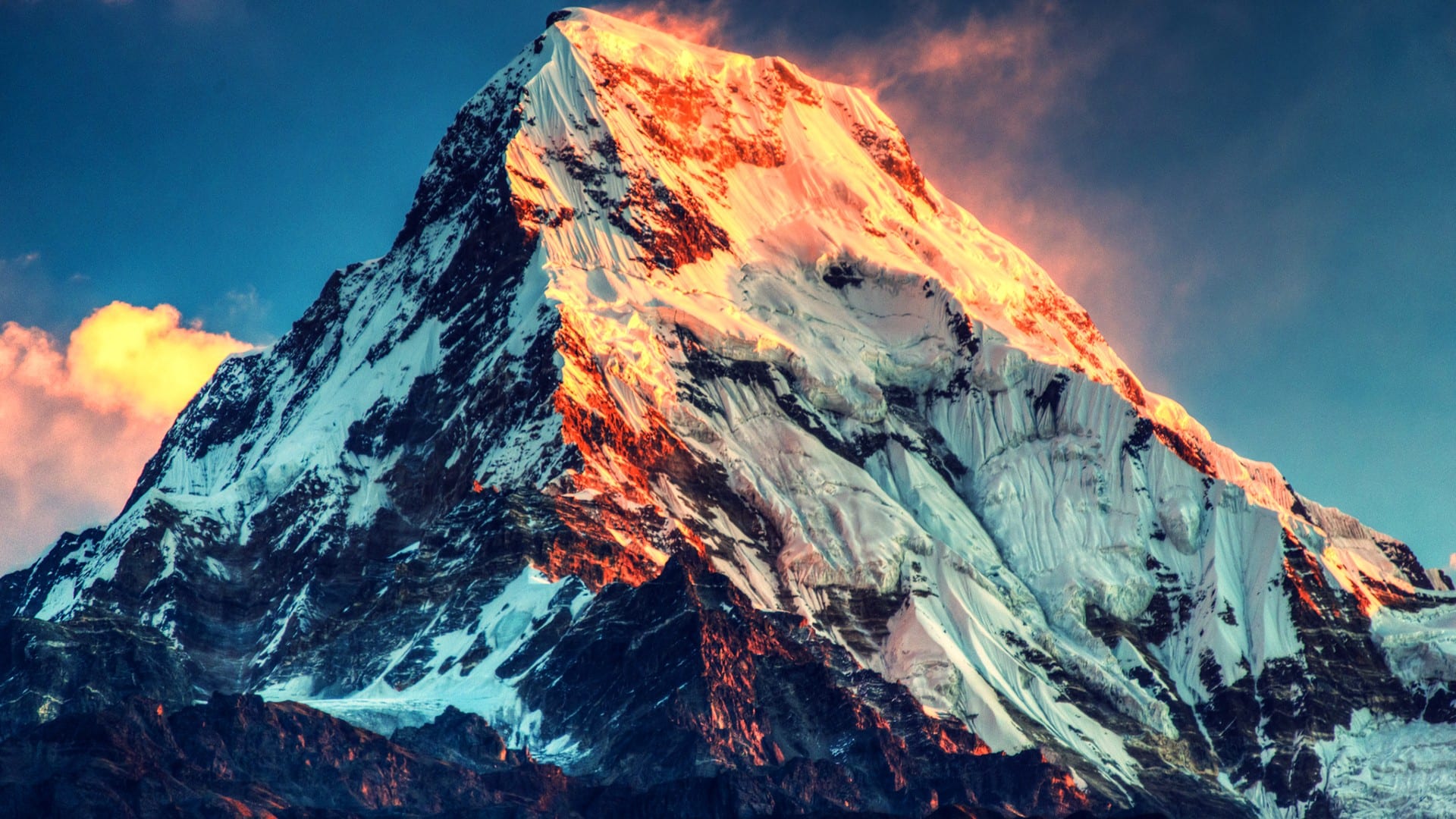
Spring 2023 was the busiest season ever on the Nepal side of Everest. Nepal issued a record 478 Everest permits to foreign climbers, according to the BBC, with the Himalayan Database's final count at 479, beating the previous record of 408 set in 2021. With Nepali guides and support staff, there were more than 1,500 people on the mountain. The Himalayan Database recorded 656 summits, 393 of them by Nepali climbers. It was also the deadliest season on record, with 18 deaths, according to the Himalayan Database's final figures reported by ExplorersWeb. Three Sherpas died in a serac collapse in the Khumbu Icefall on 12 April, and most of the others died from altitude, exhaustion and cold high on the mountain. The season fuelled debate about crowding, experience requirements and permit fees, and in September 2025 Nepal raised the spring South Col royalty from US$11,000 to US$15,000. This article was first published on 25 April 2023, early in the season, and updated in October 2026 with the final figures.
| Everest permits (Nepal) | 478 (BBC); 479 final count (Himalayan Database) |
| Previous record | 408 permits in 2021 |
| People on the mountain | More than 1,500 including support staff (BBC) |
| Total summits | 656, including 393 by Nepali climbers (Himalayan Database) |
| Summits without supplementary oxygen | 3 |
| Deaths | 18, a record (Himalayan Database / ExplorersWeb) |
| Icefall accident | 3 Sherpas killed on 12 April while fixing the route |
| Permit fee at the time | US$11,000 per foreign climber (spring, South Col) |
| Permit fee from September 2025 | US$15,000 |
Why so many climbers?
Analysts and officials pointed to pent-up demand after the pandemic years, and particularly to Chinese climbers. Tibet's side of Everest had been closed to foreigners since 2020, and China requires climbers on the north side to have previous 8,000 m experience. Nepal's lighter requirements made the South Col the main option. By late April 2023, 96 Chinese climbers had received Everest permits in Nepal, and for the first time in the mountain's commercial history, Americans were not the largest national group: there were 87 American permit holders at that point.
By the time this article was first published, Nepal had issued 1,005 mountaineering permits across all its peaks for the season, including 80 for Lhotse, Everest's neighbour. About 40 teams were expected to operate on Everest.
How the season unfolded
Early rotations
By late April, teams were well into their acclimatisation rotations. Some had already completed their first rotation to Camp 2 at about 6,400 m. One guide described "really pleasant, smooth climbing without any lines" in the Khumbu Icefall on 22 April, when his team was almost alone there, a reminder that crowding is concentrated around summit windows rather than spread across the season. Other teams were still at Base Camp, doing technical training before their first crossing of the Icefall.
The Icefall tragedy
On 12 April, three Sherpas, Dawa Chhiri Sherpa, Lakpa Rita Sherpa and Pemba Tenzing Sherpa, were killed by falling ice in the Khumbu Icefall at about 5,700 m while carrying loads and fixing the route for commercial teams. Rising temperatures and the thinning Khumbu Glacier have made the Icefall more unstable, and it remains the most dangerous section of the South Col route for the Sherpas who cross it many more times than their clients. See our report on moving Everest Base Camp.
Summit weeks
The main summit pushes came from mid-May, after the ropes reached the top. Most of the season's deaths came in a cluster between 16 and 25 May, at altitudes between about 7,200 m and 8,760 m, from altitude illness, exhaustion and cold. Among them was Hungarian climber Szilárd Suhajda, who was attempting Everest without supplementary oxygen. Only three climbers reached the summit without bottled oxygen that season, according to ExplorersWeb: Sajid Sadpara of Pakistan, Mateo Isaza of Colombia and Muhammad Hawari Hashim of Malaysia. Hawari Hashim later went missing high on the mountain after going back up from Camp 4 to help a teammate in trouble.
The final tally
| Measure | Spring 2023 |
|---|---|
| Permits | 478–479 |
| Summits | 656 |
| Nepali summits | 393 |
| Deaths | 18 |
| Summits without oxygen | 3 |
The Himalayan Database's final list of 18 deaths includes three Sherpas in the Icefall accident, other Sherpas and Nepali guides, and climbers from the United States, Moldova, China, India, Malaysia, Singapore, Australia, Canada and Hungary. ExplorersWeb called it the worst death toll ever on the mountain. See our 2023 Everest season review, our analysis of Everest deaths and the Everest success rate.
Was it overcrowding?
Crowding alone does not explain the death toll. Many of the deaths followed exhaustion, altitude illness or slow descents, which can happen with or without queues. But the season highlighted the pressures that come with record permit numbers: more inexperienced climbers, more stretched support teams, and more people high on the mountain on the few good summit days.
Critics pointed to the lack of experience requirements in Nepal, compared with China's rule requiring previous 8,000 m experience, and to cheaper operators with fewer guides and less oxygen per client. Supporters of the current system argue that the mountain provides vital income to Sherpa communities and that well-run operators can manage risk. See how to choose an Everest operator.
How 2023 compared with earlier busy seasons
The 2023 record followed a run of busy seasons. In 2019, a photograph by Nirmal Purja of a long queue on the summit ridge travelled around the world and made crowding a global story. In 2021, Nepal issued 408 permits, then a record, in a season disrupted by a Covid-19 outbreak at Base Camp. The 2022 season was quieter, and 2023 then broke all records, with China's side still closed to foreign climbers.
What made 2023 different was the scale. More permits meant more clients, more Sherpas and more people at the high camps at the same time. It also meant a wider range of experience and of operator standards. Some clients were on their first 8,000 m peak, and some operators, competing on price, provided fewer guides and less oxygen than others. The record death toll did not have a single cause, but it came in the season with the most people on the mountain.
The role of Sherpas and Nepali climbers
The figures underline how much Everest depends on Nepali climbers. Of the 656 summits in spring 2023, 393 were by Nepali climbers, mostly Sherpa guides and high-altitude workers who do not need a permit. They fix the ropes, carry loads and oxygen, set up camps and guide clients to the top and back. They also face the greatest risk: the three men killed in the Icefall on 12 April were carrying loads for commercial teams, and several of the season's other victims were Sherpas and Nepali guides. Any discussion of crowding and safety on Everest has to include the people who make commercial climbing possible.
The cost of a record season
Record numbers also meant record revenue. At US$11,000 per foreign climber, the permits alone brought in more than US$5 million in royalties for the spring season, based on the BBC's figure of 478 permits, before the income for operators, Sherpas, lodges, airlines and porters along the trek. This income is vital for the Khumbu and for Nepal, which is one reason the government has been cautious about limiting numbers.
Alternative acclimatisation
The 2023 season also confirmed a growing trend: climbers acclimatising at home in hypoxic tents, or on another high peak just before Everest, to cut the number of trips through the Icefall. Operators such as Furtenbach Adventures have used pre-acclimatisation in hypoxic tents for their shorter "flash" expeditions. Fewer Icefall crossings mean less exposure for both clients and the Sherpas who support them, though the approach needs careful planning and remains debated. See our interview with Lukas Furtenbach on flash climbing.
Science on the mountain
Not every 2023 expedition was about the summit. A small team of scientists and climbers, including climate researcher Baker Perry with Tenzing Gyalzen Sherpa and Dawa Yangzum Sherpa, returned to maintain the weather stations installed in 2019 and 2022. The highest, at Bishop Rock at about 8,810 m, is the highest weather station in the world. The stations measure wind, humidity, temperature, solar radiation and pressure, data that helps forecasters and teams pick summit windows.
What changed after 2023
The record season added pressure on Nepal to act, and several changes followed over the next two years.
The most visible was the permit fee. Nepal raised the spring royalty for foreign climbers on the South Col route from US$11,000 to US$15,000 from 1 September 2025, the first increase in about a decade, saying it would help manage numbers and fund clean-up work. See the Everest permit fee.
Waste rules were tightened too. Since 2024, climbers have had to use poop bags above Base Camp and bring them back down. In December 2025, Nepal released a five-year Everest Cleaning Action Plan (2025–2029), which requires expeditions to bring back the ropes and ladders they install, sets up a garbage collection point at Camp 2 and proposes turning the US$4,000 garbage deposit into a non-refundable fee.
Following a Supreme Court order, Nepal also plans laws to define the mountain's carrying capacity and to issue permits only after setting the number of climbers. The same plan includes a feasibility study into relocating Base Camp, though no site has been chosen.
The 2024 season saw fewer permits than 2023, though numbers remained high. See the best time to climb Everest for how summit windows work.
Lessons for future climbers
The 2023 season holds lessons for anyone planning Everest.
Choose your operator carefully. Price is only one part of the decision. Ask about the ratio of guides and Sherpas to clients, how much oxygen each climber gets and at what flow rates, how the team handles a sick climber high on the mountain, and how the operator chooses its summit days. In a crowded season, these details make the difference between a controlled climb and a dangerous one.
Get experience first. Everest is not a place to learn how your body reacts to extreme altitude. Climb at least one 8,000 m peak, or several 6,000–7,000 m peaks, before you go, and be honest with yourself about how you coped. See what to climb before Everest.
Respect turnaround times. Many of the deaths in 2023 came high on the mountain on the way up or down. Set a firm turnaround time with your guide and stick to it, even if the summit seems close.
Think about timing. Summit windows are short, and many teams target the same days. Good operators spread their teams across windows or wait for a second window to avoid the worst crowds. Trust your team's forecasts and be ready to wait.
Understand the cost. Cheaper expeditions often mean fewer resources when something goes wrong: fewer Sherpas, less oxygen and fewer backup plans. See what Everest costs.
Compare Everest operators
Compare operators running Everest via the South Col by verified client reviews on our Everest South Col page, or read Everest by expedition style.
Planning a climb? Ask several Everest guides for a personalised quote at once with Quote Compare, then talk to them directly. Get custom quotes
Frequently asked questions
Was 2023 the deadliest Everest season?
Yes. ExplorersWeb, citing the Himalayan Database, called the 18 deaths the worst toll ever on the mountain.
How many Everest permits were issued in spring 2023?
478 according to the BBC, with the Himalayan Database's final count at 479, a record.
How many people summited Everest in 2023?
656, including 393 Nepali climbers, according to the Himalayan Database.
How many people died on Everest in 2023?
18, the highest toll on record, according to the Himalayan Database as reported by ExplorersWeb.
Why were there so many climbers in 2023?
Pent-up demand after the pandemic, especially from Chinese climbers while the Tibet side was closed to foreigners.
How much is an Everest permit now?
US$15,000 per foreign climber for the spring season on the South Col route, from 1 September 2025.
How many people climbed Everest without oxygen in 2023?
Three, according to ExplorersWeb: Sajid Sadpara of Pakistan, Mateo Isaza of Colombia and Muhammad Hawari Hashim of Malaysia, who later went missing high on the mountain.
What happened in the Khumbu Icefall in 2023?
On 12 April, three Sherpas were killed by falling ice at about 5,700 m while carrying loads and fixing the route for commercial teams.
Did 2023 lead to new rules?
Yes, including higher permit fees, stricter waste rules and plans to limit numbers based on the mountain's carrying capacity.
Tags: everest, nepal, spring-2023, climbing-permits, khumbu-icefall