Ama Dablam Rescues: Why So Many Climbers Are Airlifted from Camp 3, Deaths, Risks and How to Prepare
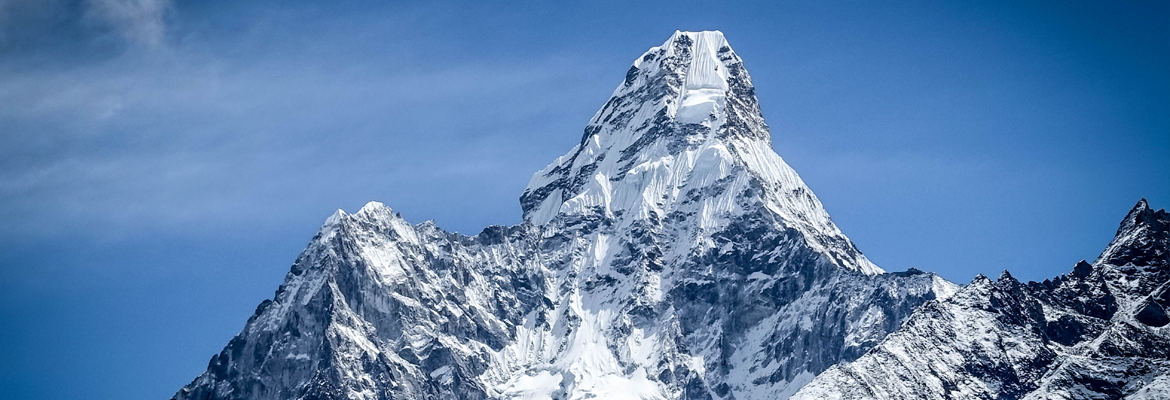
Ama Dablam (6,812 m) in Nepal's Khumbu region sees an unusually high number of helicopter rescues for a mountain of its height, most of them from Camp 3, an exposed perch at about 6,300 m below the summit snowfields. In November 2024, guides reported four helicopter rescues from the Camp 3 area in just two nights, with rescues becoming almost daily for a period. The main causes are climbers going too high too fast without enough acclimatisation, a lack of technical and rope skills for a genuinely technical route, frostbite in cold, windy conditions, and crowding on fixed lines. Since 1 September 2025, Nepal's royalty for Ama Dablam is US$1,000 per foreign climber in spring and autumn, and new rules require at least one mountain guide on sub-8,000 m expeditions. Ama Dablam is not a beginner's peak, and the best protection is experience, a slow acclimatisation plan and a well-run operator.
Ama Dablam rescues at a glance | Fact | Detail | |---|---| | Height | 6,812 m (22,349 ft) | | Location | Khumbu (Everest) region, Nepal | | Standard route | Southwest Ridge | | Camps | Base Camp (about 4,600 m); Camp 1 (about 5,700–5,800 m); Camp 2 (about 5,900–6,000 m); Camp 3 (about 6,300 m) | | Main rescue hotspot | Camp 3, below the hanging glacier (the "Dablam") | | Autumn 2024 | Four helicopter rescues reported in two nights near Camp 3 | | Common reasons | AMS, HAPE, HACE, frostbite, exhaustion, injuries | | Main seasons | October–November; also spring | | Royalty from 1 Sep 2025 | US$1,000 spring/autumn; US$500 winter/summer |
What happened in autumn 2024?
Late in the autumn 2024 season, guides at Ama Dablam Base Camp reported a striking pattern. A UK-based guide said four helicopter rescues had taken place from the Camp 3 area in just two nights, and other teams described rescues as almost a daily event. ExplorersWeb asked the question that many in the industry were already discussing: were there too many rescues on Ama Dablam?
Rescue company reports from the season described evacuations from Camp 3 for severe frostbite, acute mountain sickness, high-altitude pulmonary oedema (HAPE), high-altitude cerebral oedema (HACE), and neurological symptoms such as vision or speech problems. Several of the evacuations used long-line operations, in which a rescuer hangs beneath a helicopter on a line, because there is no safe landing area at Camp 3.
Not every rescue was a life-or-death emergency. Some were for exhaustion or minor injuries, and some climbers were simply unable to descend the technical terrain on their own. But the overall number raised real questions about preparation, operator standards and how insurance-funded rescues are changing behaviour.
Why is Camp 3 so dangerous?
Camp 3 sits on a narrow, exposed shoulder beneath the hanging glacier that gives the mountain its name. "Dablam" refers to the traditional amulet box worn by Sherpa women, which the glacier resembles.
- Small, exposed space. Tent platforms are limited, so teams are crowded together in a place with little shelter from wind.
- Altitude. At around 6,300 m, it is higher than any point on many climbers' previous trips.
- Technical terrain above and below. Getting down from Camp 3 requires abseiling and moving on steep, mixed ground. An exhausted or sick climber cannot simply walk down.
- Objective hazard. The hanging glacier is the main danger on the route. In November 2006, an ice avalanche from the Dablam swept Camp 3 and killed six climbers. Since then, most teams have placed Camp 3 in a more protected position, and many now go directly from Camp 2 to the summit.
- Cold. Autumn summit days can be very cold, particularly in late November, leading to frostbite of fingers and toes.
The main causes of rescues on Ama Dablam
1. Not enough acclimatisation
Ama Dablam is often climbed on short itineraries, sometimes as a quick add-on to an Everest Base Camp trek or a Lobuche climb. Climbers who move up too quickly are much more likely to develop AMS, HAPE or HACE. A sensible plan includes acclimatisation treks in the Khumbu, nights at Base Camp, and at least one rotation to Camp 1 or Camp 2 before the summit push.
2. Overestimating your technical ability
Ama Dablam has steep rock steps, exposed ridges, the Yellow Tower and the Grey Tower, and steep snow and ice on the summit slopes. All of the route is fixed with rope in the season, but climbers still need to:
- climb rock in mountaineering boots;
- jumar efficiently on steep ground;
- change over at anchors safely;
- abseil many times on descent.
Climbers who learn these skills on the mountain tire quickly and are slow on descent, which increases the risk of frostbite, exhaustion and accidents.
3. Crowding and fixed-line queues
Ama Dablam is very popular, especially in October and November. Bottlenecks on the fixed lines mean climbers spend more time standing still in the cold. Late summits mean descents in the dark.
4. Cold and frostbite
The autumn season brings dropping temperatures, particularly in November. Inadequate gloves, boots and down layers, combined with slow movement, cause frostbite.
5. Easy access to helicopters
Helicopter rescue in the Khumbu is fast and widely available. Insurance-funded evacuation saves lives, but some guides argue it also encourages climbers and operators to push on when they should turn back. There have also been repeated concerns in Nepal about unnecessary or inflated rescue claims, which have led to tighter insurance checks.
6. Operator standards
Low-cost operators sometimes provide fewer guides per client, less experienced staff or limited oxygen and medical support. When something goes wrong high on the mountain, a team without enough experienced guides cannot manage a sick climber's descent without a helicopter.
Deaths and accidents on Ama Dablam
Ama Dablam is not one of the deadliest mountains in the Himalaya, but serious accidents happen. The 2006 serac collapse killed six climbers at Camp 3. Individual deaths from falls, altitude illness and rockfall occur in many seasons, and two climbers died in October 2025. Many more climbers are rescued with frostbite or altitude illness.
ExpedReview's Ama Dablam dangers guide covers the main hazards in more detail.
Ama Dablam permit rules from 2025
Nepal revised its mountaineering royalties from 1 September 2025. For Ama Dablam, the royalty for foreign climbers is:
| Season | Royalty per foreign climber |
|---|---|
| Spring (March–May) | US$1,000 |
| Autumn (September–November) | US$1,000 |
| Winter and summer | US$500 |
Expeditions also pay a garbage deposit, which is refunded when teams bring their rubbish back. Under Nepal's new regulations, expeditions to sub-8,000 m peaks must climb with at least one mountain guide. Data gathered by ExpedReview from Nepal's Department of Tourism and news reports of the regulation.
How to avoid becoming a rescue statistic
- Climb other peaks first. Most experts recommend at least a 6,000 m climb and solid alpine experience before Ama Dablam. Lobuche East, Island Peak and Mera Peak are common stepping stones. See ExpedReview's Lobuche and Island Peak pages.
- Practise rope skills at home. Jumaring, abseiling and changing over at anchors should be second nature before you arrive.
- Choose a long itinerary. Look for trips of four weeks or more, with a proper acclimatisation trek and rotations.
- Bring the right gear. Warm double boots or 6,000 m boots, expedition mitts, spare gloves and a warm down jacket.
- Know your turnaround time. Agree it with your guide before summit day and stick to it.
- Check your insurance. Make sure it covers helicopter rescue and medical evacuation up to at least 7,000 m.
- Ask your operator hard questions. Guide-to-client ratios, guide experience, oxygen policy, medical kit, communications and evacuation plans.
Warning signs that should end your summit push
Many rescues could be avoided if climbers turned around earlier. Learn these signs and agree with your guide that any of them means going down.
| Warning sign | What it may mean | Action |
|---|---|---|
| Headache that does not ease with rest, water or painkillers | Worsening AMS | Stop ascending; descend if it gets worse |
| Breathlessness at rest, a wet cough or gurgling chest | HAPE | Descend immediately with support |
| Confusion, stumbling, slurred speech or blurred vision | HACE | Descend immediately; treat as an emergency |
| White, hard or numb fingers or toes that do not rewarm | Frostbite | Turn around; protect and rewarm only when safe |
| Moving much slower than the rest of the team | Exhaustion or illness | Turn around before the descent becomes impossible |
On Ama Dablam, the descent is the critical part. A climber who is too tired to abseil safely from Camp 3 or the summit slopes has few options except a long-line rescue, which depends on weather and helicopter availability. Turning back early, while you can still descend under your own power, is the most important safety decision on the mountain.
Insurance and the cost of a rescue
Helicopter rescue in Nepal is expensive and is usually paid by your insurer. Before you go, check that your policy explicitly covers mountaineering on a 6,812 m peak, helicopter search and rescue, long-line operations and medical evacuation to Kathmandu or home. Many standard travel policies stop at much lower altitudes. Carry your policy number and emergency contact details, and give a copy to your operator, so that a rescue can be authorised quickly.
How to choose a safe Ama Dablam operator
Read verified client reviews and compare what operators actually include. These are the highest-rated Ama Dablam operators on ExpedReview by verified client reviews (minimum two reviews; data as of 22 October 2026).
| Operator | ER average rating | Verified reviews |
|---|---|---|
| Tim Mosedale | 5.0 / 5 | 16 |
| Furtenbach Adventures | 4.9 / 5 | 5 |
| Summitclimb | 4.8 / 5 | 3 |
| 360 Expeditions | 5.0 / 5 | 2 |
| Elite Exped | 5.0 / 5 | 2 |
See all reviews on ExpedReview's Ama Dablam rankings, read the guide on how to choose an Ama Dablam operator, or explore the Everest region.
What this means for the future of Ama Dablam
The rescues of 2024 sparked debate among Nepali and Western operators about minimum experience requirements, better skills checks at Base Camp and stricter insurance rules. Nepal's 2025 regulations, with higher royalties and mandatory guides, are part of a broader push to raise standards on its peaks. Whatever the rules, the decisions that prevent most rescues are made long before Camp 3: choosing the right preparation, the right itinerary and the right team.
Frequently asked questions
How high is Ama Dablam?
6,812 m (22,349 ft).
Why are there so many rescues on Ama Dablam?
Mainly because climbers ascend without enough acclimatisation or technical skill, the terrain makes self-descent difficult, conditions are cold and windy, and helicopter rescues are readily available.
What happened on Ama Dablam in 2024?
In November 2024, guides reported an unusually high number of helicopter rescues from Camp 3, including four in two nights, for altitude illness, frostbite and exhaustion.
Where is Camp 3 on Ama Dablam?
At about 6,300 m, on an exposed shoulder below the hanging glacier known as the Dablam.
How many people have died on Ama Dablam?
Deaths occur in many seasons. The worst single accident was the 2006 serac collapse that killed six climbers at Camp 3.
Is Ama Dablam harder than Everest?
Technically, yes. Ama Dablam's route is steeper and more technical than Everest's South Col route. Everest is much higher and more serious overall because of extreme altitude.
What is the Ama Dablam death rate?
Ama Dablam's death rate is lower than most 8,000 m peaks, but it is still a serious technical mountain. Frequent rescues show how many climbers get into trouble.
Do you need a guide for Ama Dablam?
Under Nepal's regulations in force from 2025, expeditions to sub-8,000 m peaks need at least one mountain guide.
How much is the Ama Dablam permit?
From 1 September 2025, US$1,000 per foreign climber in spring and autumn, and US$500 in winter and summer.
What does Ama Dablam mean?
"Mother's necklace." Ama means mother, and dablam refers to the amulet box traditionally worn by Sherpa women, which the hanging glacier resembles.
What is the best time to climb Ama Dablam?
October and November are the most popular months. Spring is also possible.
Related articles
- How to choose a guide
- Best operators
- How Dangerous Is Ama Dablam? Deaths, Difficulty and Who Guides It
Ama Dablam's recorded deaths and summits, why it is technical rather than high, permit fees and the operators verified climbers rate.
- Best Ama Dablam Operators 2027: Ranked by Verified Climber Reviews (US$300 to US$1,000)
The best Ama Dablam expedition operators for 2027, ranked only by verified climber reviews.