Best Hikes in Europe: 12 Classic Treks and Long-Distance Trails
By Blake Penson · August 15, 2024
Category: destination-guides
9 min read
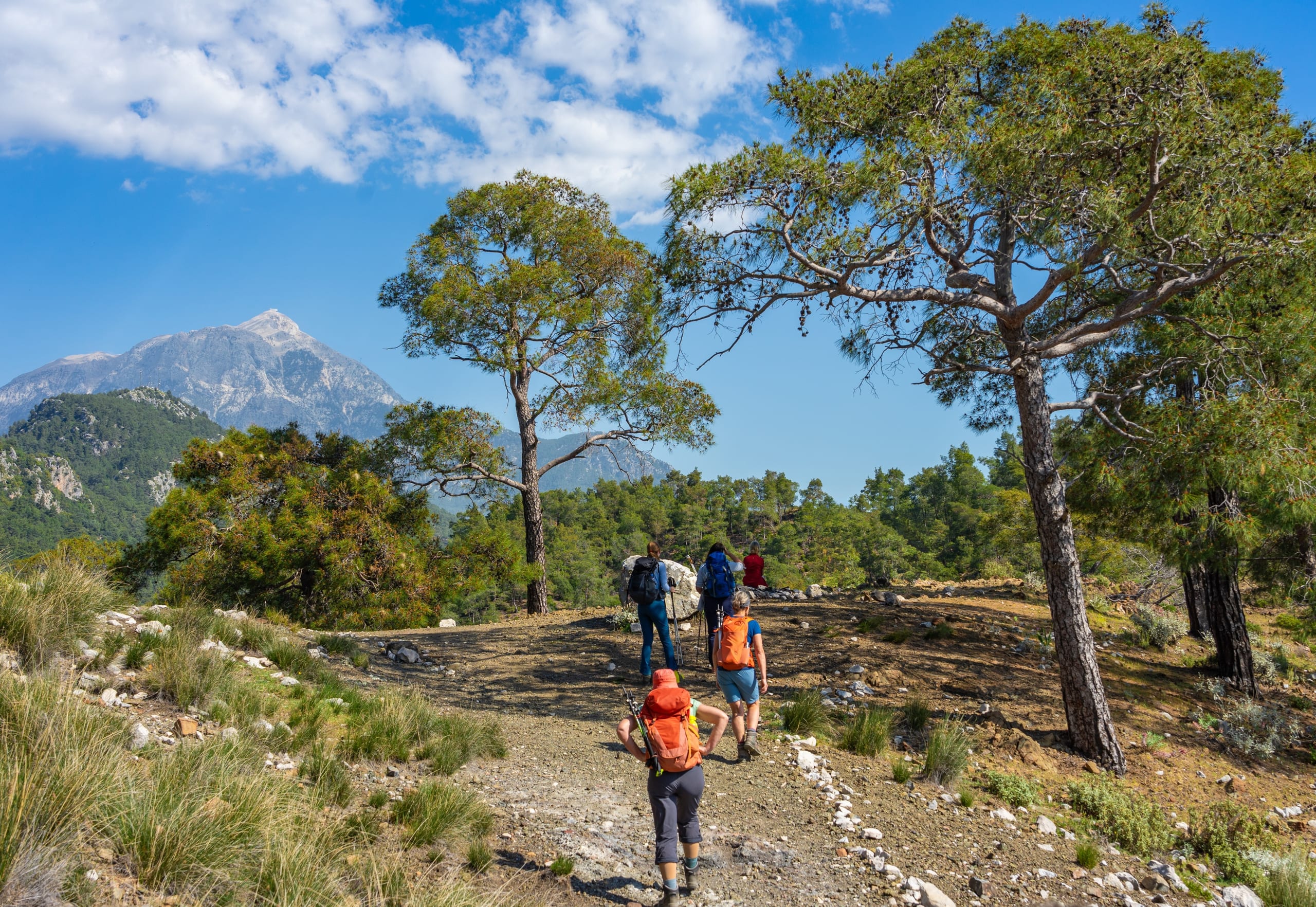
The best hikes in Europe include the Tour du Mont Blanc (about 170 km around Mont Blanc through France, Italy and Switzerland), the Alta Via 1 in the Italian Dolomites, the rugged GR20 across Corsica, Iceland's Laugavegur Trail, the Walker's Haute Route from Chamonix to Zermatt, Sweden's Kungsleden in Lapland, and Scotland's West Highland Way. Most of these classic treks take between four days and two weeks, use mountain huts or village accommodation, and are best from late June to mid-September, when high passes are mostly clear of snow. For a first European trek, the West Highland Way or Laugavegur are excellent choices; for big mountain scenery, choose the Tour du Mont Blanc or Alta Via 1; for a tough challenge, the GR20 is often called Europe's hardest long-distance trail. Distances and stage counts below are approximate and vary with the route variant. For alpine climbs, see ExpedReview's Alps rankings.
| Trek | Country | Approx. distance | Typical days | Difficulty |
|---|---|---|---|---|
| Tour du Mont Blanc | France, Italy, Switzerland | ~170 km | 10–12 | Moderate to hard |
| Alta Via 1 | Italy | ~120 km | 8–10 | Moderate |
| GR20 | France (Corsica) | ~180 km | 14–16 | Hard |
| Walker's Haute Route | France, Switzerland | ~180–200 km | 12–14 | Hard |
| Laugavegur Trail | Iceland | ~55 km | 3–4 | Moderate |
| Kungsleden | Sweden | ~440 km (often hiked in sections) | 3–4 weeks | Moderate |
| West Highland Way | Scotland | ~154 km | 6–8 | Easy to moderate |
| Alpe-Adria Trail | Austria, Slovenia, Italy | ~750 km | Many weeks (43 stages) | Easy to moderate |
| Camino Francés | France, Spain | ~780 km | 4–5 weeks | Easy to moderate |
| Picos de Europa (Ruta del Cares) | Spain | ~12 km one way | 1 | Easy to moderate |
1. Tour du Mont Blanc
The Tour du Mont Blanc (TMB) is Europe's most famous trek. The circuit around the Mont Blanc massif crosses France, Italy and Switzerland, with around 10,000 m of total ascent over roughly 170 km. Trekkers walk through high pastures, over passes such as the Col de la Seigne and Fenêtre d'Arpette, and past glaciers and peaks including Mont Blanc itself.
Most hikers take 10 to 12 days, staying in mountain huts (refuges), gîtes and village hotels. Huts fill up quickly in July and August, so book early. The trek is non-technical but involves long days with big climbs and descents. Many trekkers start in Les Houches near Chamonix. See ExpedReview's Chamonix and Mont Blanc pages.
Best for: Classic alpine scenery, good infrastructure and cultural variety.
2. Alta Via 1, Dolomites
The Alta Via 1 (Dolomite High Route 1) runs north to south through the Italian Dolomites, from Lago di Braies to near Belluno. It passes the dramatic limestone towers and walls that make the Dolomites one of the most beautiful mountain ranges in the world. The route is about 120 km and usually takes 8 to 10 days, staying in rifugi (mountain huts) known for excellent food.
It is a moderate trek, with some exposed sections protected by cables. Several via ferrata variations are possible for those with experience and equipment.
Best for: Dramatic scenery, great hut culture and food.
3. GR20, Corsica
The GR20 crosses the mountainous island of Corsica from north to south over about 180 km. It is widely considered one of Europe's toughest long-distance trails, with rough, rocky terrain, scrambling, chains and steep climbs and descents almost every day. Most hikers take 14 to 16 days, staying in refuges or camping.
The northern half is the most rugged and technical. The scenery, with granite peaks, forests and views of the Mediterranean, is spectacular.
Best for: Experienced, fit hikers looking for a serious challenge.
4. Walker's Haute Route, Chamonix to Zermatt
The Walker's Haute Route links Chamonix and Zermatt, the two great alpine centres, over roughly 180–200 km. It crosses high passes and passes beneath some of the highest peaks in the Alps, including Mont Blanc, the Grand Combin and the Matterhorn. Most hikers take 12 to 14 days.
It is tougher than the TMB, with bigger daily ascents and a few exposed sections. Do not confuse it with the ski touring Haute Route, a glacier route for ski mountaineers. See the Haute Route.
Best for: Strong hikers seeking a big alpine traverse.
5. Laugavegur Trail, Iceland
Iceland's Laugavegur Trail runs about 55 km from the colourful rhyolite mountains and hot springs of Landmannalaugar to the green valley of Þórsmörk. Most hikers take three to four days, staying in huts or camping. The trail crosses lava fields, black sand deserts, steaming vents and glacier views. Many hikers extend the trek by continuing over the Fimmvörðuháls pass to Skógar, between two glaciers.
The trail is usually open from late June to early September. Weather can be cold, wet and windy even in summer, and some river crossings are required.
Best for: Unique volcanic landscapes on a short trek.
6. Kungsleden, Sweden
The Kungsleden (King's Trail) runs roughly 440 km through Swedish Lapland, from Abisko in the north to Hemavan in the south. Most hikers walk a section, often the northern part from Abisko to Nikkaluokta or Kebnekaise, in about a week. The trail passes through Arctic tundra, birch forests and mountains, with huts run by the Swedish Tourist Association along much of the route.
In summer, the midnight sun means long days. In winter, parts of the route are used for skiing.
Best for: Wilderness, Arctic scenery and solitude.
7. West Highland Way, Scotland
The West Highland Way is Scotland's most popular long-distance trail, running about 154 km from Milngavie near Glasgow to Fort William, at the foot of Ben Nevis. It passes Loch Lomond, Rannoch Moor and Glen Coe. Most hikers take six to eight days, staying in villages, inns and campsites.
The trail is well marked and suitable for most fit walkers. Midges can be a problem in summer, and weather is changeable. Many hikers finish with an ascent of Ben Nevis, the UK's highest mountain.
Best for: First long-distance hikes and Scottish scenery.
8. Alpe-Adria Trail
The Alpe-Adria Trail runs about 750 km in 43 stages from the foot of the Grossglockner in Austria through Slovenia to the Adriatic coast near Trieste in Italy. Designed for leisurely hiking, it links villages, lakes and mountain landscapes, and most hikers walk selected stages rather than the whole route.
Best for: Relaxed hiking with good food and culture.
9. Camino de Santiago (Camino Francés)
The Camino Francés, the most popular route of the Camino de Santiago, runs about 780 km from Saint-Jean-Pied-de-Port in France across northern Spain to Santiago de Compostela. Most walkers take four to five weeks, staying in pilgrim hostels (albergues). It is not a mountain trek in most sections, but it crosses the Pyrenees at the start.
Best for: A long cultural journey on foot.
10. Picos de Europa, Spain
The Picos de Europa in northern Spain offer dramatic limestone peaks and gorges. The Ruta del Cares, about 12 km one way through a deep gorge, is one of Spain's most famous day hikes. Multi-day hut-to-hut routes are also possible.
Best for: Day hikes and short treks in spectacular gorges.
11. Faroe Islands
The Faroe Islands offer dramatic coastal hikes with sea cliffs, waterfalls and views over the North Atlantic. Slættaratindur, the highest peak at about 880 m, offers views over the surrounding islands on clear days. Many hikes cross private land and some charge access fees, so check before you go.
Best for: Wild coastal scenery and short hikes.
12. Lofoten Islands, Norway
Norway's Lofoten Islands combine sharp granite peaks with white beaches and fishing villages. Hikes such as Reinebringen and Ryten offer stunning views, and the long summer days make evening hikes possible.
Best for: Short, spectacular mountain hikes above the sea.
How to choose the right trek
- Experience: Start with the West Highland Way, Laugavegur or sections of the Alpe-Adria Trail. Move on to the TMB or Alta Via 1, then the Haute Route or GR20.
- Time: Short trips suit Laugavegur, Kungsleden sections or Picos de Europa. Allow two weeks for the TMB, GR20 or Haute Route.
- Scenery: For big glaciers and peaks, choose the Alps. For unique landscapes, choose Iceland or the Faroes.
- Accommodation: Huts and villages make many European treks easier than camping treks elsewhere.
Hut-to-hut trekking: what to expect
One of the joys of trekking in Europe is the network of mountain huts. In the Alps, huts (called refuges in France, rifugi in Italy and Hütten in Switzerland and Austria) range from simple shelters to large buildings with dormitories, hot meals and even showers. Many trekkers stay in huts every night and carry only a light pack.
A few tips for hut life:
- Book ahead. Popular huts on the TMB, Alta Via 1 and Haute Route fill up months in advance for July and August.
- Bring a sleeping bag liner. Most huts provide blankets or duvets but require you to use a liner.
- Bring hut shoes or sandals where required; boots are usually left at the entrance.
- Half board (dinner, bed and breakfast) is standard. Ask about packed lunches.
- Carry cash. Some remote huts do not accept cards.
- Respect quiet hours. Many hikers go to bed early and start before dawn.
- Membership discounts. Alpine club members often get reduced rates.
What to pack
For a hut-to-hut trek in summer, a 30–40 litre pack is usually enough. Pack:
- Broken-in hiking boots or trail shoes with good grip.
- Waterproof jacket and trousers.
- Warm layers: fleece or light insulated jacket, hat and gloves.
- Sun protection: sunglasses, sun hat and sunscreen.
- Trekking poles.
- Water bottles or a hydration bladder.
- Map, compass or GPS app with offline maps.
- First aid kit and blister care.
- Sleeping bag liner and earplugs.
- Headlamp.
On camping treks such as parts of the GR20 or Kungsleden, you will also need a tent, sleeping bag, pad and cooking gear, unless you use huts.
Training for a European trek
Most classic treks involve several days in a row of walking for six to eight hours, often with 1,000 m or more of ascent and descent. Train by hiking regularly on hilly terrain with your pack, and build up to back-to-back long days. Stair climbing and leg strength exercises help with steep descents, which are often harder on the knees than the climbs. See training for mountaineering adventures.
Guided, self-guided or independent?
You can trek most of Europe's classic routes independently, booking huts and transport yourself. Self-guided trips, offered by many companies, book accommodation and luggage transfers for you and provide maps and route notes. Guided treks add a professional leader who handles navigation, safety and logistics, which suits less experienced hikers or those who want a social group.
From trekking to mountaineering
Many people's first taste of the mountains comes from a trek like the TMB. If you want to go higher, the natural next step is a glacier skills course and an easy alpine peak, such as Gran Paradiso or a peak in the Monte Rosa area. See skills you need before a mountaineering trip.
When to hike in Europe
Most high mountain treks in Europe are best from late June to mid-September. Earlier in the season, snow can block high passes; later, huts start to close. Lower routes, such as the Camino or Picos de Europa, can be walked in spring and autumn.
Frequently asked questions
What is the best hike in Europe?
The Tour du Mont Blanc is the most famous, but the Alta Via 1, GR20, Laugavegur and Walker's Haute Route are also considered among the best.
What is the hardest hike in Europe?
The GR20 in Corsica is widely considered Europe's hardest long-distance trail.
When is the best time to hike in the Alps?
From late June to mid-September, when most passes are clear of snow and huts are open.
How long does the Tour du Mont Blanc take?
Usually 10 to 12 days for the full circuit of about 170 km.
Do you need a guide for European treks?
No, most popular treks are well marked and can be hiked independently, though guided and self-guided options are popular.
What is the best trek in Europe for beginners?
The West Highland Way and Laugavegur Trail are good choices for first-time trekkers.
Can you hike in Europe without booking huts?
On quieter routes and outside peak season, sometimes. On popular routes such as the TMB and Alta Via 1 in July and August, booking ahead is strongly recommended.
What is the most scenic hike in Europe?
Many hikers would pick the Alta Via 1 in the Dolomites or the Tour du Mont Blanc for mountain scenery, and the Laugavegur Trail for unusual volcanic landscapes.
Is the Tour du Mont Blanc hard?
It is non-technical but physically demanding, with around 10,000 m of total ascent. Fit hikers who train beforehand usually manage it well.
Tags: europe, hiking-trails, iceland, sweden, italy, long-distance-trekking