Lamjung Himal Base Camp Trek: Verified Reviews, Route, Season, Permits and Cost
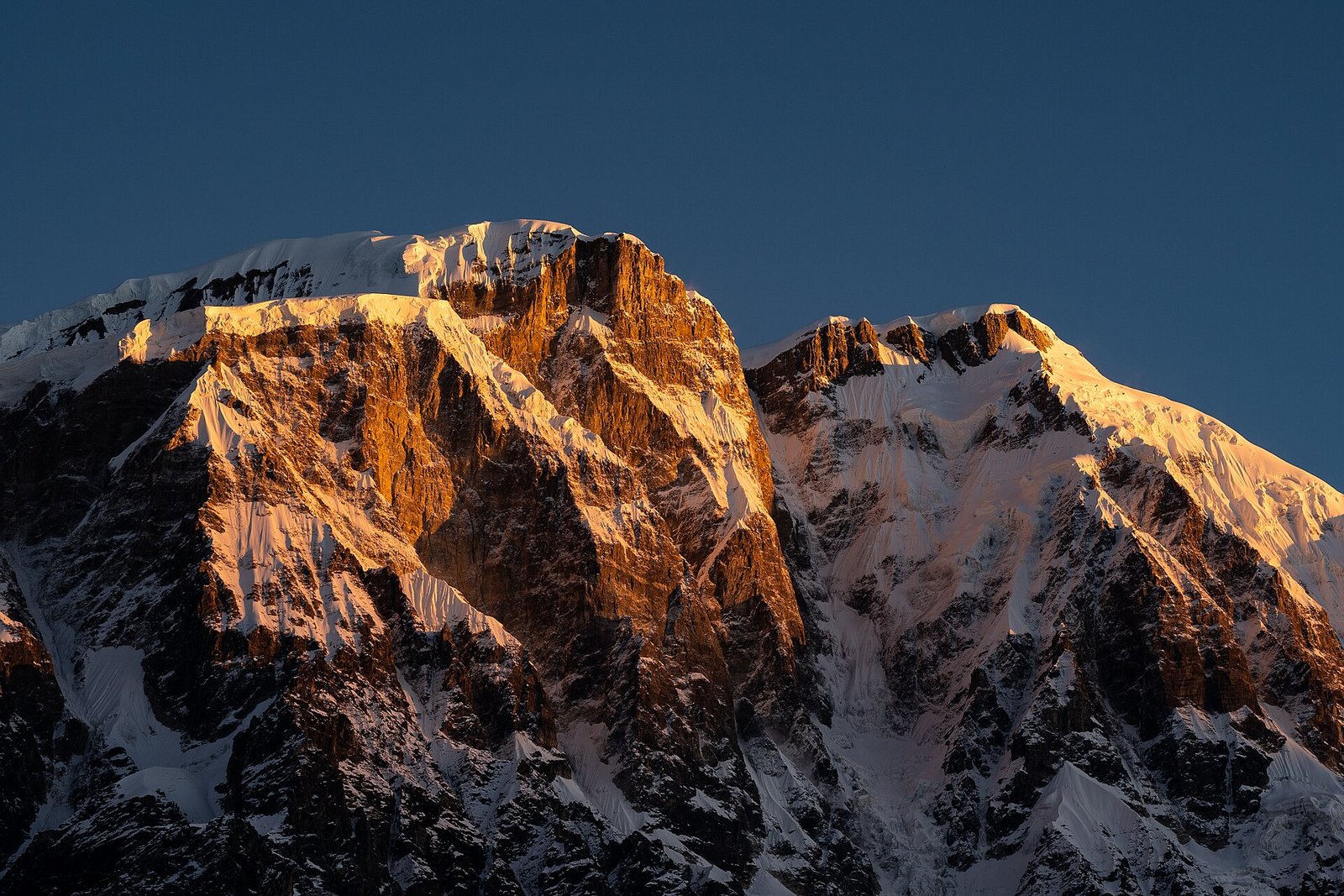
The Lamjung Himal Base Camp trek is a quiet, off-the-beaten-track trek of about 10 to 13 days in the eastern Annapurna region of Nepal, climbing from the Gurung villages of the Lamjung hills to a base camp at about 4,500 m below Lamjung Himal (about 6,980 m). Most itineraries start near Besisahar, pass the homestay village of Ghalegaun, camp in high pastures at Maidu, Kyubara and Furju Deurali, and descend to Sikles and Pokhara. It sees far fewer trekkers than the Annapurna Base Camp or Circuit treks, and much of the upper route has no tea houses, so it is usually run as a supported camping trek. On ExpedReview, as of 23 October 2026, one operator has one verified client review for the trek: The Mountain Company (4.0★, July 2021). Below is the ranking, then everything you need to know to plan the trek.
Lamjung Himal Base Camp trek: key facts | | | |---|---| | Highest point | Lamjung Himal Base Camp, about 4,500 m | | Mountain | Lamjung Himal, about 6,980 m | | Region | Lamjung and Kaski districts, eastern Annapurna, Nepal | | Typical length | About 10 to 13 days from Kathmandu, 6 to 8 days walking | | Start and finish | Besisahar or Ghalegaun; finish at Sikles and Pokhara | | Accommodation | Homestays and lodges low down; camping higher up | | Best season | October to November, and March to May | | Operators reviewed on ExpedReview | 1, with 1 verified review (as of 23 Oct 2026) |
Lamjung Himal Base Camp guides ranked by verified reviews
Rankings use each operator's verified ExpedReview client reviews for this trek: the star rating, adjusted so that one or two reviews, or only old ones, count for less than many recent ones. Every review is checked by hand before it is published, and operators cannot pay for a better position. Data as of 23 October 2026.
| Rank | Operator | Based in | Rating here | Reviews | Latest review | From price |
|---|---|---|---|---|---|---|
| 1 | The Mountain Company | United Kingdom | 4.0★ | 1 | July 2021 | No recent price listed |
With a single review from 2021, there is not enough data to rank operators meaningfully. Use it as a starting point, and read the reviews of other operators in the region on our Annapurna page.
What clients say
The Mountain Company's reviewer, who described themselves as being at "the extreme age for trekking", said they knew from arrival that they were in safe hands, with guides who took a personal interest in their welfare and enjoyment. They praised the guides' "silent support", including a helping hand or carrying a heavy day pack when needed, and called it the trip of a lifetime.
Why trek to Lamjung Himal Base Camp?
The Annapurna region is Nepal's most popular trekking area, but almost all trekkers follow a handful of routes: the Annapurna Circuit, the Annapurna Base Camp trek, Poon Hill and Mardi Himal. The Lamjung Himal trek explores the ridges east of these, between the Marsyangdi and Madi valleys, where there are few lodges and few trekkers. You walk through Gurung villages, terraced farmland, rhododendron and oak forest and high pastures, and the high camps offer close views of Lamjung Himal, Annapurna II and the peaks of the Manaslu range. It suits trekkers who have done a classic teahouse trek and want something quieter and wilder, without going to a restricted area.
The route
Itineraries vary between operators, but a common version runs as follows. From Kathmandu, a drive of about five to six hours takes you to Besisahar, at about 760 m, the starting point of the Annapurna Circuit. The first walking day climbs through farmland to Ghalegaun, at about 2,100 m, a Gurung village known for its community homestays. From there the trail climbs to Maidu, at about 2,880 m, and Kyubara, at about 3,470 m, through forest and pasture, before a big climb to Furju Deurali, at about 4,385 m. The next day leads to the base camp, at about 4,500 m, below the glaciers of Lamjung Himal. The descent goes west via Singaligoth, at about 2,900 m, to Sikles, at about 1,980 m, one of the largest Gurung villages in the region, and then by road to Pokhara.
Some operators run the route in reverse, or combine it with sections of other treks, and some add a night at a second high camp to explore the area around the base camp. Ask for the exact itinerary, with the altitude of every night.
Acclimatisation
The most important thing to check is acclimatisation. Many published itineraries go from Kyubara, at about 3,470 m, to Furju Deurali, at about 4,385 m, in a single day, a gain in sleeping altitude of more than 900 m. Medical guidance for travel above 3,000 m is to raise your sleeping altitude by no more than about 500 m a day, with an extra night for every 1,000 m gained. A better itinerary will split this stage or add a rest day, especially as the high camps are remote, and evacuation from them is harder. Learn the symptoms of acute mountain sickness and tell your guide straight away if you feel unwell.
Accommodation and camping
In the lower villages, such as Ghalegaun and Sikles, you can stay in homestays and simple lodges. Above them, in the pastures of Maidu, Kyubara and Furju Deurali, there are few or no permanent lodges, and most operators run the trek as a camping trek, with tents, a cook and porters to carry the equipment. Some operators use simple shelters where they exist. Ask what accommodation is used each night, who provides the tents and sleeping mats, and what the food arrangements are.
Difficulty
The trek is strenuous, with long climbs and descents on steep, sometimes faint trails, and nights at around 4,400 to 4,500 m. It requires no technical skills, but you should be fit enough to walk for five to seven hours a day, and comfortable on rough ground. As the reviewer above shows, a supportive team can make it possible for older or less experienced trekkers, but a good level of fitness is still important. In early spring or late autumn, there may be snow on the upper sections.
Permits and guide rules
Since April 2023, foreign trekkers in Nepal's national parks and conservation areas must be accompanied by a licensed guide and arrange their trek through a registered agency, as explained in our guide to Nepal's solo trekking rules. Much of this trek lies within the Annapurna Conservation Area, so you also need an Annapurna Conservation Area permit. Your agency will arrange the paperwork. Check the current fees with your operator, as they change.
Best time to go
The best seasons are autumn, from October to November, and spring, from March to May. Autumn has the clearest skies and best views; spring is warmer, and the rhododendron forests flower. The monsoon, from June to September, brings heavy rain, leeches and landslides, and clouds often hide the mountains. Winter brings cold nights and snow at the high camps, which can make the base camp hard to reach.
Cost
No operator has a recent price for this trek on ExpedReview. As a camping trek with porters and a cook, it usually costs more than a teahouse trek of similar length. Prices depend on group size, the length of the itinerary and what is included. Check whether your price includes permits, transport from Kathmandu and back from Pokhara, all meals, camping equipment, and the wages and insurance of guides and porters.
Getting there
Most treks start from Kathmandu, with a drive to Besisahar or on towards Ghalegaun, and end in Pokhara, from where you can fly or drive back to Kathmandu. Pokhara also has an international airport with some regional flights.
Responsible trekking
The villages of Lamjung and Kaski see few visitors, and staying in community homestays such as those in Ghalegaun puts money directly into local households. Carry out your rubbish, avoid plastic bottles by treating water, ask before photographing people, and respect local customs and shrines. Make sure your porters are properly equipped for the cold, high camps.
How to choose an operator
Choose an operator with experience of this specific route, as it is less well known than the main Annapurna treks. Ask for the itinerary with nightly altitudes and rest days, the camping arrangements, the guide's experience and first-aid training, the porters' equipment and insurance, and the emergency plan for the remote high camps. Read the review above, and our Annapurna Base Camp trek page for other operators that work in the region.
The Gurung villages
The Lamjung hills are a heartland of the Gurung people, one of Nepal's major ethnic groups, known for their distinctive culture and for the many Gurung men who have served as Gurkha soldiers in the British and Indian armies. Ghalegaun has become a model of community-based tourism, with homestays run by village families, cultural programmes and a strong sense of local ownership. Sikles, on the descent, is a large, traditional village of stone houses on the slopes above the Madi valley. Staying in these villages, eating dal bhat with your hosts and seeing their farming and festivals is a big part of the trek's appeal, and a contrast with the busier teahouse trails.
Landscape and nature
The trek climbs through several ecological zones in a few days, from subtropical farmland and terraces in the valleys, through forests of oak, rhododendron and bamboo, to high pastures used by herders in summer, and the moraine and glaciers below Lamjung Himal. In spring, the rhododendron forests flower in red, pink and white. The forests are home to birds such as the Himalayan monal, or danphe, Nepal's national bird, and you may see langur monkeys. On clear days, the high camps offer views of Lamjung Himal, Annapurna II, and the Manaslu range to the east.
Compared with other Annapurna treks
Compared with the Annapurna Base Camp trek, which reaches about 4,130 m on a busy teahouse trail, the Lamjung Himal trek is higher, quieter and more remote, with more camping and less infrastructure. Compared with the Annapurna Circuit, it is shorter and lower, with no high pass, but also has fewer services and fewer people. It is more demanding than Poon Hill or Mardi Himal. If you want the classic views of the Annapurna Sanctuary, choose the base camp trek; if you want solitude and village culture, Lamjung is an excellent alternative.
A typical day
Days on the trek start early. You wake at about six, pack your bag for the porters, and eat breakfast in the homestay or the camp's dining tent. Walking begins around seven, when the air is cool and the mountains are clear. You stop for lunch, often prepared by the cook, and reach the next village or camp by mid-afternoon, when clouds often build. Afternoons are for rest, short walks and drying gear, and dinner is early. At the high camps, nights are cold, and a warm sleeping bag rated to well below freezing is essential.
What to pack
You will need sturdy, broken-in trekking boots, trekking poles, a warm sleeping bag, a down jacket, waterproof clothing, layers for cold nights, a sun hat and sun cream, a headlamp, water treatment and a basic first-aid kit. Your operator should provide tents, sleeping mats and cooking equipment on the camping sections. Pack light, as porters carry your bag, and ask your operator about the weight limit.
Safety and evacuation
Because the upper camps are remote, with no lodges, roads or phone signal in places, a problem at Furju Deurali or the base camp is harder to deal with than on the main Annapurna trails. The first treatment for altitude sickness is to descend, so your guide must be ready to take a sick trekker down, even at night. A helicopter evacuation is possible in good weather but depends on communications, so ask whether your guide carries a satellite phone or messenger. Check that your travel insurance covers trekking to 4,500 m or higher and helicopter rescue, and give your agency the policy details before you start.
Frequently asked questions
How high is Lamjung Himal Base Camp?
The base camp is at about 4,500 m, below Lamjung Himal, which rises to about 6,980 m.
How long is the Lamjung Himal Base Camp trek?
Most itineraries take about 10 to 13 days from Kathmandu, with six to eight days of walking.
Is it a teahouse trek?
Partly. The lower villages have homestays and lodges, but the upper sections are usually camped, with porters carrying tents and food.
Do I need a guide?
Yes. Nepal's 2023 rules require a licensed guide on most trekking routes, including this one.
Which operator is reviewed for this trek on ExpedReview?
As of 23 October 2026, The Mountain Company is the only reviewed operator, with 4.0★ from one verified review in July 2021.
Related articles
- How to choose a guide
- Best operators
- Annapurna and Mustang Trekking and Climbing Guides: Verified Reviews
Treks and climbs in Nepal's Annapurna and Mustang region: operators ranked by verified ExpedReview client reviews, plus a guide to the Annapurna Circuit, Annapurna Base Camp, Poon Hill, Mardi Himal, Upper Mustang, Annapurna I and nearby peaks, with permits, guide rules, seasons and how to choose.