Annapurna Base Camp Trek: Verified Guide Reviews, Itinerary, Permits, Season and Difficulty
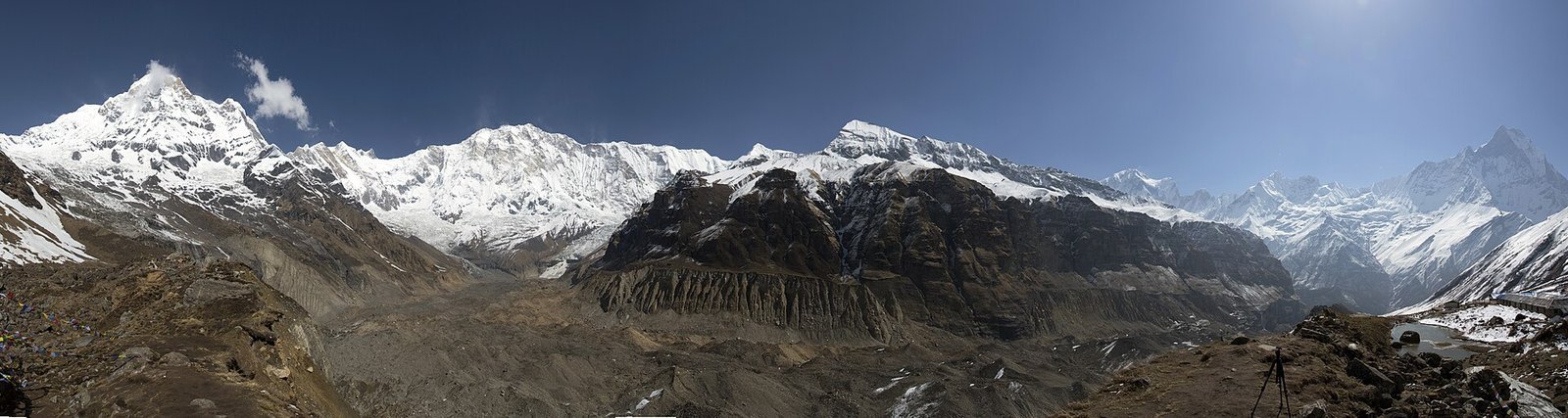
The Annapurna Base Camp trek, also called the Annapurna Sanctuary trek, climbs from the foothills north of Pokhara to a glacial basin at 4,130 m (13,550 ft) ringed by Annapurna I, Annapurna South, Hiunchuli, Gangapurna and the sacred, unclimbed summit of Machapuchare. Most itineraries take 7 to 12 days from Pokhara, and the trek needs no technical skills, though it has long stone staircases and one stretch of real avalanche risk in the Modi Khola gorge. You need an Annapurna Conservation Area permit and, under rules introduced in 2023, a licensed guide. The best seasons are October to November and March to May. On ExpedReview, as of 23 October 2026, 3 operators have 5 verified client reviews for the trek. Ranked first is Ace the Himalaya (5.0★ from 2 reviews, latest September 2026), followed by Himalaya Hub Adventure (5.0★ from 1 review, latest September 2026) and The Mountain Company (4.7★ from 2 reviews, latest May 2021). Below are the rankings, then a full guide to the trek.
Annapurna Base Camp trek: key facts | | | |---|---| | Highest point | Annapurna Base Camp, 4,130 m (13,550 ft) | | Location | Annapurna Conservation Area, Kaski district, Nepal | | Start and finish | Pokhara, with road access to Nayapul, Ghandruk or Jhinu | | Typical length | 7 to 12 days from Pokhara; longer with Poon Hill | | Accommodation | Teahouses throughout | | Permits | Annapurna Conservation Area permit; licensed guide required | | Best seasons | October to November; March to May | | Main hazard | Avalanche risk between Deurali and Machapuchare Base Camp in winter and spring | | Operators reviewed on ExpedReview | 3, with 5 verified reviews (as of 23 Oct 2026) |
Annapurna Base Camp guides ranked by verified reviews
Rankings use each operator's verified ExpedReview client reviews for the trek: the star rating, adjusted so that one or two reviews, or only old ones, count for less than many recent ones. Every review is checked by hand before it is published, and operators cannot pay for a better position. Data as of 23 October 2026.
| Rank | Operator | Based in | Rating here | Reviews | Latest review |
|---|---|---|---|---|---|
| 1 | Ace the Himalaya | Nepal | 5.0★ | 2 | September 2026 |
| 2 | Himalaya Hub Adventure | Nepal | 5.0★ | 1 | September 2026 |
| 3 | The Mountain Company | United Kingdom | 4.7★ | 2 | May 2021 |
None of the three listed a recent price at the time of writing. Alpine Ramble, Adventure Magic Treks And Expedition, Bold Himalaya and Everest Trekking Routes also run the trek but have no reviews for it yet.
What clients say
Both recent Ace the Himalaya reviewers (September 2026) praised the same guide and porter, said the trip was well organised and that they always felt safe, and one singled out a pace that left plenty of time to enjoy the scenery without feeling rushed. A Himalaya Hub Adventure reviewer (September 2026) praised the planning and a supportive, friendly team. A Mountain Company reviewer from 2021 described a well-planned trip with a great guide and concerns answered before, during and after the trek. With only five reviews, use these as a starting point and ask for recent references.
Why trek to Annapurna Base Camp?
The Annapurna Sanctuary is one of the most dramatic places in the Himalaya you can reach on foot. The trail climbs through a deep, narrow gorge of the Modi Khola, and then the valley opens into a hidden amphitheatre of ice, with the south face of Annapurna I rising more than 3,000 m above the camp. Sunrise on the peaks around the basin is unforgettable. Unlike the Everest Base Camp trek, the highest point is only a little over 4,000 m, so altitude is less of a problem, and the trek starts a short drive from Pokhara, without a mountain flight. It also passes through Gurung villages with stone houses, terraced fields and a strong local culture; many Gurung men have served in the Gurkha regiments.
Annapurna I, at 8,091 m, was the first 8,000 m peak ever climbed, by Maurice Herzog and Louis Lachenal of a French expedition on 3 June 1950, although that ascent was made from the north. It remains one of the most dangerous of the 8,000ers to climb, but trekkers only look at it from below. Machapuchare, the "fishtail" peak that dominates the view from Pokhara, is considered sacred and is closed to climbing; a British team turned back just below the summit in 1957, and there has been no permitted ascent since.
The route, stage by stage
There are several ways in and out, and itineraries vary, but most follow this outline.
Pokhara to Chhomrong
A drive from Pokhara takes you to the trailhead, most often Nayapul, Ghandruk or Jhinu, depending on the itinerary and road conditions. From there trails climb through terraced farmland and forest to Chhomrong, at about 2,170 m, the last large village on the route and the gateway to the sanctuary. Chhomrong is famous for its long stone staircases: you descend hundreds of steps to cross the Chhomrong Khola and then climb on the far side, and you do it again on the way back. Jhinu Danda, below Chhomrong, has natural hot springs by the river, a popular stop on the return.
Up the Modi Khola gorge
Above Chhomrong the trail enters the narrow gorge of the Modi Khola, passing through bamboo and rhododendron forest to the small lodge settlements of Bamboo, Dovan and Himalaya. The gorge is steep-sided and the lodges are small, so in peak season beds can run short.
Deurali to Machapuchare Base Camp
From Deurali, at about 3,230 m, the trail climbs to Machapuchare Base Camp, at about 3,700 m. This is the stretch with the greatest avalanche risk, because steep slopes above the valley release snow onto the trail after heavy snowfall. In January 2020 an avalanche near Deurali swept away a group of Korean trekkers and their Nepali guides. In winter and early spring, follow your guide's advice and the local lodge owners, who close the trail when the risk is high.
Into the sanctuary
The final climb to Annapurna Base Camp, at 4,130 m, takes two to three hours from Machapuchare Base Camp, over open ground as the valley widens into the sanctuary. Most trekkers sleep at base camp to see sunset and sunrise on Annapurna I, then descend the same way, often reaching Bamboo or Sinuwa on the first day down.
Adding Poon Hill or Mardi Himal
A popular variation starts with the short Poon Hill trek via Ghorepani, where a pre-dawn climb to the viewpoint gives a famous sunrise over Dhaulagiri and the Annapurnas, then traverses via Tadapani to Chhomrong to join the main route. It adds two to three days. The Mardi Himal trek, on a ridge to the east, is a shorter, quieter alternative with close views of Machapuchare. And for a longer trip, the Annapurna Circuit goes around the whole massif over the Thorong La.
Teahouses, food and daily life on the trail
Teahouses on the Annapurna Base Camp trek are simple family-run lodges with twin rooms, thin mattresses, shared toilets and a warm dining room where everyone gathers in the evening. Lower down, in Ghandruk and Chhomrong, they are comfortable and well equipped, with hot showers and Wi-Fi. In the gorge and the sanctuary, lodges are smaller and more basic, with limited rooms in peak season, and the menus are set by the local lodge management committee so that prices are the same in each settlement. Dal bhat, rice with lentil soup and vegetable curry, is the staple and usually comes with free refills, which makes it the best value meal on the trail. Pasta, fried rice, noodles, soups and Tibetan bread are also widely available.
A typical day starts with breakfast at about seven, walking from eight, a lunch stop in a village around midday and arrival at the next lodge by mid-afternoon. That leaves time to rest, read and talk to other trekkers before an early dinner. Above Deurali the nights are cold, so expect to sleep in your sleeping bag in most of your layers and keep batteries warm inside your bag.
Getting to Pokhara
Pokhara, Nepal's second tourist city, sits on the shore of Phewa Lake about 200 km west of Kathmandu. It is reached by a short domestic flight or a long bus or car journey of seven hours or more, and it has its own international airport. Most trekkers spend a night or two in Pokhara before and after the trek, and the lakeside is a pleasant place to recover.
Permits and the guide rule
All trekkers need an Annapurna Conservation Area Project (ACAP) permit, bought in Kathmandu or Pokhara through the Nepal Tourism Board or your trekking agency, and checked at posts along the route. Since April 2023 Nepal has required foreign trekkers in most national parks and conservation areas, including the Annapurna region, to trek with a licensed guide arranged through a registered agency. Rules and fees change, so check the current position with the Nepal Tourism Board or your operator before you go.
Best time to trek
The best seasons are autumn, from late September to November, and spring, from March to May. Autumn brings the clearest skies and the busiest trails; spring is warmer, hazier and the forests are full of flowering rhododendrons. In winter, December to February, the views can be superb and the trail quiet, but nights at base camp are very cold and the avalanche risk below Machapuchare Base Camp is higher after snowfall. The monsoon, June to mid-September, brings heavy rain, leeches and landslides to the lower trail, and the peaks are often hidden.
How hard is the trek?
The Annapurna Base Camp trek is a moderate to strenuous trek. It is lower than the Everest Base Camp trek, so altitude is less of a factor, but the stone staircases, especially around Chhomrong, are tiring, and you will climb and descend thousands of metres over the trip. Most days involve five to seven hours of walking. Good general fitness and some experience of hill walking with a pack are enough. Altitude sickness is still possible above 3,500 m, so ascend gradually and learn the symptoms of acute mountain sickness.
Cost
The total cost depends on the length of the trek, group size and what your operator includes. Teahouse rooms are cheap, but meals become more expensive the higher you go, because everything is carried in. Ask whether the package includes the permit, transport to and from Pokhara, guide and porter wages and insurance, meals and accommodation. Budget extra for drinks, hot showers, battery charging, Wi-Fi and tips, and for travel insurance covering helicopter evacuation.
Kit
You need broken-in trekking boots, a warm down jacket, a sleeping bag rated to about -10°C for the cold nights at base camp, waterproofs, layers for warm lower valleys, sun protection, trekking poles for the staircases and water treatment. A porter can carry most of your kit. Our guide to choosing mountaineering boots covers what to look for in footwear.
Responsible trekking
The sanctuary is a sacred place for the Gurung community, and traditionally meat, eggs and other animal products were not carried above Chhomrong out of respect for the mountain gods. Many lodges in the sanctuary still follow this custom, so do not bring meat with you. Carry out your rubbish, use refillable bottles and water treatment, and choose an operator that pays and insures its staff and gives porters fair loads.
How to choose an operator
Start with the ranking above. Then ask each operator how many trekkers there are per guide and porter, what the itinerary allows for rest and acclimatisation, how they manage the avalanche section, what is included in the price and how their staff are insured. Read our guide to the Annapurna region for the other treks and climbs in the area.
Frequently asked questions
How high is Annapurna Base Camp?
Annapurna Base Camp is at 4,130 m (13,550 ft).
How long is the Annapurna Base Camp trek?
Most itineraries take 7 to 12 days from Pokhara and back. Adding Poon Hill adds about two to three days.
Do I need a guide for the Annapurna Base Camp trek?
Yes. Since 2023 foreign trekkers in the Annapurna region have been required to trek with a licensed guide arranged through a registered agency.
When is the best time for the Annapurna Base Camp trek?
October to November and March to May. Winter is quieter but colder, with higher avalanche risk; the monsoon brings rain and landslides.
Is the Annapurna Base Camp trek harder than Everest Base Camp?
It is lower, so altitude is less of a problem, but the stone staircases make it tiring. Most people find it a little easier than the Everest Base Camp trek overall.
Which operator is ranked first for the Annapurna Base Camp trek on ExpedReview?
As of 23 October 2026, Ace the Himalaya is ranked first, with 5.0★ from 2 verified reviews, the latest from September 2026.
Related articles
- How to choose a guide
- Best operators
- Annapurna and Mustang Trekking and Climbing Guides: Verified Reviews
Treks and climbs in Nepal's Annapurna and Mustang region: operators ranked by verified ExpedReview client reviews, plus a guide to the Annapurna Circuit, Annapurna Base Camp, Poon Hill, Mardi Himal, Upper Mustang, Annapurna I and nearby peaks, with permits, guide rules, seasons and how to choose.