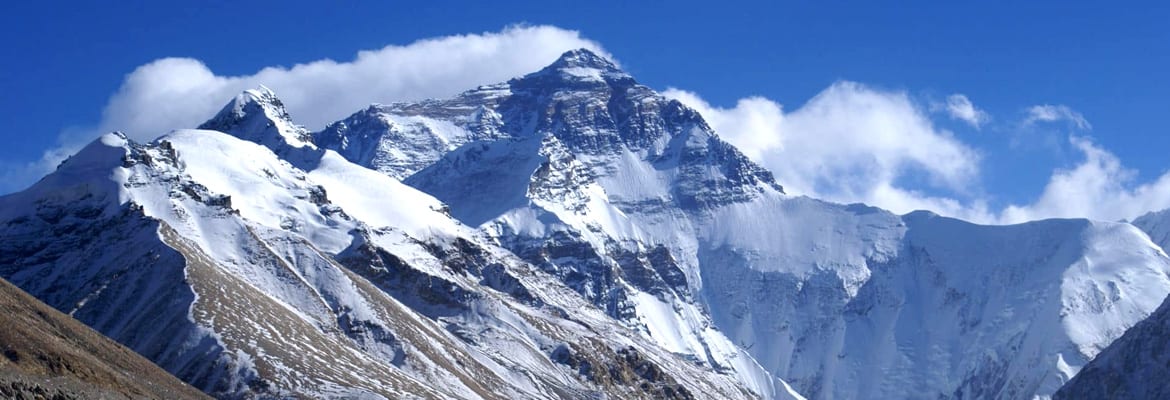
Tibetan Plateau Expeditions: Verified Guide Reviews and Planning Guide
The Tibetan Plateau is the highest large plateau on Earth, averaging more than 4,500 m, and its eastern edge in western Sichuan and Qinghai still holds hundreds of unclimbed 5,000 m and 6,000 m peaks. Trips here are true exploratory expeditions: few maps, complex permits, long drives on high roads and little rescue cover. On ExpedReview, as of 23 October 2026, one operator has 3 verified client reviews for Tibetan Plateau trips: Feeding The Rat Expeditions, based in Australia (5.0★ from 3 reviews, latest February 2022). Below are the reviews, then a guide to planning an expedition on the plateau.
Tibetan Plateau: key facts | | | |---|---| | Average height | More than 4,500 m | | Area | About 2.5 million km², mostly in China | | Main climbing areas | Eastern ranges in Sichuan, Qinghai and the Tibet Autonomous Region | | Typical trip | 3–5 weeks, including long road approaches | | Best months | May–June and September–October | | Permits | Chinese visa plus regional travel and climbing permits; rules change often | | Operators reviewed on ExpedReview | 1, with 3 verified reviews (as of 23 Oct 2026) |
Tibetan Plateau guides with verified reviews
ExpedReview ranks operators by their verified client reviews for each place: the star rating, adjusted so one or two reviews, or only old ones, count for less than many recent ones. Every review is checked by hand before it is published, and operators cannot pay to appear or rank higher. Data as of 23 October 2026.
| Rank | Operator | Based in | Rating here | Reviews | Latest review |
|---|---|---|---|---|---|
| 1 | Feeding The Rat Expeditions | Australia | 5.0★ | 3 | February 2022 |
What clients say
All three reviews were written in February 2022 and describe trips from before then. Together they give a clear picture of what this kind of expedition is like.
- A first ascent in the Genyen massif. One client describes joining a successful first ascent of a previously undocumented peak of about 5,678 m in the Genyen massif. They call it "a genuine expedition without the circus" and say the team handled a part of the world with very little public information.
- A first expedition to an unnamed peak in Tibet. Another client says they knew little about China or Tibet beforehand and that the operator handled the logistics and permits that the internet could not explain.
- A remote range in Xinjiang. A third client, on their second trip with the company, describes an expedition to a little-known range in Xinjiang that is politically difficult to reach and rarely visited by climbers.
Three reviews from a single month are a small sample, and the trips they describe all pre-date the travel changes of 2020 to 2023. Ask the operator what they have run since, and talk to recent clients if you can.
What makes the plateau different
Most mountain trips are built around a single, well-known peak. On the plateau, the expedition is the objective. The eastern ranges, such as the Shaluli Shan and the Daxue Shan in western Sichuan, rise from high grassland and are cut by deep river gorges. Many of their summits have no recorded ascent, and some have no agreed name. Exploratory climbers look for these peaks on satellite images, old Chinese survey maps and the notes of earlier expeditions, then travel by road and on foot to find a way up.
That brings rewards that are rare elsewhere: you may be the first people to stand on a summit, you will meet few or no other climbers, and you travel through Tibetan villages, monasteries and nomad camps that see very few foreign visitors. The pace is slower too: days spent drinking butter tea with herders while a yak team is arranged are part of the experience, not a delay. It also brings costs. Permits take time and can be refused or cancelled. Road approaches can take days. Rescue from a remote valley may mean a long carry and a drive, not a helicopter.
Main areas
| Area | Where | What climbers go for |
|---|---|---|
| Genyen massif | Western Sichuan (Litang area) | Genyen (6,204 m) and many unclimbed 5,000 m peaks around it |
| Daxue Shan | Western Sichuan | Minya Konka (7,556 m) and its satellites, a serious objective |
| Shaluli Shan | Western Sichuan, east Tibet border | Remote granite and snow peaks, many unclimbed |
| Nyainqentanglha | Tibet Autonomous Region | Nyainqentanglha (7,162 m) and smaller peaks near Lhasa |
| Kunlun and Xinjiang ranges | Northern edge of the plateau | Very remote peaks, difficult access |
Heights here are those commonly given in climbing literature; figures for many smaller peaks vary between sources because survey data are limited.
Permits and access
Access is the hardest part of any plateau expedition, and the rules change often:
- Visa. You need a Chinese visa. Ask your operator which type and what supporting documents they will provide.
- Tibet Autonomous Region. Foreign visitors to the TAR need a Tibet Travel Permit and must travel with a registered local agency and guide. Climbing permits come through the regional mountaineering authority.
- Sichuan, Qinghai and Yunnan. Tibetan areas outside the TAR do not need the Tibet Travel Permit, but climbing still needs approval, and some areas close at short notice for political or security reasons.
- Xinjiang. Extra security checks and restrictions apply, and some areas are closed to foreigners.
A good operator will be frank about the risk that a permit is delayed or refused, and will tell you in writing what happens to your money if it is.
Altitude
Because the plateau itself is so high, you start an expedition already above 3,500 m to 4,000 m, often after a fast drive from lowland cities such as Chengdu. That is a real risk of altitude sickness. A sensible plan includes several nights between 3,000 m and 4,000 m before going higher, then a base camp around 4,500 m to 5,000 m, and acclimatisation climbs before any summit attempt. Ask for every night's sleeping height. Above 3,000 m, standard medical advice is to raise your sleeping height by no more than about 500 m a day, with a rest day every 1,000 m.
When to go
The plateau has a monsoon summer and a dry, very cold winter.
- May and June: settled weather before the monsoon, longer days, snow still on the peaks.
- July and August: rain and cloud on the eastern ranges; roads can be cut by landslides.
- September and October: the most reliable climbing window in most years, with clear skies and colder nights.
- November to April: severe cold and wind; only for very experienced teams.
Skills you need
These are not guided-tourist peaks. Even an easy unclimbed 5,500 m peak can involve glacier travel, steep snow or loose rock, and the route may not be known until you are there. You should be comfortable with:
- Crampons, ice axe and rope-team glacier travel
- Moving on steep snow and loose rock
- Camping for weeks at altitude in cold conditions
- Long days without a fixed trail or support from other teams
A background of guided Himalayan trekking peaks, Alpine routes or a Denali-style expedition is a good base. Above all, you need patience and flexibility, because plans change. An exploratory expedition can be a complete success without reaching a summit, if the team finds a new valley, maps a route and comes home safely, and you should go in with that expectation.
What it costs
ExpedReview does not hold a current price for these trips. Expect plateau expeditions to cost more per day than a standard Nepal trekking peak, because of permits, long road transport, local staff and small group sizes. A quote should state exactly which permits are included, the vehicle and driver arrangements, the guide-to-client ratio, food and fuel, and what happens if a permit is refused.
How to choose an operator
- Ask what they have run recently. Expeditions here depend on local contacts and up-to-date permit knowledge, both of which changed after 2020.
- Ask who leads. Get the leader's name, experience on the plateau and qualifications.
- Ask about rescue. How would a casualty be moved, how far is the nearest hospital, and does your insurance cover the region and the activity?
- Ask about permits in writing. Who applies, how long it takes and what happens if it fails.
- Ask about local staff. Who are the drivers, cooks and liaison officers, and how are they paid and insured?
- Talk to past clients. For exploratory trips, a phone call with a past client is worth more than any number of star ratings.
Responsible travel
The plateau is home to Tibetan communities with strong religious traditions. Many mountains are sacred, and local people may not want them climbed. A responsible operator will consult local communities and religious leaders before an attempt, and will walk away if asked. Respect monasteries and mani walls, ask before photographing people, carry out all rubbish, including human waste where needed, and use local staff and suppliers where you can.
A typical expedition, week by week
No two plateau expeditions are the same, but most follow a similar shape.
Week 1: travel and first acclimatisation. You fly to a gateway city, often Chengdu for the eastern ranges or Lhasa for the TAR, and spend a day or two on permits and supplies. Then comes a long drive west on high roads, with overnight stops in towns between 3,000 m and 4,000 m. These nights do much of your early acclimatisation. Expect long days in vehicles and some police or permit checks.
Week 2: the approach and base camp. From the road-head you walk in, sometimes with yaks or horses hired from local herders, to a base camp around 4,500 m to 5,000 m. On an exploratory trip the first days at base camp are spent on reconnaissance: walking up side valleys, studying the peak and choosing a line.
Week 3: climbing. The team carries loads to an advanced or high camp, practises on the glacier and waits for a weather window. Summit days on unclimbed peaks are often long, because the route is unknown and has to be found and protected as you go.
Week 4: descent and return. After the summit, or after the team decides not to go on, you clear camp, walk out and drive back. Leave a spare day or two, because roads on the plateau can be cut by snow, landslides or checkpoints.
Gear and self-sufficiency
Expect to be more self-sufficient than on a commercial Himalayan peak. There are no tea houses, no fixed ropes put in by other teams and no shops beyond the last town. Your operator will normally provide group gear such as tents, ropes, stoves, fuel and food, but you should bring and know how to use your own:
- Mountaineering boots that take crampons, crampons, ice axe, harness and helmet
- A four-season sleeping bag rated to at least −20 °C and a good sleeping mat
- Down jacket, insulated trousers, mitts and spare gloves
- Sunglasses and goggles, because the light on the plateau is intense
- A personal first-aid kit, including any altitude medicines prescribed by your doctor
Ask whether the leader carries a satellite phone or messenger, a full medical kit and supplementary oxygen or a hyperbaric bag for emergencies.
Health and medical care
Hospitals on the plateau are few and far apart, and helicopter rescue is not something to count on. That shifts the job of staying safe onto the team. Your leader should hold a current wilderness first-aid qualification and know the signs of acute mountain sickness, high-altitude pulmonary oedema and cerebral oedema. You should be honest about any medical conditions, see a travel-medicine doctor before you go, and carry enough of your own medicines for the whole trip plus a margin.
Frequently asked questions
Can foreigners climb in Tibet?
Yes, with the right permits. In the Tibet Autonomous Region you must travel with a registered agency and guide. In the Tibetan areas of Sichuan and Qinghai you need climbing approval, and some areas close at short notice.
Are there still unclimbed peaks on the Tibetan Plateau?
Yes. Many 5,000 m and 6,000 m peaks in the eastern ranges have no recorded ascent. Reviewers on ExpedReview describe first ascents in the Genyen massif and on unnamed peaks.
How high is the Tibetan Plateau?
Its average height is more than 4,500 m, which makes it the highest large plateau in the world.
When is the best time for a Tibetan Plateau expedition?
May and June, and September and October, are the usual windows. July and August bring monsoon rain to the eastern ranges.
Which operators have verified reviews for the Tibetan Plateau?
As of 23 October 2026, Feeding The Rat Expeditions has 3 verified reviews (5.0★, latest February 2022).
Do I need mountaineering experience?
Yes. Exploratory peaks can involve glacier travel, steep snow and loose rock, often on unknown routes. Previous expedition experience is strongly recommended.
Can operators pay to rank higher on ExpedReview?
No. Operators cannot pay to appear, rank higher or have reviews removed.
Related articles
- How to choose a guide
- Best operators
- Tibet Guides: Verified Reviews for Everest North Side, Tibetan Plateau Tours and Climbing in Tibet
Climbing and trekking in Tibet: operators ranked by verified ExpedReview client reviews for the Everest North Col route and Tibetan Plateau tours, the 2026 closure and 2027 outlook, China's permit rules, Cho Oyu and Shishapangma, Kailash, travel permits, season and how to choose an operator.