September Getaways: The Best Mountains to Climb and Trek in September
By Blake Penson · September 13, 2024
Category: destination-guides
7 min read
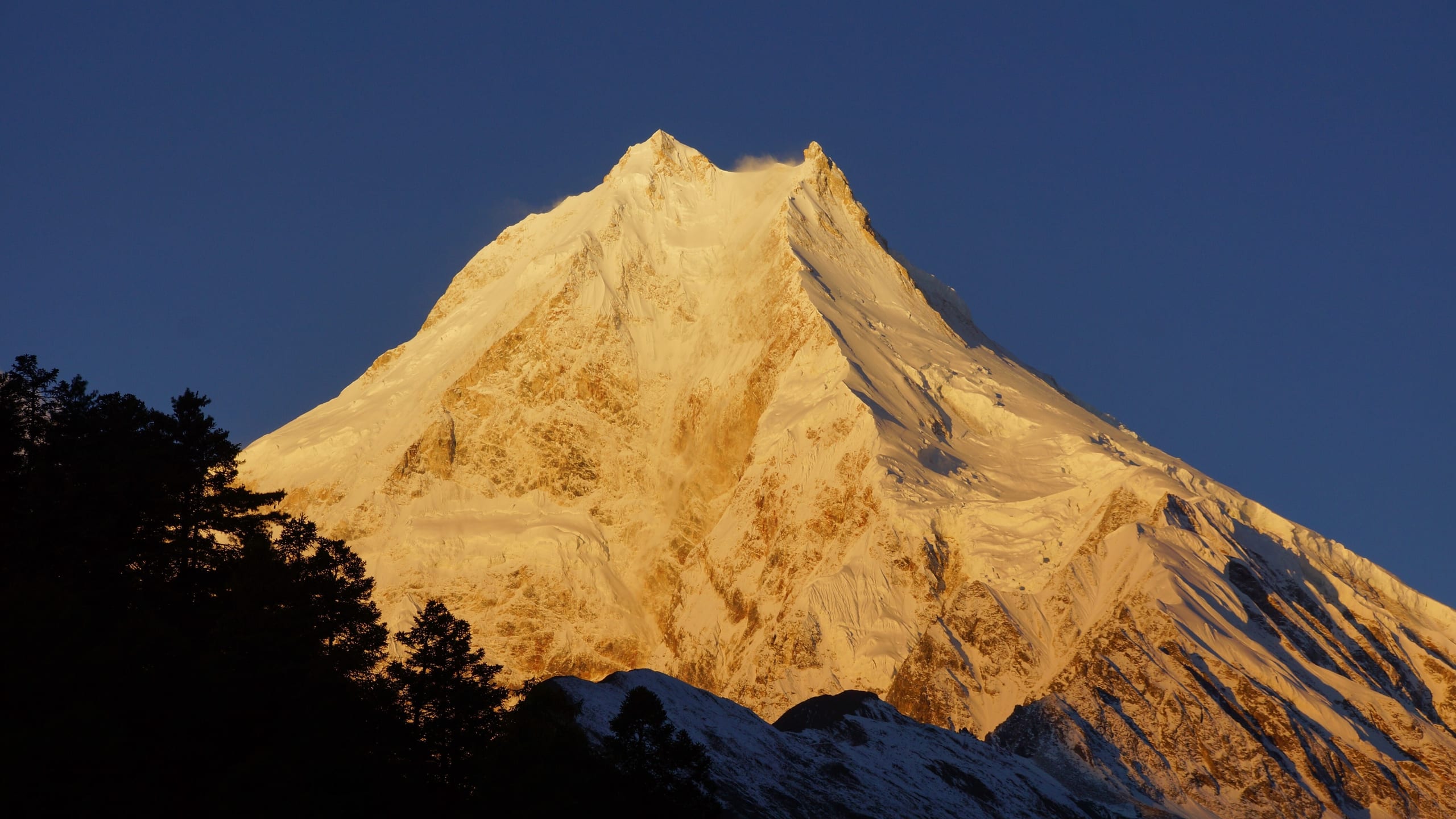
September is one of the best months of the year for a mountain trip, but only if you pick the right mountain. It is the heart of the dry season on Kilimanjaro, the main autumn window for the 8,000 m peaks of Manaslu and Dhaulagiri in Nepal, and the last reliable weeks of the summer season in the Alps, the Caucasus and the Cascades. It is not yet peak season for the classic Nepal treks: the monsoon usually fades through September, so the Everest Base Camp trek is best started late in the month, with October the safer bet. The short answer: for a non-technical summit, go to Kilimanjaro; for a big Himalayan expedition, Manaslu is the September classic; for a trek, start in the Khumbu or Annapurna in the second half of the month; and for an Alpine summit, go early in the month. Below we take each option in turn, explain how September weather really behaves, and help you decide what fits your experience.
| Destination | Type | September conditions |
|---|---|---|
| Kilimanjaro, Tanzania | Non-technical trek to 5,895 m | Dry season; one of the best months |
| Manaslu, Nepal | 8,163 m expedition | Main autumn season, summits usually late September to early October |
| Dhaulagiri I, Nepal | 8,167 m expedition | Autumn season, smaller and more serious than Manaslu |
| Everest Base Camp trek, Nepal | Trek to about 5,364 m | Monsoon ending; better from late September |
| Mont Blanc and the Haute Route, Alps | Alpine climb and glacier tour | Season winding down; early September best |
| Elbrus, Russia | 5,642 m glaciated climb | End of season, colder and windier |
| Mount Rainier, USA | 4,392 m glaciated climb | Late season, crevasses more open |
Why September works so well
September sits at a turning point in the climate of most of the world's popular mountain ranges. In the Northern Hemisphere the long summer days are shortening, the summer crowds have gone home and the first cold nights arrive in the high valleys. In the Himalaya the South Asian monsoon, which brings heavy rain to Nepal from about June, normally retreats through September, and behind it come the clear, cold, stable skies of the post-monsoon season. In East Africa September falls in the long dry season that runs from roughly June to October. That combination means there is almost always somewhere in good condition, but the timing inside the month matters much more than it does in, say, October.
The honest caveat is that September is a transition month. A trip that is perfect in the third week can be wet, cloudy or closed by rockfall in the first. If you have flexibility, the general rule is simple: Alpine and North American trips are better earlier in the month, and Himalayan trips are better later. Kilimanjaro is the exception that works the whole way through.
1. Kilimanjaro via the Lemosho Route, Tanzania
Kilimanjaro, at 5,895 m, is the highest mountain in Africa and the highest free-standing mountain in the world. It needs no ropes or technical skills on the normal routes, which makes it the obvious first big summit for fit trekkers. September is one of its best months. The long rains of March to May are long gone, the short rains of November have not started, and the skies are usually clear on the upper mountain, although nights at the summit are well below freezing.
The Lemosho Route approaches from the west through rainforest, crosses the broad Shira Plateau and then joins the southern circuit past the Lava Tower and the Barranco Wall before the night summit push to Uhuru Peak. Most operators run it over seven or eight days. That length matters more than the scenery: the extra days give your body time to adapt, and the biggest single factor in summit success on Kilimanjaro is acclimatisation. Shorter itineraries of five or six days are cheaper but carry a higher risk of altitude illness and turning back.
Because September is high season, the popular routes are busier than in the shoulder months, and Lemosho shares its upper section with the Machame Route from the Barranco area onwards. If quiet matters to you, the Northern Circuit is a longer option that stays apart from the crowds for most of its length. For a full comparison of operators, read our Kilimanjaro guide, our page on how to choose a Kilimanjaro operator and our roundup of the best Kilimanjaro guide companies.
2. Manaslu, Nepal
Manaslu, at 8,163 m, is the eighth highest mountain in the world and, in recent years, the busiest 8,000 m peak of the autumn. It is the September expedition. Teams usually arrive in Kathmandu in late August or early September, trek or fly by helicopter to Samagaon and base camp, and rotate through the camps while the last of the monsoon clears. Summit pushes normally cluster in the last week of September and the first days of October, when the jet stream is still well to the north and winds at altitude are low.
Manaslu is often described as one of the more accessible 8,000 m peaks, and for experienced high-altitude climbers that is fair: the normal route on the north-east face has no very steep ground and is fixed with ropes. But "accessible" is relative. The route crosses serious avalanche terrain, and in 2012 an avalanche hit Camp 3 and killed eleven climbers. It still demands previous experience on a 6,000 m or 7,000 m peak, sound crampon and fixed-rope skills, and a good team. The famous question of the true summit, settled when climbers began to reach the real high point in 2021, means you should check that your operator plans to go to the true summit and not stop at the lower foresummit. We explain the issue in our article on finding the true summits of the 8,000ers.
Some operators sell short "flash" versions that use hypoxic tents at home to pre-acclimatise and cut weeks from the trip. These can work for very experienced, well-prepared climbers, but they leave less margin if your body does not respond as planned. Our Manaslu guide ranks operators on verified client reviews.
3. Dhaulagiri I, Nepal
Dhaulagiri I, at 8,167 m, is the seventh highest mountain in the world and a much more serious undertaking than Manaslu. It rises above the Kali Gandaki gorge, one of the deepest in the world, and its name means "white mountain" in Sanskrit. The normal route climbs the north-east ridge from a base camp on the upper Chhonbardan Glacier, reached either by a demanding trek over French Pass from the Myagdi valley or, increasingly, by helicopter.
The mountain has both a spring and an autumn season, and September and early October are the autumn window. Conditions are less predictable than on Manaslu: deep snow, high winds and avalanche risk on the route between Camp 1 and Camp 2 often stop teams, and summit success rates are lower. Far fewer people attempt it, and the support on the mountain is thinner. It is a peak for climbers who already have at least one 8,000 m summit and want something wilder. Read our Dhaulagiri I guide for operators and route details.
4. The Everest Base Camp trek, Nepal
The trek to Everest Base Camp is the most famous trek in the world, but September is not its best month, and the original version of this article was too generous about it. Through much of September the monsoon is still active in the Khumbu: flights between Kathmandu or Ramechhap and Lukla are often delayed or cancelled by cloud, the lower trail can be wet and leech-ridden, and views of Everest, Lhotse and Ama Dablam may be hidden for days. Rhododendrons bloom in spring, not autumn, so do not expect them.
That said, late September can be excellent. As the monsoon pulls back, the air is washed clean, the hillsides are still green, and the trails are quieter than they will be in October, which is the peak month. If your dates are fixed in September, start the trek as late in the month as you can, build in two or three spare days for flight delays, and accept that the first few days may be damp. The route itself does not change: fly to Lukla, walk up through Phakding and Namche Bazaar, rest a day to acclimatise, continue via Tengboche, Dingboche and Lobuche to Gorak Shep, then visit base camp and climb Kala Patthar for the view. Read our Everest Base Camp trek guide, the trek cost breakdown and our advice on how to choose a trekking company.
The same timing applies to the Annapurna Circuit and the Manaslu Circuit. The northern sides of both treks lie partly in the rain shadow of the main Himalayan chain and dry out earlier, but the lower valleys still get monsoon rain and landslides can close roads into the first half of September.
5. The last of the Alpine summer: Mont Blanc and the Haute Route
In the Alps, September is the end of the summer climbing season rather than the start of anything. The first half of the month can be some of the best climbing of the year: the crowds of July and August have gone, the huts are calmer and settled high pressure often brings long runs of fine weather. On Mont Blanc, the main huts on the normal routes usually close in mid or late September, and after that the climb becomes a bigger, colder and more committing undertaking. Late in the season the glaciers are drier, crevasses are more open and rockfall in exposed couloirs can be worse after a hot summer, so many guides prefer other routes or call off ascents in some years.
The Haute Route from Chamonix to Zermatt is best known as a spring ski tour, but the summer walkers' version is a classic hut-to-hut trek, and early September is a lovely time to do it before the huts start to close. If you want an Alpine summit in September, book for the first two weeks and choose an operator that is honest about conditions. For an overview of the range, see our guide to the Alps.
6. Elbrus and Rainier: end-of-season climbs
Elbrus, at 5,642 m the highest mountain in Europe on most definitions, has a summer season that runs from about June to early September. Early September can still offer good summit days, but the weather turns colder and windier as the month goes on. Travel restrictions and safety advice for Russia change, so check your government's current travel advice before you plan anything there.
Mount Rainier in Washington State, at 4,392 m, is the most heavily glaciated peak in the contiguous United States and the classic training climb for bigger expeditions. Its main season runs from about May to September. By September the snow bridges over crevasses have melted and some routes become more broken and harder to follow, and guided programmes usually wind down during the month. An early September climb is still realistic; a late one is less so.
Do you need a guide in September?
Whether you need a guide depends on the objective far more than on the month. On Kilimanjaro, a licensed guide is required by the national park, so the question is which operator, not whether. On the Everest Base Camp trek, independent trekking is possible in principle, but Nepal introduced a rule in 2023 requiring foreign trekkers in most national parks and conservation areas to be accompanied by a licensed guide; the Khumbu local authority has its own permit arrangements, so check the latest rules before you go. On Manaslu and Dhaulagiri, almost everyone climbs with an expedition operator, because permits, logistics, Sherpa support, fixed ropes and oxygen are all organised through them.
In the Alps and on Rainier, the case for a guide comes down to skills. If you cannot confidently travel on a glacier, perform a crevasse rescue and judge snow and weather, then a certified mountain guide is the safest way to climb. Late-season conditions in September make that judgement harder, not easier.
A good guide does more than keep you safe. They set a sensible pace for acclimatisation, make the turnaround call when the weather or your body says no, and add a lot of local knowledge along the way. The quality of guiding varies enormously, which is why we built ExpedReview: our rankings are based on verified reviews from clients who climbed with each operator. Start with our beginner's guide to mountaineering if you are new to the sport.
How to choose your September trip
Start with your experience. If you have never been above 4,000 m, Kilimanjaro or a late-September Himalayan trek is the right level. If you have trekking experience but no technical skills, a guided climb of a small peak, or a basic mountaineering course in the Alps early in the month, is a sensible next step. If you have climbed a 6,000 m or 7,000 m peak with fixed ropes and want your first 8,000 m summit, Manaslu is the classic September choice, and Dhaulagiri is the next level up.
Then look at your dates. A trip in the first half of September points towards the Alps, Elbrus, Rainier or Kilimanjaro. A trip in the second half points towards Nepal. And if you can move your dates by a few weeks, consider whether October would suit you better: our autumn adventure bucket list covers the best options for that month.
Finally, look at training time. A Kilimanjaro trek needs a few months of steady hill walking and cardio training; an 8,000 m expedition needs a year or more of structured preparation and previous altitude experience. Our article on training for mountaineering explains how to build that fitness.
Packing for September
September conditions vary so much between destinations that a single list does not work, but a few principles hold everywhere. Pack for cold at altitude even if the valleys are warm: summit nights on Kilimanjaro and in the Himalaya regularly fall to -10°C or lower. For Nepal in September, add proper rain gear, a pack cover and quick-drying clothes for the lower trail. For the Alps and Rainier, glacier equipment, a helmet and crampons that fit your boots are essential. Good boots matter on every trip; our guide to choosing mountaineering boots explains the differences. And learn the symptoms of altitude sickness before you go: our article on acute mountain sickness covers what to watch for.
Frequently asked questions
Where is the best place to trek in September?
Kilimanjaro is the most reliable September trek, because the month falls in its dry season. The Everest Base Camp trek, the Annapurna Circuit and the Manaslu Circuit are good from late September, once the monsoon has eased. Early September is also a good time for hut-to-hut treks in the Alps before the huts close.
Is September a good time for the Everest Base Camp trek?
It is good in the second half of the month and less reliable in the first half, when the monsoon can still bring rain, cloud and delayed Lukla flights. October is the peak month, with the clearest weather and the most trekkers.
Is September a good time to climb Kilimanjaro?
Yes. September is in Kilimanjaro's long dry season, from roughly June to October, and is one of the best months to climb. It is also busy, so book early.
Which 8,000 m peaks are climbed in September?
Manaslu is the most popular, with summit pushes usually in late September and early October. Dhaulagiri I and, from the Tibetan side, Cho Oyu also have autumn seasons, although access to Tibet depends on Chinese permits.
Can you climb Mont Blanc in September?
Yes, in the first half of the month in most years. The main huts on the normal routes usually close in mid to late September, and late-season conditions can mean more open crevasses and more rockfall, so check conditions with your guide.
Do I need a guide for a September trip?
You need a licensed guide on Kilimanjaro, and an expedition operator is the norm on Manaslu and Dhaulagiri. Nepal also requires most foreign trekkers to hire a licensed guide. In the Alps and on Rainier, hire a certified guide unless you have solid glacier travel and crevasse rescue skills.
Tags: kilimanjaro, everest-base-camp, dhaulagiri, manaslu, nepal, september-climbing