Ecuador Mountains: The Best Volcanoes to Climb (Chimborazo, Cotopaxi, Cayambe and More)
By Blake Penson · September 30, 2022
Category: destination-guides
9 min read
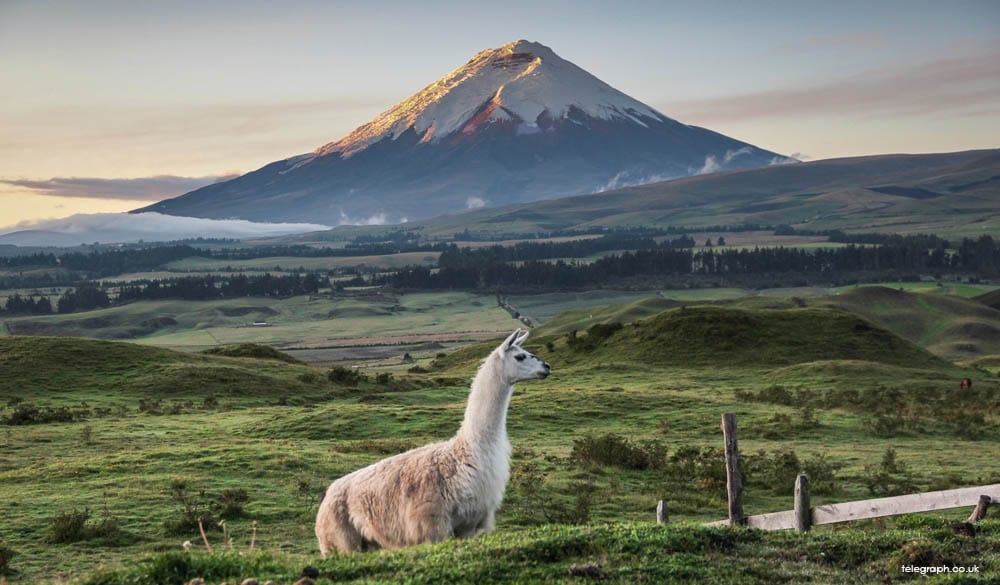
Ecuador's highest mountains are glaciated volcanoes along the "Avenue of the Volcanoes", a chain of peaks running north–south through the Andes from near Quito. The big three are Chimborazo (6,263 m), the highest mountain in Ecuador; Cotopaxi (5,897 m), an active volcano and the most popular climb; and Cayambe (5,790 m), which straddles the equator. Other classic climbs include Antisana (5,704 m), Illiniza Sur and Norte, and lower acclimatisation peaks such as Rumiñahui and Pasochoa. Most climbers spend one to three weeks acclimatising on lower peaks before tackling the big volcanoes, and all of the glaciated summits require crampons, an ice axe and a guide or solid glacier skills. Ecuador's mountains can be climbed year-round, but conditions are often best from December to January and June to August. Summit days usually start around midnight to climb while the snow is frozen.
| Mountain | Height (approx.) | Difficulty | Notes |
|---|---|---|---|
| Chimborazo | 6,263 m | Hard (glacier, long summit day) | Highest in Ecuador; summit is the farthest point from Earth's centre |
| Cotopaxi | 5,897 m | Moderate (glacier) | Active volcano; access depends on volcanic activity |
| Cayambe | 5,790 m | Moderate (crevassed glacier) | On the equator |
| Antisana | 5,704 m | Hard (technical glacier) | Remote, crevassed, less climbed |
| Illiniza Sur | ~5,248 m | Hard (steep ice) | Technical ice and mixed |
| Illiniza Norte | ~5,126 m | Moderate (rock scramble) | Popular acclimatisation peak |
| Rumiñahui | ~4,712 m | Easy to moderate scramble | Acclimatisation near Cotopaxi |
| Pasochoa | ~4,200 m | Easy hike | First acclimatisation hike |
Heights are commonly published figures and vary slightly between sources.
Why climb in Ecuador?
Ecuador is one of the best places in the world for high-altitude mountaineering. Several glaciated volcanoes over 5,000 m are within a few hours' drive of Quito, which is itself at about 2,850 m. Many climbs use mountain huts (refugios), and summit attempts often take just two days from the city. That makes Ecuador a popular place to gain altitude experience before bigger objectives such as Aconcagua, Denali or the Himalaya.
The volcanoes rise from páramo grasslands and are surrounded by national parks with wildlife such as Andean condors, llamas and wild horses. Combine climbing with the Amazon, cloud forests or the Galápagos for a varied trip.
Chimborazo (6,263 m)
Chimborazo is Ecuador's highest mountain and an inactive stratovolcano. Because the Earth bulges at the equator, its summit is the farthest point on Earth's surface from the planet's centre, even though it is much lower than Everest above sea level.
Most climbers use the normal route from the Whymper or Carrel huts. The climb crosses rocky ground and then a glacier to the Veintimilla summit, then continues across a plateau to the slightly higher Whymper summit, the true top. Summit day is long, often 8 to 12 hours, and the snow conditions vary significantly. Chimborazo is a serious climb that requires good acclimatisation, glacier skills and fitness.
Best for: Climbers with previous glacier experience who are well acclimatised. See the Chimborazo page.
Cotopaxi (5,897 m)
Cotopaxi is one of the world's highest active volcanoes and Ecuador's most popular climb. It is a near-perfect cone with a summit crater. The normal route climbs from the José Rivas refuge on the north side, up the glacier to the crater rim.
Cotopaxi had periods of eruptive activity in 2015 and again in 2022–23, and the national park authorities have closed or restricted summit climbs during these periods. Always check the current status before planning a Cotopaxi climb.
Best for: Fit climbers with basic glacier skills, after acclimatising on lower peaks. See the Cotopaxi page.
Cayambe (5,790 m)
Cayambe, about 60 km northeast of Quito, is Ecuador's third-highest mountain. The equator crosses its southern slopes, making it the highest point on the equator and the only place on the equator with permanent snow and ice.
The climb starts from the Ruales-Oleas-Berge refuge. The glacier on Cayambe is heavily crevassed and the route changes from year to year, with a steep section near the top. Weather on Cayambe can be wet and windy because of its position close to the Amazon basin.
Best for: Climbers with glacier travel experience who want a less crowded alternative to Cotopaxi. See the Cayambe page. Cayambe is also an excellent place to practise glacier skills: see the basics of glacier travel.
Antisana (5,704 m)
Antisana is Ecuador's fourth-highest mountain and one of its most challenging. It is heavily glaciated with many crevasses and seracs, and there is no hut, so climbers camp. Route finding can be difficult. Access to Antisana is managed by the national park, and guides arrange permission.
Best for: Experienced mountaineers looking for a remote, technical climb.
The Illinizas
The Illinizas are twin peaks south of Quito. Illiniza Norte (about 5,126 m) is a rocky scramble with some exposure and is a popular acclimatisation climb. Illiniza Sur (about 5,248 m) is glaciated and much more technical, with steep ice and sometimes mixed climbing. The two peaks share a refuge on the saddle between them.
Acclimatisation peaks
Before climbing the big volcanoes, most climbers acclimatise on lower peaks:
- Pasochoa (~4,200 m) and Rucu Pichincha (~4,700 m) near Quito.
- Rumiñahui (~4,712 m) in Cotopaxi National Park. See the Rumiñahui page.
- Illiniza Norte (~5,126 m).
- Imbabura (~4,630 m) in the north.
A good acclimatisation plan is the key to success in Ecuador. Going too high too quickly is the most common reason climbers fail on Cotopaxi or Chimborazo.
A typical Ecuador volcano itinerary
| Days | Plan |
|---|---|
| 1–2 | Arrive in Quito (~2,850 m), rest and explore |
| 3–4 | Acclimatisation hikes: Pasochoa or Rucu Pichincha |
| 5–6 | Illiniza Norte or Rumiñahui |
| 7–8 | Cayambe or Cotopaxi |
| 9–10 | Rest and travel |
| 11–12 | Chimborazo |
| 13–14 | Spare days for weather, return to Quito |
Many operators offer shorter programmes focused on Cotopaxi only, or longer programmes including Antisana or the Illiniza Sur.
Other notable Ecuador mountains
Beyond the classic climbs, Ecuador has many other striking peaks:
- El Altar (Capac Urcu): A collapsed volcano with a ring of jagged summits around a crater lake. Its highest point, El Obispo, is a serious technical climb.
- Sangay: One of the most active volcanoes in the Andes, in a remote, wet area of the eastern cordillera. It is rarely climbed because of frequent eruptions.
- Tungurahua: An active volcano above the town of Baños. Its activity has made climbing unsafe for long periods.
- Carihuairazo: A neighbour of Chimborazo, often climbed as an acclimatisation peak, with a small glacier near the top.
- Sincholagua and Corazón: Quieter peaks near Quito, good for acclimatisation and views of Cotopaxi.
For anyone planning a longer trip, these peaks add variety and solitude.
Guide requirements and park rules
Ecuador's main glaciated volcanoes lie inside national parks. On the most popular peaks, including Cotopaxi and Chimborazo, climbers are generally required to climb with a certified guide, and park rules and access can change, especially when volcanic activity rises. Reputable operators handle park permissions and hut reservations. Always confirm the latest rules with your operator before you travel.
Altitude in Ecuador
The rapid access to high altitude is both an advantage and a risk. You can drive from Quito to a hut at around 4,800 m in a few hours, which makes it easy to go too high too fast. Acute mountain sickness (AMS) is common among climbers who skip acclimatisation. Symptoms include headache, nausea, fatigue and poor sleep. If symptoms worsen, descend. Read ExpedReview's guide to acute mountain sickness before you go.
The huts (refugios)
Many of Ecuador's climbs start from mountain refuges. They offer bunk beds, simple meals and a place to rest before a midnight start. Huts can be busy on weekends, especially on Cotopaxi, and conditions are basic. Some peaks, such as Antisana, have no hut, so climbers camp. Your guide will usually reserve hut space and arrange food.
Combining Ecuador with other climbs
Ecuador works well as part of a longer Andes trip. Many climbers acclimatise in Ecuador before going to Peru's Cordillera Blanca or Bolivia, or use Ecuador as preparation for Aconcagua. See ExpedReview's Alpamayo and Aconcagua pages.
When to climb in Ecuador
Ecuador's mountains can be climbed year-round because the country sits on the equator. Weather differs between the eastern and western ranges. Many guides consider December to January and June to August the best periods, but conditions vary each year. Expect cold nights, strong sun and the possibility of storms at any time.
Difficulty and skills
The main Ecuador volcanoes are non-technical to moderately technical, but they are serious high-altitude climbs. You need:
- Experience with crampons and an ice axe, including self-arrest.
- Glacier travel and roping skills.
- Good fitness for long summit days starting around midnight.
- Proper acclimatisation.
A guided climb is the best option for most climbers, especially on Chimborazo and Cotopaxi.
Choosing a guide in Ecuador
Ecuador has a strong guiding community, including Ecuadorian guides certified by the national association (ASEGUIM). Look for:
- A good acclimatisation plan.
- Low guide-to-client ratios on summit day, often 1:1 or 1:2.
- Clear policies for weather and volcanic activity.
- Verified reviews from past climbers.
Ecuador operators with at least two verified reviews on ExpedReview (data as of 22 October 2026):
| Operator | Mountain | ER rating | Reviews |
|---|---|---|---|
| Climbing the Seven Summits | Cayambe | 4.9 | 6 |
| Summit Stoke | Cotopaxi | 5.0 | 2 |
See the full lists on the Chimborazo, Cotopaxi and Cayambe pages.
Gear for Ecuador's volcanoes
- Warm, insulated mountaineering boots (B2–B3). See our mountaineering boots guide.
- Crampons, ice axe, harness and helmet.
- Warm layers, including a down jacket and insulated mitts.
- Waterproof shell, as weather can be wet.
- Headtorch for night starts.
- Glacier glasses and sunscreen for strong equatorial sun.
Volcanic activity: check before you go
Several of Ecuador's mountains are active volcanoes, and their status can change at short notice. Cotopaxi erupted in 2015 and was closed to climbers until 2017; renewed activity from late 2022 led to further restrictions on access to the summit. Other active volcanoes include Sangay, Reventador and Tungurahua, which is not normally climbed.
The Instituto Geofísico of the Escuela Politécnica Nacional (IG-EPN) monitors Ecuador's volcanoes and publishes alerts, and the Ministry of Environment announces park and route closures. Before you book, ask your guide company how they track volcanic status and what alternative peaks they offer if your main objective is closed. A good itinerary has a backup: Cayambe or Antisana can replace Cotopaxi, for example.
Quito: a natural acclimatisation base
Most climbing trips start in Quito, which sits at about 2,850 m. Spending two or three days in the city and on walks around it, such as the Rucu Pichincha hike above the TelefériQo cable car, helps your body begin adjusting before the higher acclimatisation peaks. Quito's old town is also a UNESCO World Heritage Site, so rest days there are well spent. From Quito, the main volcanoes are within a few hours' drive, which makes Ecuador one of the most efficient places in the world to climb several high peaks in a short trip.
Frequently asked questions
What is the highest mountain in Ecuador?
Chimborazo, at about 6,263 m.
What are the main mountains in Ecuador?
Chimborazo, Cotopaxi, Cayambe, Antisana, the Illinizas, Rumiñahui and Pichincha are among the most climbed.
Can beginners climb Cotopaxi?
Fit beginners can climb Cotopaxi with a guide after acclimatising and learning basic crampon and ice axe skills, if the volcano is open.
Is Cotopaxi open for climbing?
Access depends on volcanic activity. Check with the national park or your guide before booking.
When is the best time to climb in Ecuador?
Climbs are possible year-round, with December to January and June to August often considered best.
How long do you need to climb Chimborazo?
Usually around two weeks in Ecuador, including acclimatisation. The climb itself takes two days from the hut.
Why is Chimborazo the farthest point from Earth's centre?
Because the Earth bulges at the equator, Chimborazo's summit is farther from the planet's centre than any other point on its surface.
What is the Avenue of the Volcanoes?
The chain of volcanoes running north–south through Ecuador's Andes, including Cotopaxi, Chimborazo and the Illinizas.
Do you need a guide to climb in Ecuador?
On the main glaciated volcanoes, such as Cotopaxi and Chimborazo, climbers are generally required to use a certified guide. Check current park rules with your operator.
Is Cayambe on the equator?
Yes. The equator crosses Cayambe's southern slopes, making it the highest point on the equator and the only place on it with permanent snow and ice.
Which Ecuador volcano should I climb first?
Most climbers start with acclimatisation hikes such as Pasochoa or Rucu Pichincha, then Illiniza Norte, before attempting Cotopaxi or Cayambe. Chimborazo usually comes last.
How hard is it to climb Chimborazo?
It is a serious high-altitude climb with a long glacier summit day. It is best attempted after climbing Cotopaxi or Cayambe and acclimatising well.
Is Ecuador good for a first high-altitude climb?
Yes. The main volcanoes are close to Quito, have huts or high camps, and are glaciated but mostly non-technical, making Ecuador a popular place to gain experience above 5,000 m with a guide. Check the status of active volcanoes such as Cotopaxi before you book.
Tags: ecuador, chimborazo, cotopaxi, cayambe, andes