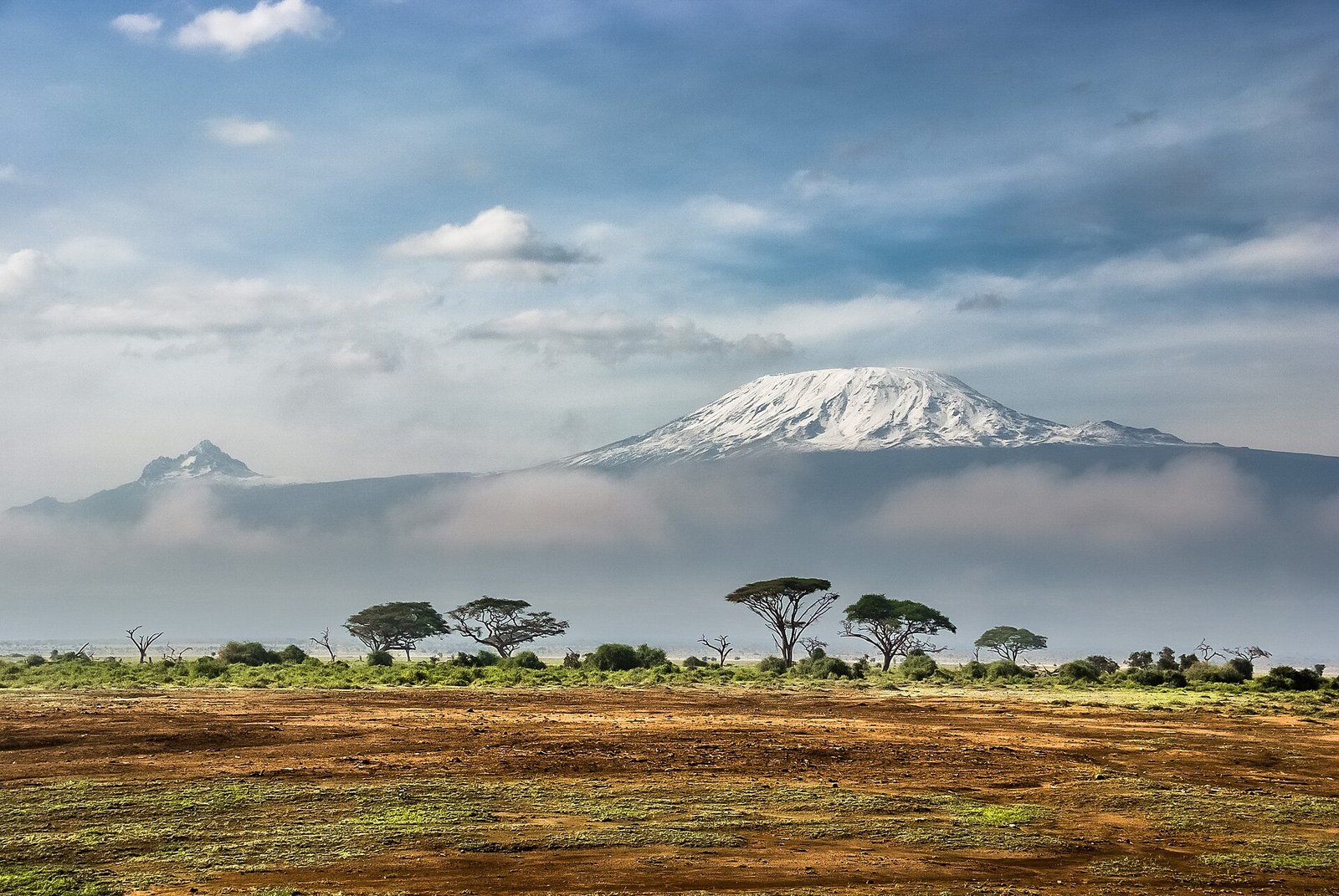
Best Time to Climb Kilimanjaro: Month-by-Month Guide to Seasons, Weather and Crowds
The best times to climb Kilimanjaro are the two drier periods, roughly January to early March and June to October. The long rains, around April and May, are the wettest and quietest months, and the short rains, around November and early December, bring showers that are usually manageable. You can climb all year, as Kilimanjaro is close to the equator, but summit night is always below freezing. ExpedReview's verified reviews with a trip date follow the same pattern: of 33 dated reviews counted on 20 October 2026, March, February and August were the busiest months, and only one came from April or May. On ExpedReview, as of 23 October 2026, 21 operators have 75 verified client reviews for the Kilimanjaro climb. Below are the rankings, then a month-by-month guide.
| Summit | Uhuru Peak, 5,895 m |
| Best periods | January to early March; June to October |
| Wettest period | Long rains, around April and May |
| Short rains | Around November and early December |
| Busiest months | Dry-season months, especially around holidays |
| Summit night temperature | Well below freezing all year |
| ER reviews with a trip date | 33, busiest in March, February and August (counted 20 Oct 2026) |
| ER operators with reviews | 21, with 75 reviews (as of 23 Oct 2026) |
Kilimanjaro operators with verified reviews
ExpedReview ranks operators by their verified client reviews for each place: the star rating, adjusted so one or two reviews, or only old ones, count for less than many recent ones. Every review is checked by hand before it is published, critical reviews stay up, and operators cannot pay to appear or rank higher. Prices are the operators' own guide-listed "from" prices, not quotes. Data as of 23 October 2026: 21 operators with 75 verified reviews for the Kilimanjaro climb. The top 12 are shown; see the Kilimanjaro page for all.
| Rank | Operator | Rating here | Reviews | Latest review | Guide-listed price |
|---|---|---|---|---|---|
| 1 | Altezza Travel | 5.0★ | 14 | October 2026 | From US$2,600 |
| 2 | Bundi Travel | 5.0★ | 9 | September 2026 | From US$2,100 |
| 3 | H.E.C. Kilimanjaro | 5.0★ | 10 | February 2026 | No recent price listed |
| 4 | Peak Planet | 5.0★ | 5 | September 2026 | No recent price listed |
| 5 | Climbing The Seven Summits | 5.0★ | 5 | May 2026 | From US$6,495 |
| 6 | Twiga Hiking Travel | 5.0★ | 3 | August 2026 | From US$1,620 |
| 7 | Nafika Tours | 5.0★ | 3 | June 2026 | From US$1,750 |
| 8 | Kilimanjaro Umoja Tours | 5.0★ | 3 | August 2025 | From US$1,800 |
| 9 | Dodo Group Tanzania Limited | 5.0★ | 4 | November 2022 | No recent price listed |
| 10 | Tranquil Kilimanjaro | 5.0★ | 2 | August 2026 | No recent price listed |
| 11 | G-family Adventures | 5.0★ | 3 | July 2024 | No recent price listed |
| 12 | Great Lake Expedition | 5.0★ | 3 | May 2021 | From US$1,000 |
One operator, Ascend Tanzania, has a 1.6★ rating from 2 reviews (latest April 2026). Read critical reviews in full on its profile.
What clients say
Recent Kilimanjaro reviews are strongly positive. An Altezza Travel client who climbed the seven-day Machame route with her daughter and a friend in October 2026 wrote that "Altezza Travel earned it", and another praised a "huge" gear warehouse for renting kit. A Bundi Travel group of eight (September 2026) described the 8-day Lemosho route, starting with a driver "waiting for us with a placard and a big smile". Several Peak Planet clients (September 2026) praised the guides, the food and the company's "ethical porter treatment". A Tranquil Kilimanjaro couple (August 2026) acclimatised on Mount Meru before the Machame route and called it "the hardest thing we ever did as a couple but worth every penny".
Kilimanjaro's seasons
Kilimanjaro sits about 330 km south of the equator in northern Tanzania, so it does not have a summer and winter in the way that higher-latitude mountains do. Instead, its year is shaped by two rainy seasons and two drier seasons.
| Period | Conditions | Trade-off |
|---|---|---|
| January to early March | Generally dry, with clear views and cold summit nights | Popular around holidays |
| Late March to May | Long rains, with muddy trails and cloud | Quietest; some operators pause |
| June to October | Main dry season, with colder nights | Busiest months |
| November to December | Short rains | Showers, usually manageable |
These are general climate patterns for northern Tanzania, not official park statistics. Weather varies from year to year, and it can rain or snow in any month.
Month by month
January and February are among the best months to climb. The weather is usually dry and clear, and it is slightly warmer than in the June to October season. Snow can cover the summit, which makes for spectacular views. These months are popular, though less crowded than July and August.
March is often still dry in the first half, but the long rains can begin late in the month. In ExpedReview's dated reviews, March was the busiest month, with 8 of 33 reviews.
April and May are the long rains. Trails can be muddy, the lower forest is very wet, and cloud often hides the views. Snow is more likely higher up. Some operators run fewer climbs, and the mountain is quiet. Only one of ExpedReview's dated reviews came from these two months.
June marks the start of the main dry season. Nights are colder, but the skies are often clear.
July and August are the busiest months, coinciding with summer holidays in Europe and North America. The weather is usually dry and clear, but nights are cold. Expect more people on the popular routes.
September and October are also dry and popular, with slightly fewer people than in July and August. Many climbers see these as the best months.
November brings the short rains, usually as afternoon showers. The mountain is quieter.
December is often drier in the second half, and climbs around Christmas and New Year are popular.
When ExpedReview reviewers climbed
| Month | Verified reviews with that trip month |
|---|---|
| January | 4 |
| February | 6 |
| March | 8 |
| April | 0 |
| May | 1 |
| June | 4 |
| July | 0 |
| August | 5 |
| September | 3 |
| October | 2 |
| November | 0 |
| December | 0 |
Counted from 33 verified ExpedReview Kilimanjaro reviews with a trip date, 20 October 2026. This is a small sample and reflects who writes reviews as well as when people climb.
Summit night and temperatures
Whatever the month, summit night is cold. Most climbers leave their high camp around midnight and climb for six to eight hours to reach the crater rim and Uhuru Peak around sunrise. Temperatures at the summit are usually well below freezing, and wind chill can make it feel much colder. In the rainforest at the start of the climb, it is warm and humid. You pass through several climate zones in a few days, so pack layers for everything from tropical heat to arctic cold.
Which route suits each season?
In the wetter months, many climbers prefer the Rongai route on the drier northern side, or the Marangu route, which has huts. In the dry seasons, Lemosho and Machame are the most common choices, and the long Northern Circuit spreads people out. See our Kilimanjaro route guide.
Full-moon climbs
Some climbers time their summit night for a full moon, which lights the path and the crater without head torches. Full-moon dates are popular and can be busier. If you want one, book early and ask your operator to plan your itinerary so summit night falls on or near the full moon.
Crowds
Kilimanjaro is one of the most-climbed high mountains in the world, and the dry-season months can be busy on popular routes. If you want a quieter experience, consider the shoulder months, a longer route such as Lemosho or the Northern Circuit, or a less-used route such as Rongai.
The climate zones you pass through
A Kilimanjaro climb crosses five broad climate zones in less than a week. The lower slopes are farmland. Above them, from about 1,800 m, is montane rainforest, warm, humid and often wet even in the dry seasons. Higher up, the forest gives way to heath and moorland, with giant groundsels and lobelias. Above about 4,000 m is the alpine desert, a dry, rocky landscape with strong sun by day and cold nights. The summit zone, above about 5,000 m, is arctic, with glaciers, snow and very thin air. The season affects each zone differently: in the rains, the forest and moorland are muddiest, and snow is more likely in the summit zone.
The glaciers and snow
Kilimanjaro's glaciers have shrunk dramatically over the past century, and scientists expect much of the remaining ice to disappear in the coming decades. Snow can fall on the summit in any month, but is more common in the rainy seasons. Fresh snow makes the final climb to the crater rim harder and colder, and some operators carry microspikes for icy sections. Ask your operator what to bring for the month you plan to climb.
Combining Kilimanjaro with other trips
Many climbers combine Kilimanjaro with a beach stay in Zanzibar, or with Mount Meru, a 4,566 m volcano in Arusha National Park that makes a good acclimatisation climb. If you plan to add Meru, which helps acclimatisation and improves your summit chances, climb it first. The best times for Meru are the same dry seasons as Kilimanjaro.
Planning around holidays
Christmas, New Year, Easter and the European and North American summer holidays are the busiest times on the mountain. Book several months ahead for these dates, especially if you want a particular operator, a private climb or a full-moon summit night. Quieter months, such as early June or November, may offer more choice and smaller groups.
Weather and your success chances
The season affects your comfort, but your summit chances depend more on how many days you spend on the mountain. Longer itineraries give your body more time to acclimatise. Kilimanjaro National Park figures from 2006, widely republished by operators, put success at about 27% on 5-day climbs and 85% on 8-day climbs. See our Kilimanjaro success rate guide. Bad weather can make summit night harder, but most failures on Kilimanjaro are due to altitude, not weather.
What to pack for each season
In every season, you will need warm layers, a down jacket, insulated gloves, a warm hat and a sleeping bag rated well below freezing for summit night and the high camps. In the rainy seasons, add good waterproofs, gaiters, extra dry bags and spare socks. In the dry seasons, dust can be a problem in the alpine desert, so bring a buff. Strong sun is a risk all year, so pack sunscreen, sunglasses and a sun hat. Many operators rent gear, which is useful for travellers who do not own cold-weather kit.
Booking the right dates
Choose your dates first by season, then by route and itinerary length, then by operator. Ask your operator:
- Which months it runs climbs and whether it runs during the rains.
- How many people will be on your climb, and whether it offers private departures.
- What happens if bad weather affects your climb, including on summit night.
- Whether it can time your summit night with a full moon.
- How it supports porters in bad weather, including gear and shelter.
Getting there in each season
Most climbers fly into Kilimanjaro International Airport, between Moshi and Arusha, and spend a night in one of those towns before the climb. Flights are busiest and most expensive in the main holiday periods. Arrive at least a day before your climb so you can rest, check your gear with your guide and recover from the flight. In the rainy seasons, roads to some trailheads can be muddy, which may add time to the drive.
Porters and the seasons
Each climber on Kilimanjaro is supported by a team of guides, cooks and porters, who carry tents, food and equipment. Bad weather is hardest on porters, who carry heavy loads on slippery trails and sleep in basic shelters. Choose an operator that pays fair wages, limits loads, provides proper waterproof and cold-weather gear, and feeds its crew well. Several reviewers on ExpedReview mention porter treatment, and the Kilimanjaro Porters Assistance Project works to improve conditions. Ask your operator how it treats its crew, especially if you climb in the rains.
How long to plan for
Most Kilimanjaro climbs last between five and nine days on the mountain, plus travel days. In any season, choose at least seven days, and preferably eight or more, for the best chance of success. Longer routes such as Lemosho and the Northern Circuit also offer better scenery and quieter camps.
Frequently asked questions
What is the best month to climb Kilimanjaro?
The drier months, roughly January to early March and June to October.
Can you climb Kilimanjaro in April?
Yes, but April and May are the long rains. Trails are wetter, the mountain is quieter and views are less reliable.
Is Kilimanjaro crowded?
The dry seasons are busiest. Longer, less-used routes spread people out.
What is the coldest month on Kilimanjaro?
Nights are coldest in the June to October dry season, but summit night is below freezing in every month.
Is it worth climbing Kilimanjaro in the rainy season?
It can be, if you want fewer people and accept wetter trails. Choose a drier route, such as Rongai.
When is the full moon on Kilimanjaro?
It changes every month. Check a lunar calendar and ask your operator to plan your summit night around it.
How cold is the summit of Kilimanjaro?
Summit temperatures are usually well below freezing, and wind can make it feel much colder.
Should I climb Mount Meru first?
Many climbers do. Meru helps acclimatisation and improves summit chances on Kilimanjaro.
Can operators pay to rank higher on ExpedReview?
No. Operators cannot pay to appear, rank higher or have reviews removed.
Related articles
- How to choose a guide
- Who Are the Best-Reviewed Kilimanjaro Operators? (US$20–25,)
Kilimanjaro operators ranked only by verified ExpedReview client reviews, with listed prices and the questions to ask before booking.
- How Much Does It Cost to Climb Kilimanjaro? Prices, Park Fees, Tips and What a Fair Quote Includes (US$1,000 to US$6,495)
Listed Kilimanjaro prices on ExpedReview, the fixed park fees under every quote, and why very cheap climbs are a warning sign.
- Kilimanjaro Success Rate: What Percentage of Climbers Reach the Summit?
The only official Kilimanjaro summit figures, why operator success rates differ so much, and what actually improves your odds.
- Kilimanjaro Gear List: The Complete Packing List for Every Route and Season
The complete Kilimanjaro packing list: layering for five climate zones, boots, summit-night clothing, sleeping bag ratings, daypack and duffel, water, electronics, medical kit, what porters carry, weight limits, the plastic-bag ban and what to rent in Moshi or Arusha.