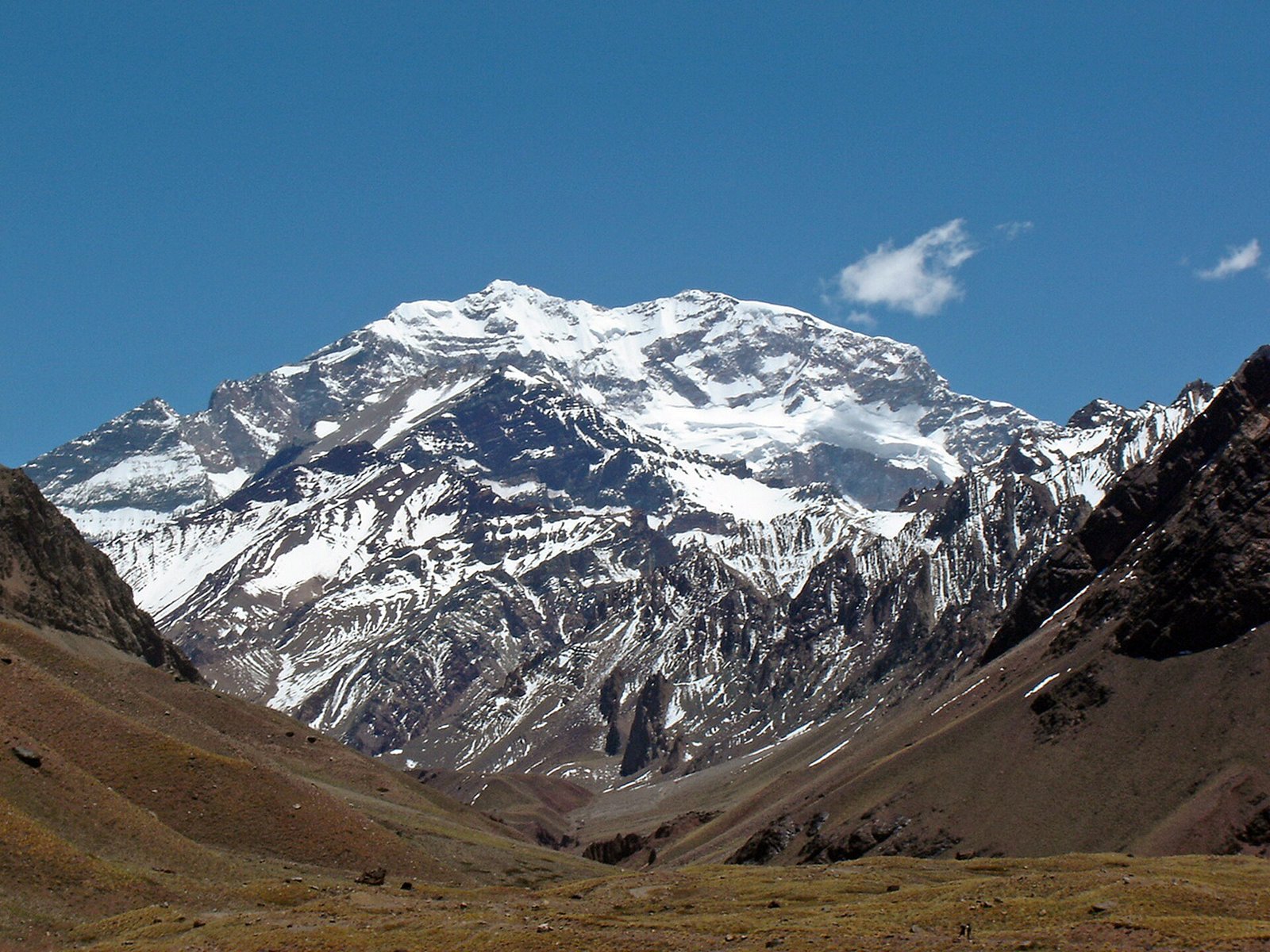
Aconcagua Gear List: The Complete Packing List for the Normal Route and Polish Glacier (2026–27)
To climb Aconcagua (6,961 m), you need full high-altitude cold-weather gear, even though the Normal Route is not technical: insulated double boots (or warm single boots with overboots), a sleeping bag rated to around -20°C to -30°C, a big down jacket with a hood, a complete layering system, expedition mitts, crampons, an ice axe, a harness on the Polish Glacier Traverse, and strong sun and wind protection. Summit days are long, cold and often very windy, and temperatures well below -20°C with wind chill are common high on the mountain. Mules carry your bags to base camp, but above it you carry your own loads unless you hire porters. You also need a climbing permit from Aconcagua Provincial Park; for the 2025–26 season, the advance-sale price for international climbers was US$980 via the Horcones valley and US$1,200 via the Vacas valley. Most guided climbers get a detailed list from their operator, which supplies group gear such as tents, stoves and ropes. Compare Aconcagua operators by verified climber reviews on ExpedReview's Aconcagua page.
| Fact | Detail |
|---|---|
| Height | 6,961 m |
| Location | Aconcagua Provincial Park, Mendoza, Argentina |
| Main routes | Normal Route (Horcones); Polish Glacier Traverse / 360° (Vacas) |
| Typical expedition | About 18–21 days |
| Season | Roughly November to March (2025–26 park season: 1 Nov 2025 to 30 Apr 2026) |
| Permit 2025–26, foreigners (advance sale) | US$980 Horcones / US$1,200 Vacas |
| Highest-rated operators (ER reviews) | Furtenbach Adventures 5.0 (2), CTSS 4.9 (7), 360 Expeditions 4.5 (7) |
Why Aconcagua gear matters
Aconcagua has a reputation as a "walk-up" because the Normal Route needs little technical climbing. That reputation catches people out. The mountain is almost 7,000 m high, the air at the summit holds well under half the oxygen of sea level, and the weather is driven by strong westerly winds from the Pacific. The famous "viento blanco" (white wind) can bring sudden storms, and high winds and cold cause much of the frostbite and many of the rescues on the mountain. Your gear needs to keep you warm on a summit day that can last 10 to 14 hours, while also coping with hot, dusty days on the approach.
Aconcagua is also very dry. The air dehydrates you and cracks lips and skin, and the sun at altitude is intense. Sun protection, lip balm and a way to carry plenty of water matter as much as down.
Footwear
Boots are the most important part of your kit.
| Item | What to look for |
|---|---|
| Mountaineering boots | Insulated double boots, or warm single boots rated for 6,000 m+ with overboots; crampon-compatible |
| Approach shoes or trail runners | For the trek to base camp |
| Camp shoes or sandals | For base camp and river crossings |
| Gaiters | For scree and snow (some double boots have built-in gaiters) |
| Socks | Several pairs of liner and heavy wool or synthetic socks |
Most climbers use double boots on Aconcagua. Boots designed for 6,000 m peaks, such as plastic or synthetic double boots, keep feet warm on summit day. Some climbers use very warm single boots on the Normal Route, but frostbite of the toes is one of the most common injuries on the mountain, so choose warmth over weight. Break your boots in before the trip. See our guide to mountaineering boots for different altitudes.
For river crossings on the approach, especially in the Vacas valley, camp sandals or old trainers protect your feet.
Clothing and layers
| Layer | Items |
|---|---|
| Base layers | 2 lightweight tops, 1 heavier top, 1–2 pairs of long underwear (merino or synthetic) |
| Trekking clothes | Lightweight trousers and a sun shirt for the approach |
| Mid layers | Fleece or light insulated jacket; insulated or softshell trousers |
| Shell | Waterproof, windproof hardshell jacket and trousers |
| Insulation | Expedition down jacket with hood (rated for 7,000 m); insulated trousers or down pants for summit day |
| Hands | Liner gloves, warm gloves, expedition mitts, plus a spare pair |
| Head and face | Sun hat, warm hat, balaclava, buff or neck gaiter |
| Eyes | Glacier glasses (category 4) and goggles |
The approach to base camp can be hot, with temperatures well above 20°C in the valleys, so pack light trekking clothes and sun protection. Higher up, conditions change completely. Above Camp 2, nights are cold, and summit day is very cold and windy. A big down jacket with a hood is essential, and many climbers wear insulated or down trousers on summit day.
Hands are vulnerable on Aconcagua. Bring liner gloves, a warm pair of gloves for moving, and expedition mitts for summit day, plus a spare pair. Chemical hand warmers are useful.
Sleeping system
| Item | Notes |
|---|---|
| Sleeping bag | Rated to around -20°C to -30°C (comfort, not extreme) |
| Sleeping mats | Inflatable mat plus closed-cell foam mat |
| Compression sack | For packing the sleeping bag |
| Pee bottle | Clearly marked, wide-mouthed |
Nights at the high camps are cold. A down sleeping bag rated to about -20°C to -30°C is standard. Use two mats, an inflatable mat and a closed-cell foam mat, to insulate you from the frozen ground and to give you a backup if one punctures.
Technical gear
| Item | Normal Route | Polish Glacier Traverse |
|---|---|---|
| Crampons | Yes (may be needed high on the route) | Yes |
| Ice axe | Yes (walking axe) | Yes |
| Harness | Usually not | Yes |
| Helmet | Recommended | Yes |
| Carabiners and slings | Usually not | Yes |
| Trekking poles | Yes | Yes |
On the Normal Route, crampons and an ice axe may be needed on the upper slopes, depending on snow conditions. Steel crampons that fit your boots are best. On the Polish Glacier Traverse, which crosses glaciated terrain and joins the Normal Route high on the mountain, you usually need a harness, helmet and basic glacier gear, depending on conditions and your operator's plan. Trekking poles are useful on scree and the long descents.
Packs and bags
| Item | Notes |
|---|---|
| Expedition pack | 65–80 litres for carrying loads between camps |
| Daypack | 30–40 litres for the approach and summit day (some use their main pack) |
| Duffel bags | Strong duffel bags for mule transport to base camp |
| Dry bags | For organising gear and keeping it dry |
Mules carry duffel bags from the trailhead to base camp. Operators usually set weight limits per climber, so check them before you pack. Above base camp, you carry your share of personal and group gear to higher camps unless you hire porters, who are widely available but charged separately.
Other essentials
- Sunscreen (SPF 50) and lip balm with SPF.
- Water bottles (wide-mouthed, insulated covers) and a thermos.
- Headlamp with spare batteries.
- Personal first-aid kit, including blister care and any medication prescribed by your doctor.
- Water treatment tablets or a filter, as water at camps comes from streams or melted snow.
- Pee bottle and toilet supplies. The park requires climbers to carry out their waste and rubbish, and operators explain the system at base camp.
- Toiletries, wipes and hand sanitiser.
- Snacks you like eating at altitude.
- Phone, camera and power bank or solar charger. Base camps often have charging and some connectivity for a fee.
- Passport and copies, permit, insurance details and cash.
How to layer on summit day
Summit day on the Normal Route usually starts in the dark from Colera or Berlín and can take 10 to 14 hours. A typical system:
- Start: base layer top and bottom, fleece or light insulated top, insulated or softshell trousers, hardshell trousers, and your big down jacket over everything, because it is coldest before sunrise. Wear a warm hat, a balaclava or buff, and expedition mitts, with liner gloves underneath.
- After sunrise: once the sun hits the slopes, you may be able to swap mitts for warm gloves and open your jacket, but keep the down jacket on in strong wind. Put on glacier glasses or goggles.
- The Gran Acarreo and the Canaleta: the long traverse and the steep, loose gully below the summit are often windy. Keep extra layers easy to reach, and use goggles if spindrift or dust is blowing.
- Descent: you will be tired, so keep drinking and eating, and do not take off layers too early as the wind can pick up in the afternoon.
Keep water bottles inside your jacket or in insulated covers so they do not freeze, and carry snacks in a pocket so you can eat without stopping for long.
Gear for the Polish Glacier Traverse (360° route)
The Polish Glacier Traverse approaches through the Vacas valley to Plaza Argentina base camp, then crosses to the Normal Route high on the mountain. Because you move camp over the mountain rather than returning the same way, you usually carry heavier loads between camps, and porters are popular. The route crosses higher, more exposed terrain, so a harness, helmet and basic glacier kit are often required. The Vacas approach has river crossings, so pack camp sandals and a small towel.
Looking after your gear and electronics
Cold drains batteries quickly. Keep your phone, camera and spare batteries in an inside pocket during the day and in your sleeping bag at night. Lithium batteries work best in the cold. Dust gets into everything on Aconcagua, so use dry bags or stuff sacks to keep clothes and electronics clean, and protect zips. Dry your socks and liners overnight inside your sleeping bag.
What your operator provides
Guided expeditions usually provide group gear such as tents, cooking equipment, stoves and fuel, ropes and group first aid, and sometimes oxygen for emergencies. Many operators rent or loan items such as down jackets, sleeping bags and double boots, which can save money if you do not climb high mountains often. Check your operator's list and ask what is provided before buying anything. To compare operators, see how to choose an Aconcagua operator.
Packing for the approach and base camp
The trek to base camp takes about three days via the Horcones valley and longer via the Vacas valley. On the approach, you carry a daypack with water, snacks, sun protection, a warm layer and a shell, while mules carry the rest. At base camp (Plaza de Mulas on the Normal Route, Plaza Argentina on the Polish Glacier Traverse), you reorganise your gear for the climb. Park medical staff check climbers at base camp before they continue, including blood oxygen levels and blood pressure.
Packing for the climb above base camp
Above base camp, most expeditions follow a "carry high, sleep low" plan, ferrying gear to higher camps and returning to sleep lower, before moving up. Pack carefully so you only carry what you need: every kilogram matters at altitude.
On the Normal Route, the camps are Plaza Canadá (about 4,900 m), Nido de Cóndores (about 5,560 m) and Colera or Berlín (about 5,900–6,000 m). On summit day, you carry only a light pack with your down jacket, mitts, goggles, water, snacks, a headlamp and first-aid items.
Gear mistakes to avoid on Aconcagua
- Underestimating the cold. Summit day can be well below -20°C with wind chill. Bring proper insulation.
- Boots that are not warm enough. Frostbite of the toes is common. Use double boots or very warm boots rated for 6,000 m+.
- Too little sun protection. The dry air and strong sun burn skin and eyes quickly.
- Not enough water capacity. Dehydration contributes to altitude illness.
- Overpacking. Mule weight limits and heavy carries make extra gear a burden.
- Untested gear. Use new boots, crampons and layers before the trip.
Training and preparation
Good gear only helps if you are fit and prepared. Aconcagua is a long expedition with heavy load carries and a very long summit day. Train for at least six months with weighted pack hikes and long days, and gain altitude experience on lower peaks first. See climbing Aconcagua, how to train for mountaineering and what is acute mountain sickness.
Cost and permits
Permits for Aconcagua are sold by Aconcagua Provincial Park and the price depends on the season, the route and when you buy. For the 2025–26 season, the advance-sale price for international climbers was US$980 via Horcones and US$1,200 via Vacas. Guided expeditions and mule transport are charged separately. For a full breakdown, see the Aconcagua cost guide.
Frequently asked questions
What gear do I need for Aconcagua?
Double boots or very warm 6,000 m boots, a sleeping bag rated to around -20°C to -30°C, an expedition down jacket, a full layering system, expedition mitts, crampons, an ice axe and strong sun protection. The Polish Glacier Traverse also needs a harness and helmet.
Do you need crampons on Aconcagua?
Usually yes. Crampons and an ice axe may be needed on the upper Normal Route depending on conditions, and they are needed on the Polish Glacier Traverse.
What boots should I wear on Aconcagua?
Insulated double boots are the most common choice. Warm single boots with overboots can work on the Normal Route, but frostbite of the toes is a common injury, so choose warmth.
How cold is it on Aconcagua?
The approach can be hot, but nights at high camps are cold, and summit day can be well below -20°C with wind chill.
Do mules carry gear on Aconcagua?
Yes, mules carry duffel bags to base camp. Above base camp, you carry your own gear unless you hire porters.
Can I rent gear for Aconcagua?
Many operators rent or loan items such as down jackets, sleeping bags and boots, and there are rental shops in Mendoza.
What sleeping bag do I need for Aconcagua?
A down bag rated to around -20°C to -30°C (comfort rating), with two sleeping mats.
How much does an Aconcagua permit cost?
For 2025–26, the advance-sale price for international climbers was US$980 via Horcones and US$1,200 via Vacas.
What should I carry on Aconcagua summit day?
A light pack with your down jacket, expedition mitts and spare gloves, goggles and glacier glasses, at least a litre or two of water in insulated bottles, snacks, a headlamp, sun protection and a small first-aid kit.
Do I need porters on Aconcagua?
No, but many climbers hire porters to carry loads between high camps, especially on the Polish Glacier Traverse. They are charged separately.
Related articles
- Who Are the Best-Reviewed Aconcagua Guide Companies? (US$1,170–2,000)
Aconcagua operators ranked by verified ExpedReview reviews, with category ratings, listed prices and how to compare them.
- Best operators
- How Much Does Aconcagua Cost? Permits, Guided Prices and Extra Costs (US$5,450 to US$9,995)
Aconcagua park permit fees for foreign climbers in the 2025–26 season, listed guided prices on ExpedReview, and what 'assisted' means.
- Climbing Aconcagua: Routes, Itinerary, Training and Permits (2026–27)
How to climb Aconcagua: Normal Route vs Polish Glacier Traverse, a day-by-day itinerary, camps and altitudes, training plan, best season, permits and fees for 2025–26, difficulty, and how to choose an Aconcagua expedition.