Best Time to Visit Iceland: Month-by-Month Guide for Hikers and Adventurers
By Blake Penson · July 5, 2024
Category: general-travel
8 min read
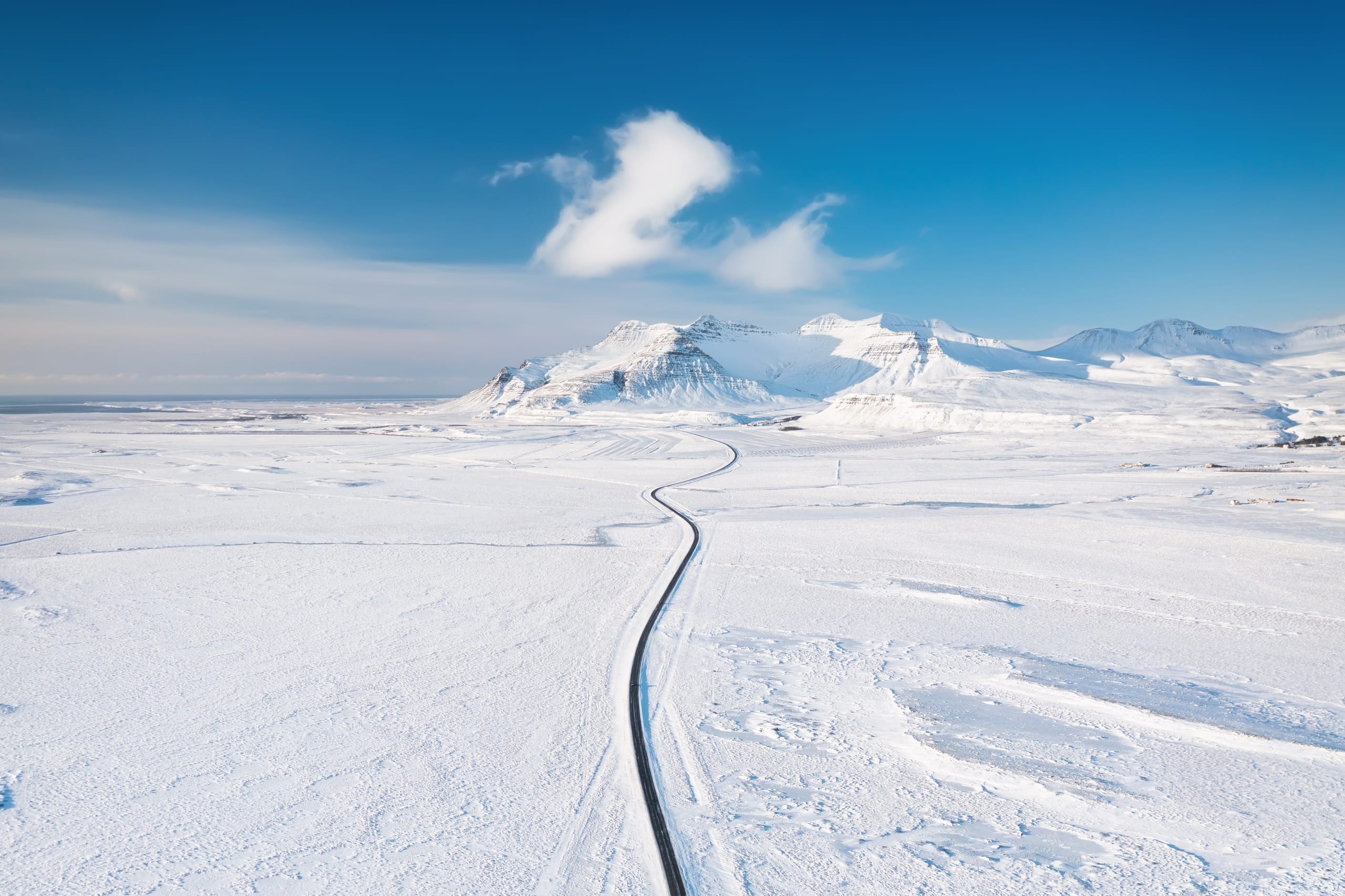
The best time to visit Iceland depends on what you want to do. For hiking, the highlands and long days, go from late June to early September, when the mountain roads open and the sun barely sets. For the northern lights, go between September and early April, when nights are long and dark. For natural ice caves, go from about November to March, with a licensed glacier guide. Shoulder months such as May and September give a good balance of daylight, fewer visitors and lower prices. Below is a month-by-month guide, the main activities by season, and how to stay safe in Iceland's fast-changing weather.
| Best for hiking and the highlands | Late June to early September |
| Best for the northern lights | September to early April, on clear, dark nights |
| Best for natural ice caves | About November to March, guided only |
| Daylight in Reykjavík | About 4 hours at the winter solstice; about 21 hours at the summer solstice |
| Average temperature in Reykjavík | Around 0 °C in January; around 11 °C in July |
| Highest peak | Hvannadalshnúkur, about 2,110 m |
| Busiest months | June to August |
Iceland's seasons in brief
Iceland sits just south of the Arctic Circle, but a branch of the North Atlantic Current keeps it much milder than its latitude suggests. Winters on the coast are cold, wet and windy rather than bitterly cold, and summers are cool. The real extremes are in daylight and in weather: storms can arrive within hours at any time of year, and conditions in the highlands and on the glaciers are far harsher than in Reykjavík.
| Season | Months | Daylight | Good for |
|---|---|---|---|
| Winter | December–February | Very short | Northern lights, ice caves, hot springs, snowy landscapes |
| Spring | March–May | Lengthening fast | Late aurora, fewer visitors, birdlife arriving |
| Summer | June–August | Very long, midnight sun in June | Hiking, highlands, glacier walks, whales, puffins |
| Autumn | September–November | Shortening fast | Aurora returns, autumn colour, quieter roads |
Month by month
January. The coldest month on average, with about four to five hours of usable daylight in Reykjavík. Good for northern lights, ice caves and hot pools. Storms often close roads, especially in the north and east, so build flexibility into any self-drive plan.
February. Daylight grows quickly. Still prime time for ice caves and aurora. Winter festivals, including Þorrablót food feasts, run through this period.
March. A favourite month for many photographers: long, low light, snow still on the land, and the equinox brings strong aurora activity in many years. Weather is still wintry and roads can close.
April. Days are now longer than nights. Snow lingers inland. The aurora season ends as nights get too light, and the first puffins return to coastal cliffs towards the end of the month.
May. Usually one of the driest months, with long days and few visitors. Highland roads remain closed, and many hiking trails are still snowbound or muddy, but the lowlands and coast are excellent for touring.
June. The midnight sun: around the summer solstice the sun dips only briefly below the horizon in Reykjavík, and in the far north it stays above it. Highland roads start to open late in the month, depending on snow.
July. The warmest month on average and peak season. Most mountain roads (F-roads) are open, and multi-day treks such as the Laugavegur trail run on their full schedule. Book huts and campsites well ahead.
August. Similar to July, with the first darker nights towards the end of the month and the chance of an early aurora. Busy, but the best month for many highland routes.
September. Autumn colour, fewer visitors and the return of the northern lights. Highland roads typically close during the month as the weather turns, and early snow is possible.
October. Changeable weather, shorter days and a good aurora month. Some guided ice-cave trips begin late in the month, depending on conditions.
November. Darker and stormier, with natural ice caves usually opening as the glaciers freeze. Few visitors and lower prices.
December. The darkest month, with the winter solstice around 21 December and only about four hours of daylight in Reykjavík. Christmas traditions, including the thirteen Yule Lads, and New Year's Eve bonfires and fireworks.
Hiking and mountaineering
Summer is the season for walkers and climbers. The famous Laugavegur trail, about 55 km between Landmannalaugar and Þórsmörk, is normally open from late June or early July to early September, when the huts are staffed. Outside that window, snow, river crossings and storms make it a serious winter expedition.
Hvannadalshnúkur, Iceland's highest point at about 2,110 m, rises from the Öræfajökull ice cap inside Vatnajökull National Park. The standard ascent is a long day of 12 to 15 hours on a crevassed glacier, and it is normally climbed with a glacier guide from April to early June, when snow bridges over the crevasses are still firm. Later in summer the crevasses open and the route becomes harder.
Glacier walks on outlet glaciers such as Sólheimajökull and Falljökull run year-round with guides, who provide crampons, helmets and ice axes. Never walk on a glacier without a qualified guide: crevasses and moulins are often hidden.
Ice caves
Natural ice caves form inside glaciers as meltwater channels, and they are usually only safe to enter in the coldest months, from about November to March, when the ice is stable. Every season the caves change, and some collapse. Enter only with a licensed local glacier guide, who checks conditions daily. Some man-made ice tunnels, such as the one in Langjökull, can be visited year-round.
Northern lights
To see the aurora you need three things: darkness, clear skies and solar activity. Darkness means roughly September to early April. Clear skies are the hardest part in Iceland, so give yourself several nights and watch the cloud and aurora forecasts from the Icelandic Met Office. Get away from town lights, wait patiently and dress for long periods outside in the cold.
Wildlife
Puffins nest on coastal cliffs from about late April to August. Whale watching runs all year from Reykjavík and Húsavík, but summer has the calmest seas and the most species. Arctic terns, which nest by the roadside in summer, will dive at walkers who come close to their nests.
Safety in Iceland
Most accidents to visitors in Iceland come from underestimating the weather, the sea and the land:
- Check the weather and the roads every day. Use the Icelandic Met Office for forecasts and the Road Administration for road conditions. Warnings are colour-coded; take orange and red warnings seriously.
- Leave a travel plan. The Safetravel service run by ICE-SAR, Iceland's volunteer search and rescue association, lets you register your plans and gives current alerts.
- Respect the beaches. On black-sand beaches such as Reynisfjara, sneaker waves have dragged people into the sea. Stay well back from the water's edge.
- Never drive off-road. It is illegal and damages fragile moss and soil for decades. F-roads need a four-wheel-drive vehicle and care at river crossings.
- Go guided on glaciers and in ice caves. Crevasses, collapses and sudden weather make these places dangerous without local knowledge.
Why go with a guide
You do not need a guide for most of Iceland's roads or lowland walks. You do need one for glacier walks, ice caves and the ascent of Hvannadalshnúkur, and many people benefit from one on long highland treks and winter trips. A good guide watches the weather, knows river crossings and glacier conditions, and has the training and equipment for crevasse rescue.
When choosing a company, ask whether its guides hold recognised glacier-guide qualifications, what the guide-to-client ratio is, what equipment is provided, and what the cancellation policy is when the weather turns. Read independent reviews carefully, look at how recent they are, and be wary of operators with a sudden burst of perfect reviews and little detail. On ExpedReview, every review is checked before it is published, and operators cannot pay to rank higher.
Crowds and prices
Iceland now receives more than two million foreign visitors a year, and most of them come between June and August. In those months, hire cars, guesthouses, mountain huts and popular tours sell out early, and prices are at their highest. The Golden Circle and the south coast as far as Jökulsárlón can be busy at all hours.
The shoulder months of May and September are the best value for many travellers: prices drop, most roads are open, the light is good and there are far fewer people at the big sights. Winter, apart from the Christmas and New Year period, is generally the cheapest time, but daylight is short and storms can disrupt plans, so budget for an extra night or two in case a road closes.
Sample plans by season
A week in summer. Spend two days on the Golden Circle and the south coast, then three or four days on the Laugavegur trail with nights in mountain huts, and finish with a day of glacier walking near Skaftafell. This combines Iceland's best-known sights with real time in the highlands.
A week in winter. Base yourself on the south coast, around Vík and Höfn, for ice caves, glacier walks and dark-sky aurora watching, with a day in Reykjavík and a soak in a geothermal pool. Keep driving distances short; daylight is precious, and roads can close at short notice.
A climbing trip in spring. Combine an ascent of Hvannadalshnúkur in late April or May with ski touring or glacier walks in the same area. Allow two or three spare days, because guides will only go when the weather window is safe.
What to pack
Whatever the season, layers are the key. Bring a waterproof and windproof jacket and trousers, warm base layers, a fleece or light down jacket, a hat and gloves even in summer, and broken-in waterproof walking boots. In winter add a heavier down jacket, warm boots with good grip, and microspikes for icy paths. A swimsuit and a quick-drying towel are essential all year, because the geothermal pools are one of the best parts of any trip. In summer, an eye mask helps you sleep under the midnight sun.
Respecting Iceland's nature
Iceland's landscapes are young and fragile. Moss can take decades to recover from a footprint or a tyre track. Stay on marked paths, never drive off-road, camp only at campsites unless you are sure wild camping is allowed, and take all rubbish with you. Many hot springs are on private land, so check before you bathe, and follow the closures and signs at popular sites, which are there to protect both people and the land.
Frequently asked questions
What is the best month to visit Iceland?
It depends on your plans. July and August are best for hiking and the highlands; September and March are good all-rounders with long-enough days, the northern lights and fewer visitors; November to March is the season for ice caves.
When can you see the northern lights in Iceland?
From about September to early April, on clear, dark nights with enough solar activity. Several nights give you the best chance, because cloud is the main reason visitors miss the aurora. Away from town lights, even a moderate display can be spectacular.
When is the midnight sun in Iceland?
Around the summer solstice in late June. In Reykjavík the sun sets only briefly, and in the far north, on the island of Grímsey on the Arctic Circle, it stays above the horizon.
When are Iceland's highland roads open?
Usually from late June or early July to early or mid-September, depending on snow. Check the Road Administration's map before you go.
When can you visit ice caves in Iceland?
Natural ice caves are usually safe from about November to March, with a licensed guide. Man-made ice tunnels are open year-round.
When should I climb Hvannadalshnúkur?
From about April to early June, with a glacier guide, while the snow bridges over crevasses are still firm.
How cold does Iceland get?
Reykjavík averages around 0 °C in January and about 11 °C in July. The highlands are much colder, and wind makes conditions feel colder still.
Is Iceland expensive?
Yes, compared with most of Europe, especially for food, alcohol, car hire and accommodation in summer. Travelling in May, September or winter, self-catering and booking early all help keep costs down.
Do I need a guide in Iceland?
Not for most roads and lowland walks. You do need a qualified guide for glacier walks, ice caves and Hvannadalshnúkur, and a guide is a good idea for winter trips and long highland treks if you lack experience.
Tags: iceland, travel-guide, northern-lights, guided-tours, best-time-to-visit